Correctional Facility Blanket Procurement
Buying correctional facility blankets is not like buying ordinary institutional blankets. The biggest risks are safety (no metal or removable parts), color control across units, high-temperature wash survival, and traceability for issue, return and replacement. Get these wrong and you have a security problem, not just a product problem.
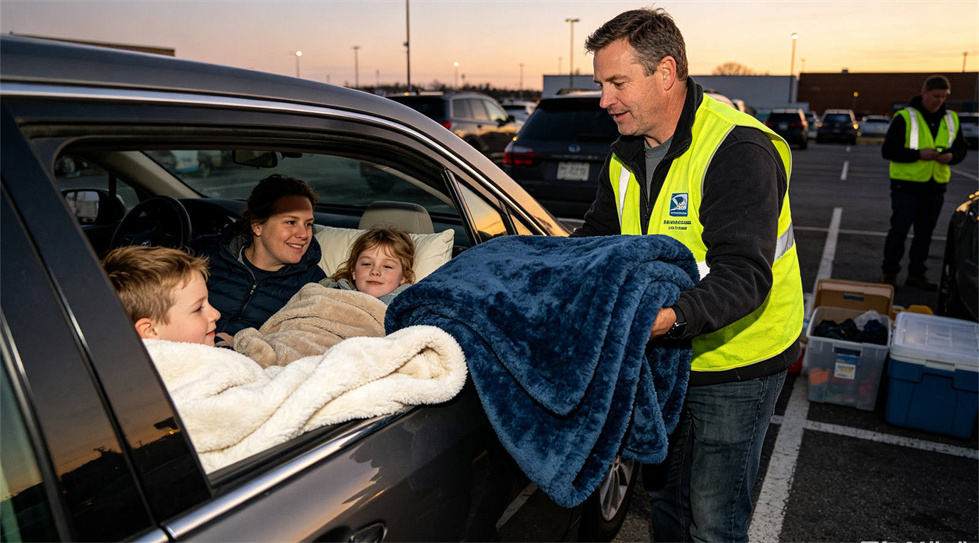
Prison blankets, correctional blankets and blankets for inmate housing describe a facility buying context, not a proven product spec. The institution should define material, construction, color, identification, care, packing and acceptance fields before the supplier confirms an offered configuration.
1. First decide how they are issued, returned and replaced
Correctional blankets move in a loop: central receiving, housing unit issue, use, return for laundry, inspection, and either back to stock or replacement. Each step needs clear identification. A color name alone cannot control this loop.
Before you ask for a price, tell us: facility type, who issues and collects, how damaged blankets are handled, how many units or wings, and whether different units get different colors. This decides packing, labels and carton marks.
2. Treat safety as a spec, not an assumption
Correctional blankets must have no metal zippers, snaps, buttons or hard trims. Labels are sewn in with thread only. Edges are double-stitched with no loose threads over 0.5cm that could be pulled out. There are no removable parts that could become tools.
Write these into the spec and check them on every batch. Do not assume "institutional" means "correctional-safe"—they are not the same.
3. Control colors as separate versions, not just names
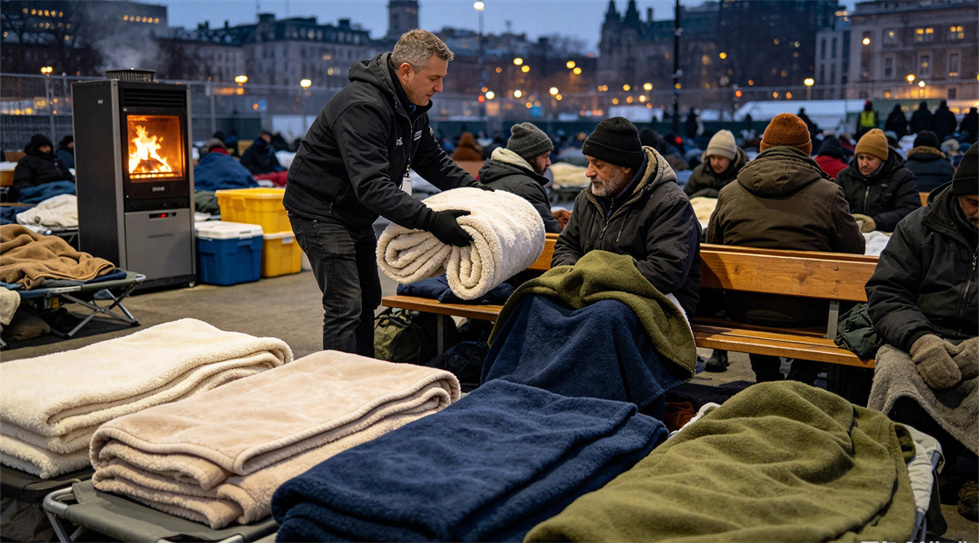
Gray, dark gray and dark blue may look close in photos. Each color needs its own sealed sample, sample code, edge detail and reorder record. If different wings get different colors, map quantity and carton marks by destination before production.
This stops the right total quantity arriving but the wrong color going to the wrong unit.
4. Keep what the supplier controls separate from facility rules
We control material, size, weight, edges, labels, packing, carton marks and batch records. Who issues, who returns, who approves replacement and how restricted items are managed is your facility's operating procedure.
We support your rules with clear labels, packing by unit and batch traceability. We do not claim official endorsement or a generic "prison-grade" standard—your facility names the required standard, and we map the product to it.
For prison blanket procurement, start with facility type, buyer role, quantity range, issue method, replacement process, destination, receiving rules and document requirements. These inputs decide which product and packing records must stay consistent.

|
Buyer role |
Primary decision |
RFQ input |
|
Facility procurement team |
Product identity, issue rules, replacement controls, and approval responsibility. |
Facility type, quantity range, required color version, specification, and receiving criteria. |
|
Government or project contractor |
How the facility requirement flows through quote, sample confirmation, packing and handover. |
Written project scope, artwork rights, inspection points, document list and delivery location. |
|
Institutional distributor |
How the approved version will be identified and repeated for follow-up orders. |
Product code, sample reference, color, label version, packing confirmed version and reorder record. |
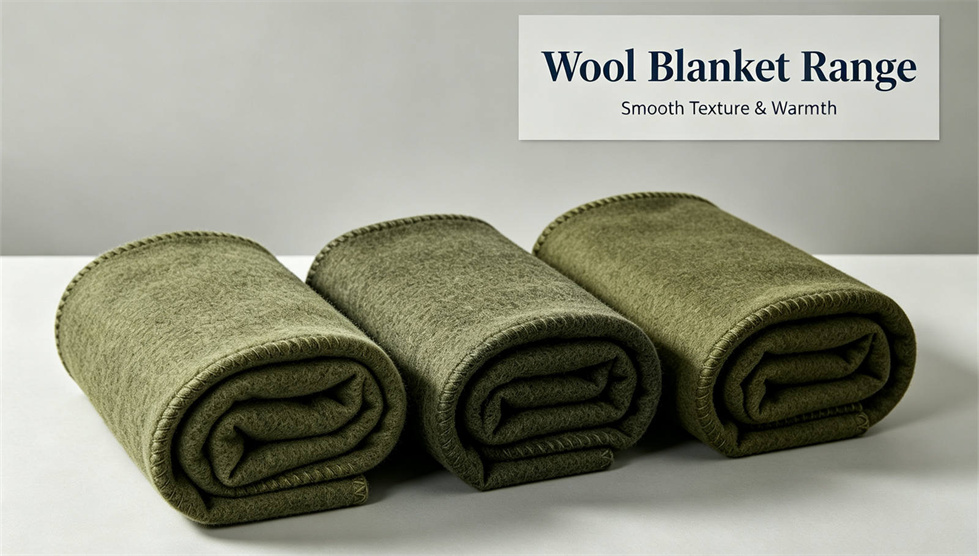
Correctional blanket color options should be approved by exact sample or color reference, not by a general color name. Where the RFQ calls for gray or dark gray, record the required shade and edge finish in the approved sample. For the dark blue direction, confirm the deep blue shade, stripe position, gray binding or overlock stitching, folded presentation, pile texture and hangtag position on the physical sample.
Review the visible dark blue product line on the institutional duty blanket page.
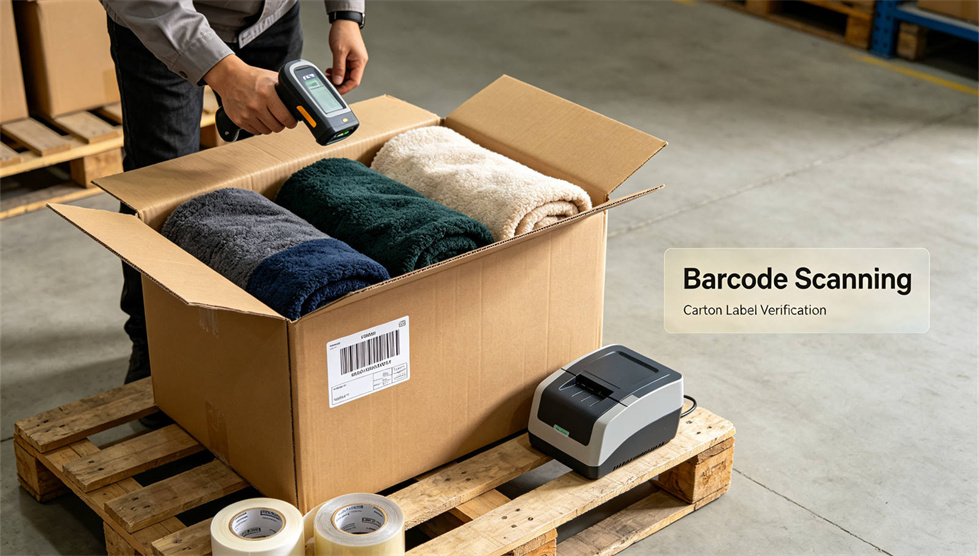
Institutional blanket repeat orders are more consistent when the purchase record identifies both the shared base spec and the color-specific details. A product nickname or old photo is not enough to control a reorder.
These are standard specs for correctional facility blankets. Higher or project-specific standards can be customized per requirement:
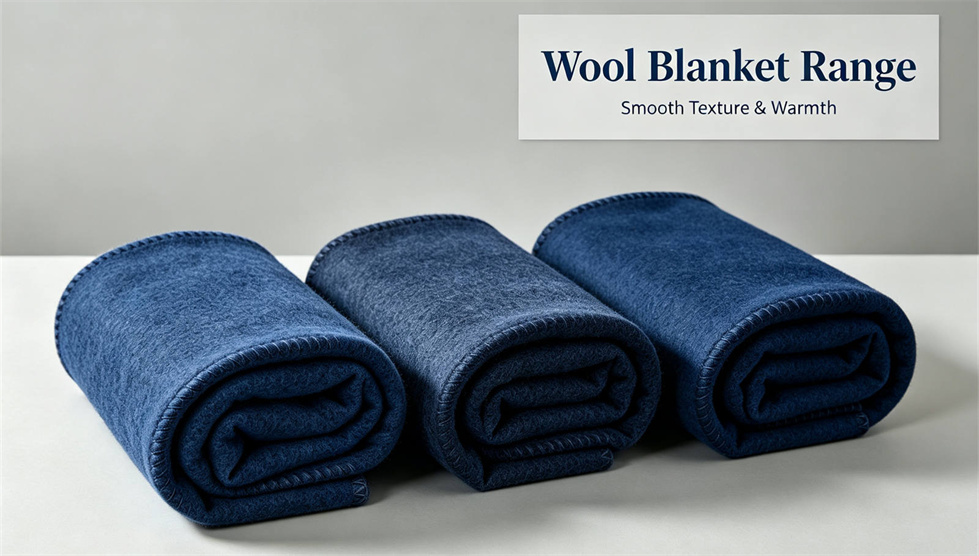
When different facility colors use the same base parameters, one correctional blanket specification can control the shared fields while a color-version appendix controls shade, stripe, edge, label and visual approval.
|
Shared base field |
Color-version field |
Approval method |
|
Product name and purchasing role |
Color-version code |
Quote, purchase document and approved sample register. |
|
Material wording and required document scope |
Exact shade and visible surface direction |
Written spec, material list, color reference and physical sample. |
|
Finished dimensions and weight or GSM field |
Stripe location, edge color, binding or overlock detail |
Sample measurement, visible comparison and inspection fields. |
|
Unit-packing and carton-data fields |
Label wording, language, barcode and approved artwork |
Packing instruction, label proof and buyer authorization. |
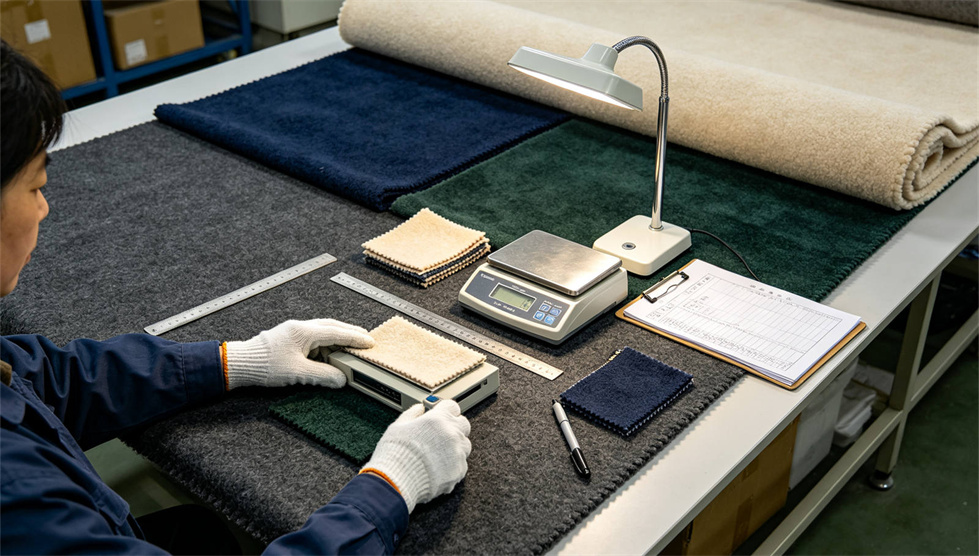
Use the institutional blanket sample confirmation review fields to keep the sample, spec, label, packing and inspection records aligned.
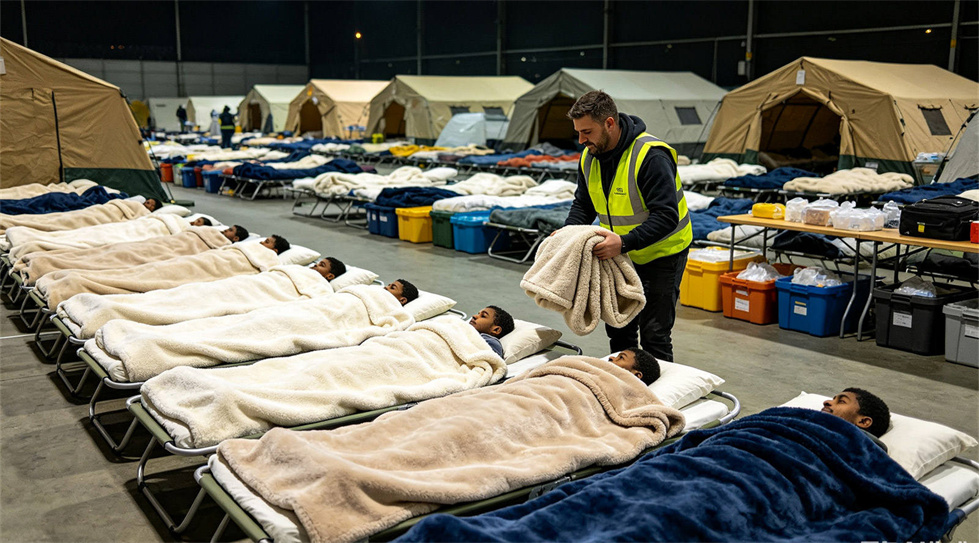
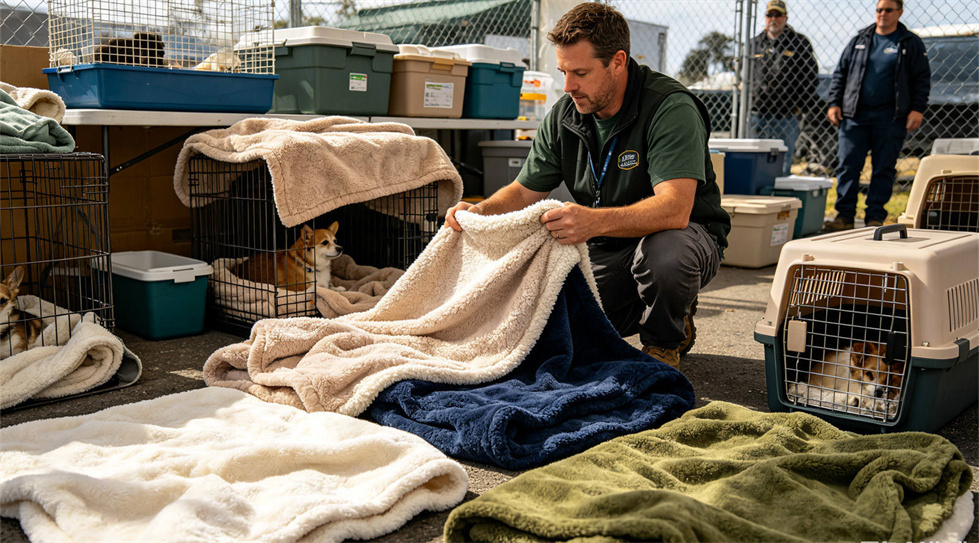
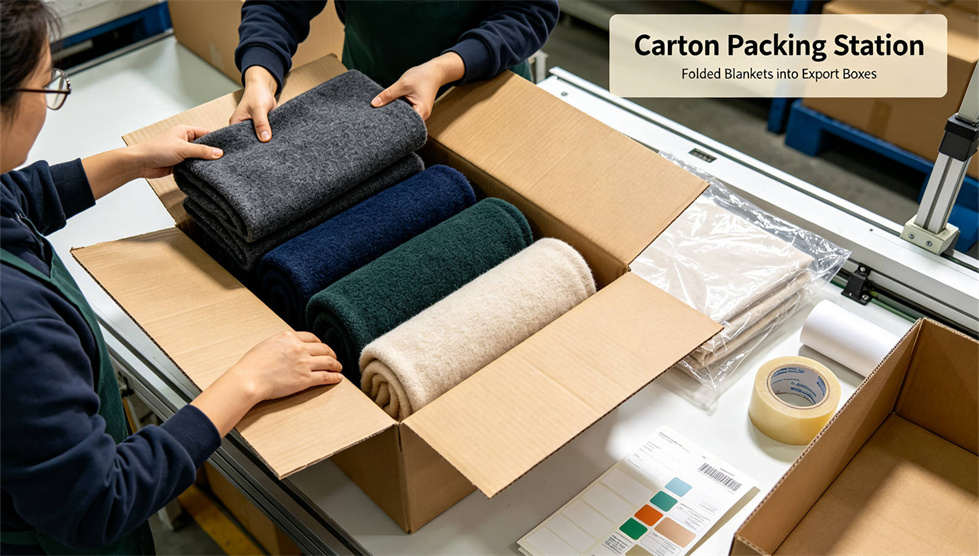
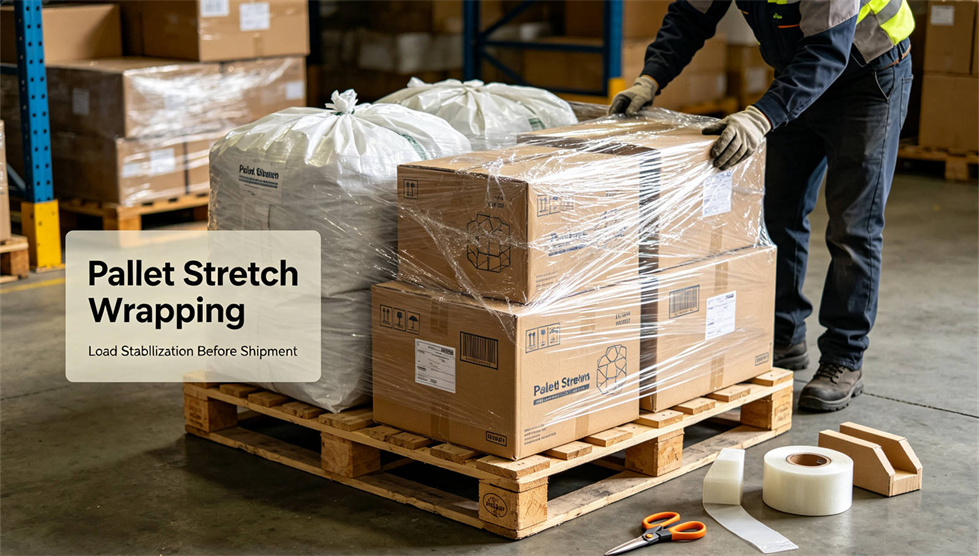
Institutional blanket packaging should support counting, batch identification, warehouse handling and receiving. The exact unit presentation and carton data should follow the selected product, quantity range and facility requirements.
For full facility fit-out, these items are often ordered with matching safety and wash standards:
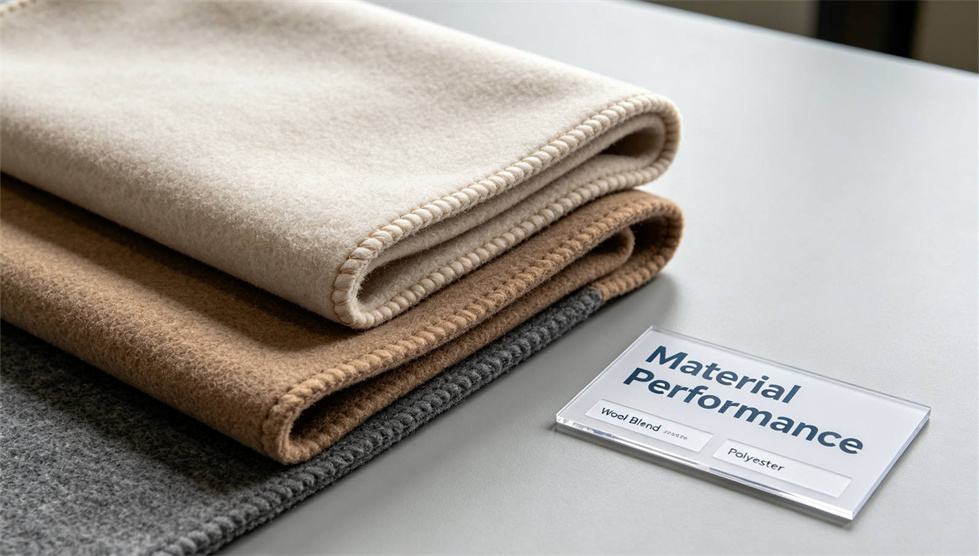
Some projects may ask about flame retardancy, wash performance, chemical exposure, static behavior, durability or other facility requirements. Do not assume these apply to every product. State the exact standard, test method, acceptance level, product version and required report in the RFQ, then verify the applicable document before approval.
Use the blanket test and document support process to align specification sheets, material statements, label proofs, packing records, inspection fields and project-required reports. General institutional buyers can also review the institutional blanket procurement solution.
Correctional procurement continues after receiving. The facility should decide how blankets are issued, identified, collected, inspected, sent for care, returned to stock and replaced. A color name or general institutional label cannot control this loop by itself.
Use an item code and approved color version to connect the blanket, unit label, carton and issue record. Define what staff inspect at return: visible damage, edge or seam change, unreadable identification, staining, dimensional change or another written trigger. The facility can then separate cleaning, repair review, withdrawal and replacement decisions instead of applying one response to every returned blanket.
For replenishment, compare usage and exception records with the retained product and packing confirmed version. This shows whether the next order should repeat the same configuration, change a facility field or split quantities by location. The supplier response should identify the current product option, changed fields, sample requirement, packing confirmed version and documents needed for the new order.
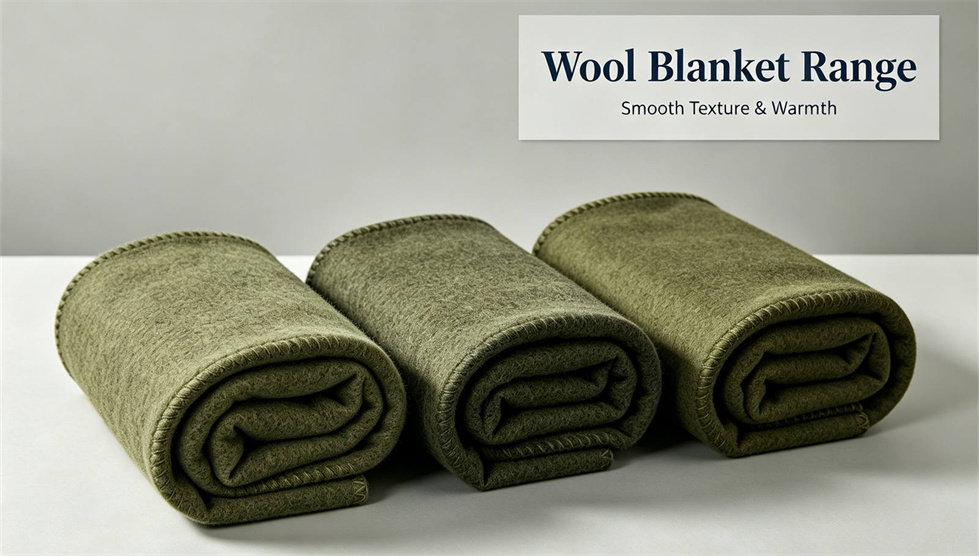
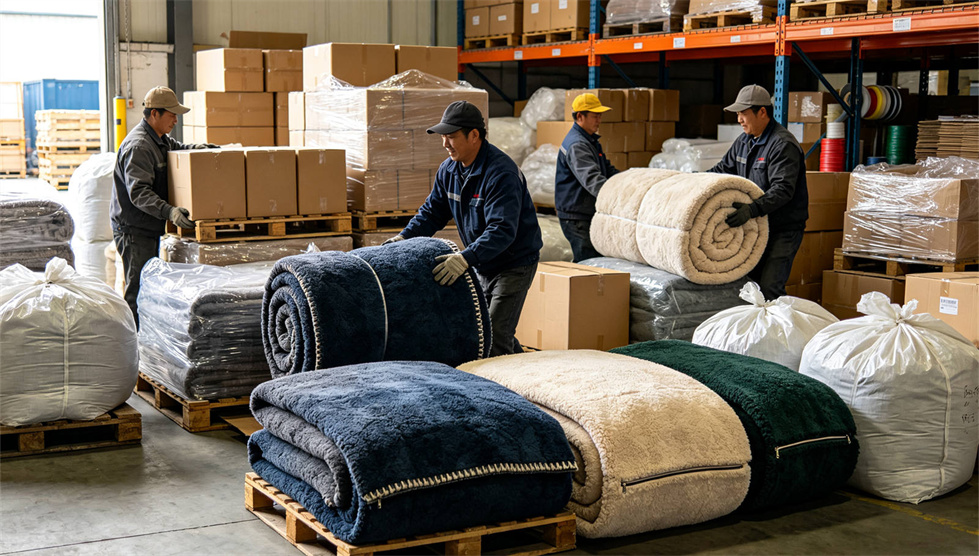
Segment allocation groups before final packing. A central warehouse, housing unit, temporary holding area and staff rest area may use different issue quantities or identification rules even when the base blanket spec is shared. Record each allocation group, quantity, color version, label language, unit presentation and receiving point before cartons are finalized.
Keep shared product fields and location-specific fields in separate parts of the order record. Material, dimensions, weight basis and construction may remain common; color code, authorized identification, carton text and quantity split may vary. This prevents a visible identifier from being mistaken for a different performance grade and allows later replenishment to target the correct location without creating a duplicate product page.
A later quantity change should reopen carton count, outer-carton identification and destination allocation. Otherwise, a correct blanket spec can still arrive in the wrong distribution split, creating receiving work and delaying issue.
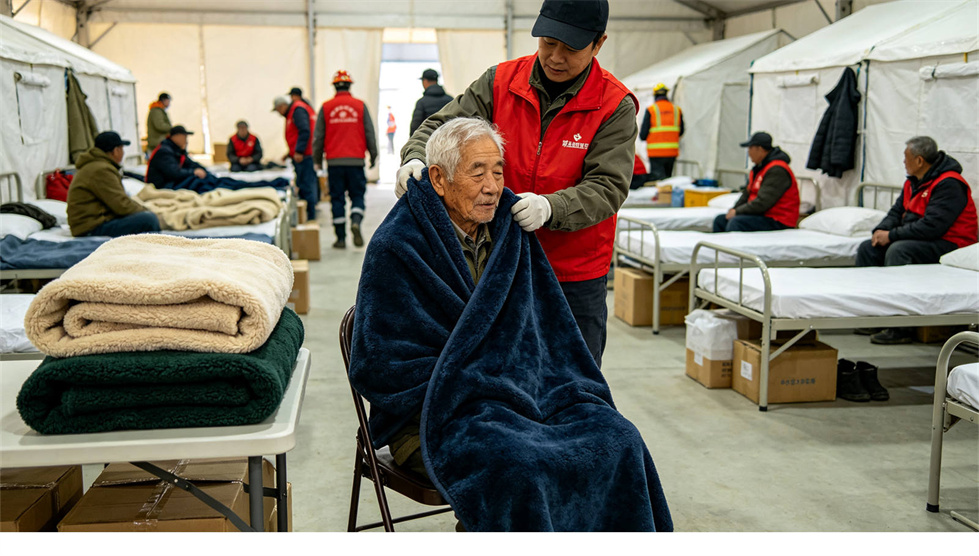
No generic grade is claimed. The facility must name the required material, construction, test, standard or acceptance method, and the supplier must map the exact offered configuration to those fields. Institutional appearance or a correctional scenario label should be checked separately from approval, performance or compliance.
They can share confirmed material, dimensions, weight basis and construction when the buyer approves those fields. Each color still needs its own shade reference, sample code, visible-detail record, label version and packing confirmed version. A color substitution should not be accepted under a general name alone.
No. Photographs support visible review of color, stripe, edge, surface and label position. Confirm composition, GSM, finished dimensions and test status through the applicable spec, measured sample, label and required records. Keep the checked documents linked to the offered product confirmed version.
Describe the operational concern, relevant edge, seam or component, inspection method and acceptance level. If snag resistance, flame behavior or another performance is mandatory, name the test and required result. Do not infer those properties from material percentage, color or a general institutional description.
Connect the item code and color version to issue records. At return, inspect the written damage, identification and care triggers, then separate cleaning, repair review, withdrawal and replacement decisions. Use those records to plan replenishment rather than replacing every returned blanket under one rule.
Only after the buyer confirms authorization, artwork, wording, language, placement and right to use. State whether the mark goes on the blanket, unit package, carton or order records. Keep each approved artwork version connected to the applicable product, color and allocation group.
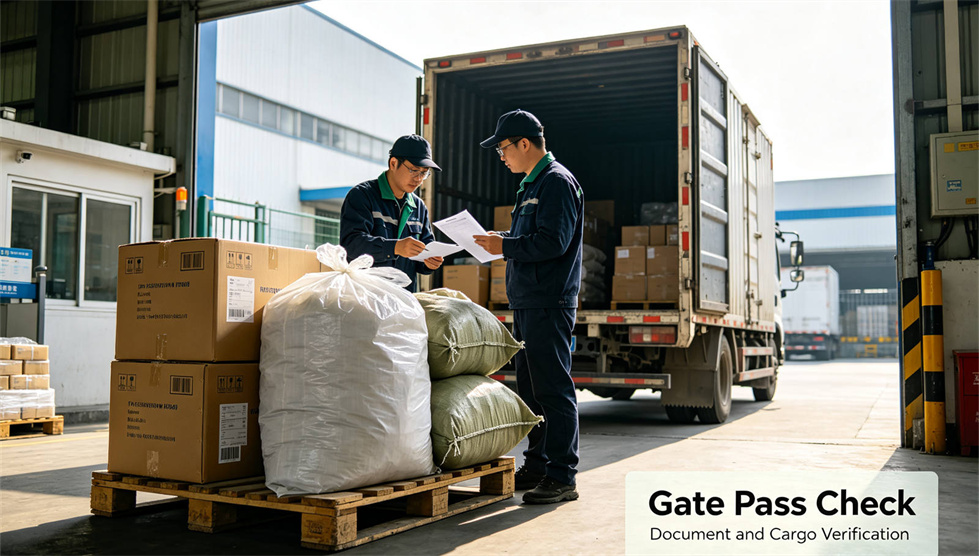
Verify carton identity and count first, then compare sampled blankets with the approved spec and sample. Record color, construction, dimensions, weight basis, labels and packing as separate fields. Segregate affected units and document the agreed disposition when a measurable or visible deviation appears.

What information is equired for a correctional facility quote?
Provide facility type, buyer role, quantity by location, destination, color version, material and construction requirements, size, weight basis, care process, issue method, labels, packing, required tests, receiving rules and target window. Identify which fields repeat and which require a new sample.
No. Our correctional blankets use no metal zippers, snaps, buttons or hard trims. Labels are sewn in with thread only. Every batch is 100% checked for metal and removable parts before shipment.
Standard correctional blankets withstand industrial washing at up to 90°C and disinfection cycles. Polyester options can handle 100+ washes; poly-cotton blends 50+ washes under normal institutional use. Exact wash life depends on wash chemistry and process.
Yes. Flame retardant options can be made to CAL 117 or NFPA 702 class per project requirement. Name the required standard in the RFQ; the corresponding test report is available at buyer cost.
All edges are double-needle stitched. After production, each blanket is trimmed so no loose thread exceeds 0.5cm. This is part of the 100% pre-shipment check, since long threads are a safety concern in correctional settings.
Yes. Tell us the allocation by unit, wing or destination before cartons are finalized. We pack and mark cartons separately for each group, with its own packing list, so receiving can distribute without re-sorting.
Under normal institutional use and proper industrial washing, expected service life is 3-5 years. Blankets with tears over 5cm, failed edges, permanent contamination or unreadable labels should be condemned and replaced per facility rules.
Request a correctional blanket quote
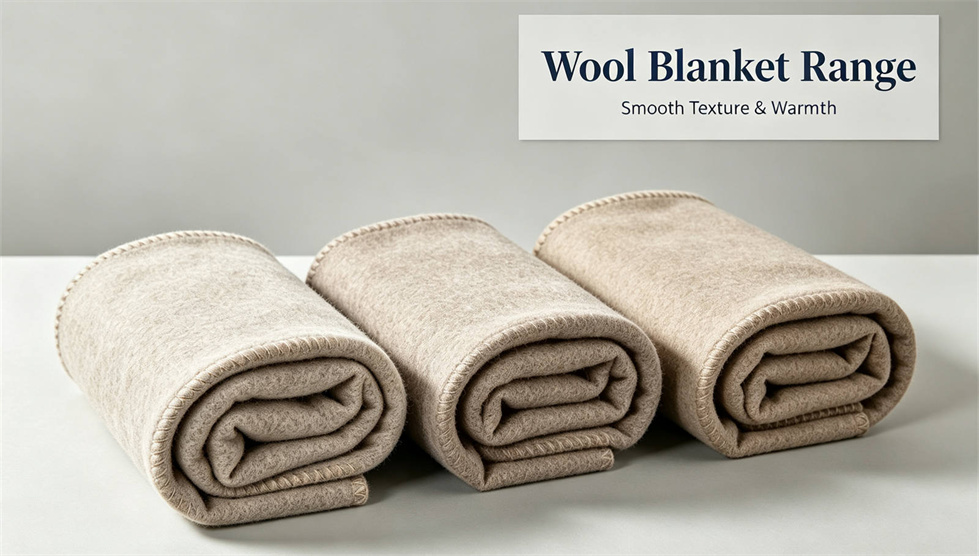
Continue with the blanket overview, matched product detail and related procurement article.
 |
 |
|
Send project requirements for a matched blanket quotation. |
Review the blanket product range and prepare a shortlist for your procurement project. |
YRF | 20 Years Emergency Relief Manufacturer
Freundliche Links :
Urheberrechte © © Custom Disaster - Relief Bedding: Tents, Sleeping Bags, Blankets Alle Rechte vorbehalten
das professionelle Team zum Service !