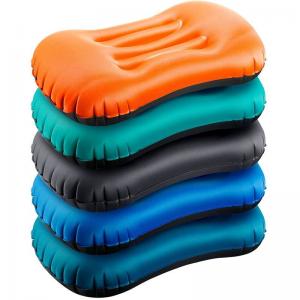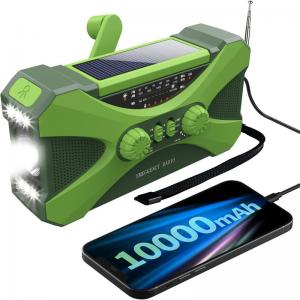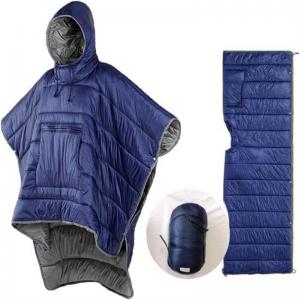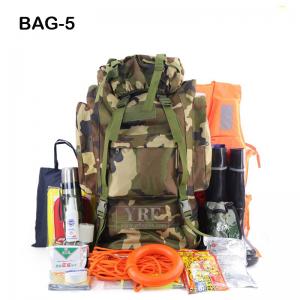
When floods strike, seconds count. That's why we've developed a range of flood disaster relief products designed to keep you and your loved ones safe. From emergency flood barriers to waterproof clothing and portable pumps, our products are designed to help you navigate the floodwaters with ease. Whether you're at home or on the road, our flood disaster relief products are here to ensure your safety. Shop now and be prepared for any flood emergency!

Insgesamt 1 Seiten
Flood-relief procurement may combine water exclusion, reaching a casualty, surface flotation and protection from rain or shallow-water exposure, but these products do not share one specification or acceptance method. Government buyers, humanitarian programmes, wholesalers and distributors should start with the rescue action, select among life jackets, lifebuoys, throw bags, flood sandbags and flood rain boots, then confirm wearer or site, deployment, packing, acceptance and replenishment responsibilities for each group.
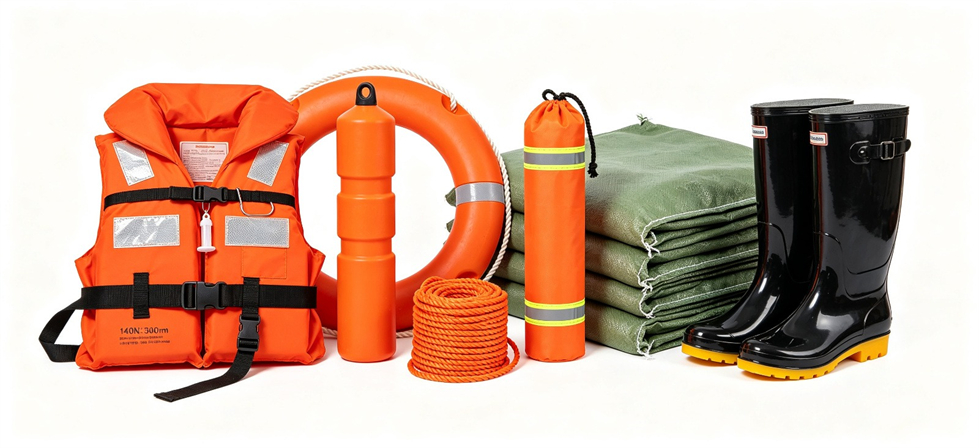
Rescue boats, propulsion equipment, drainage pumps and underwater detection perform different system tasks. When a project requires them, establish separate product, configuration, operation, maintenance and acceptance schedules instead of inheriting performance or document conclusions from life jackets, lifebuoys, throw bags, sandbags or rain boots.
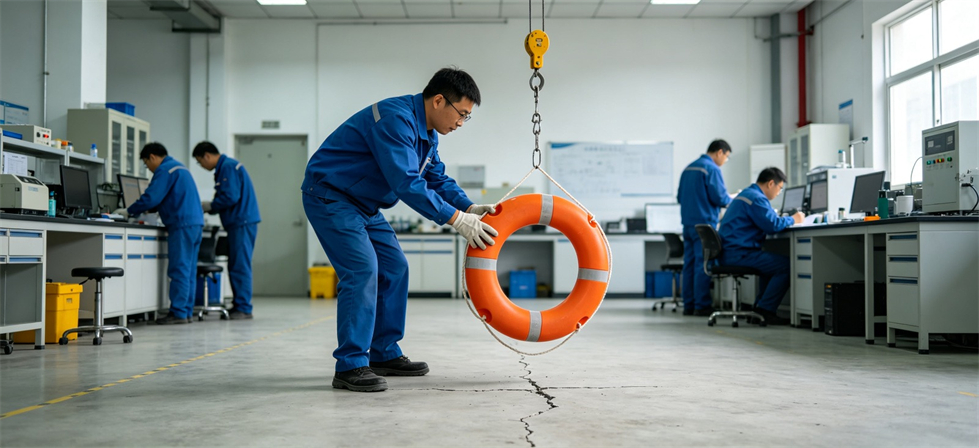
This route covers wearable flotation, bank-side throwing and equipment used to reach people in water. Allocate life jackets, lifebuoys and throwing equipment by who uses them, where they are placed, how they are accessed and how they return to readiness, then confirm size, components, operation and acceptance within each group.
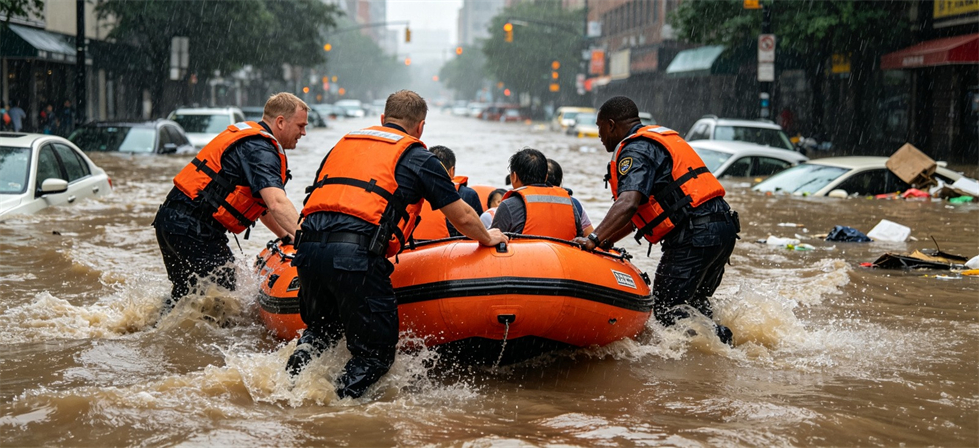
This route covers temporary water exclusion, site reinforcement and other verified flood-control tasks. Define work locations, planned placement, fill or associated site conditions, labour, tools and strike responsibility before entering the sandbag or other verified product group.
Rainwear and rain boots protect personnel from rain or wet ground. They do not share specifications with flotation equipment or flood-control tools. A combined RFQ is possible, but each route retains separate quantities, samples, packing and acceptance results.
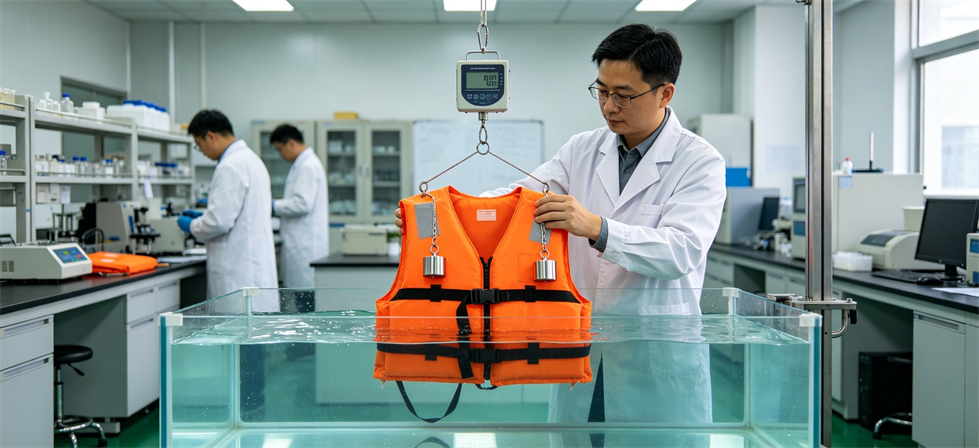
Use this route when personnel need wearable flotation. Selection starts with the wearer, water task, clothing layers, size or adjustment, closure, accessories and issue management. Any buoyancy value or certification must remain tied to the selected product and applicable report.
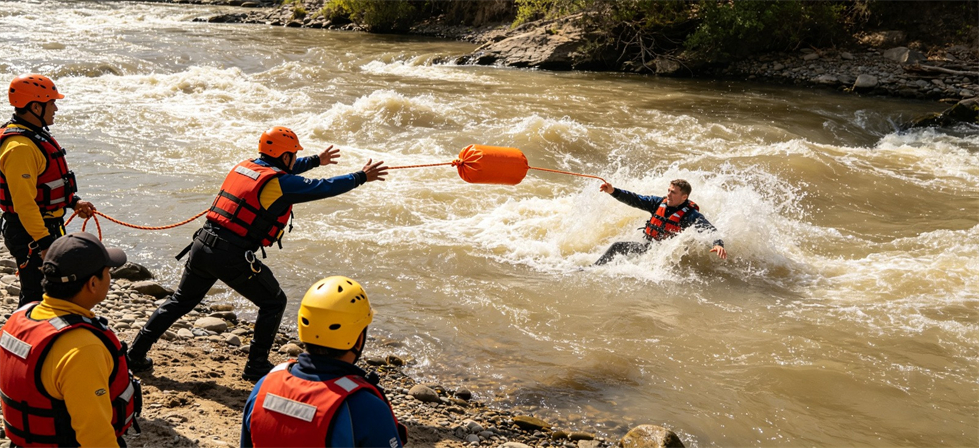
Compare Water-Rescue Life Jackets
Use this route for throwable flotation positioned at banks, facilities or vehicles. Confirm placement, expected throwing method, line or bracket responsibility, identification, inspection and replenishment. A lifebuoy is not a substitute for a wearable life jacket.
Compare Water-Rescue Lifebuoys
Use this route when a bank or shallow-water rescuer throws and retrieves a bagged line. Confirm the bag, line, opening, grip, recovery and repacking method, together with user training and deployment location. Do not place title-based length or material claims into the project without verification.
View the water-rescue throw bag
Use this route when empty bags will be filled and arranged for temporary water exclusion or reinforcement. The procurement plan should include empty-bag quantity, fill source, filling organisation, closure, handling, placement, reserve quantity and post-use disposal.

Compare Flood-Control Sandbags
Use this route for foot isolation in rain, mud and shallow-water environments. Confirm foot length and width, sock layers, boot-shaft and trouser interface, size allocation, paired packing, cleaning, drying and contamination isolation. Appearance does not prove slip, puncture or another protection rating.
Work back from each site instead of setting one total budget quantity and dividing it evenly. For every bank section, vehicle, warehouse, shelter or team, list the main task, personnel, access area, assigned product, reserve and responsible custodian. This shows whether a lifebuoy belongs at a bank or on a vehicle, who operates throwing equipment, which personnel receive life jackets, and where sandbags will be filled.

Quantity has at least four parts: fixed site allocation, personal issue, training or exercise use, and loss or transfer reserve. Packing may differ between them. Fixed items need location identification, wearer supplies need size or receiving-unit groups, and reserve stock needs separate status marking so all inventory is not mistaken for immediately issuable stock.
|
Product Group |
Primary Responsibility |
Inputs Before Quotation |
Receiving Focus |
|
Life jackets |
Wearer fitting and allocation |
Wearer, sizing/adjustment, task and accessories |
Identity, size, closure, accessories and quantity |
|
Lifebuoys |
Site placement and throwing |
Location, bracket, line and marking |
Main item, components, label and packing |
|
Throw bags |
Throwing, retrieval and repacking |
Operator, grip, line and training |
Bag, line, opening and components |
|
Sandbags |
Filling, handling and temporary placement |
Empty quantity, fill, closure and site labour |
Bag, closure, visible size, count and packing |
|
Rain boots |
Wearer foot isolation and issue |
Foot data, socks, size ratio and trousers |
Size, left/right pair, shaft and paired packing |
Sandbags, lifebuoys and throw bags are normally allocated by site, vehicle, bank section or team, while life jackets and rain boots are allocated by wearer and size. A single total quantity does not show where the stock goes, who controls it or when it needs replenishment. List destinations and responsible teams first, then calculate the quantity for each product group.
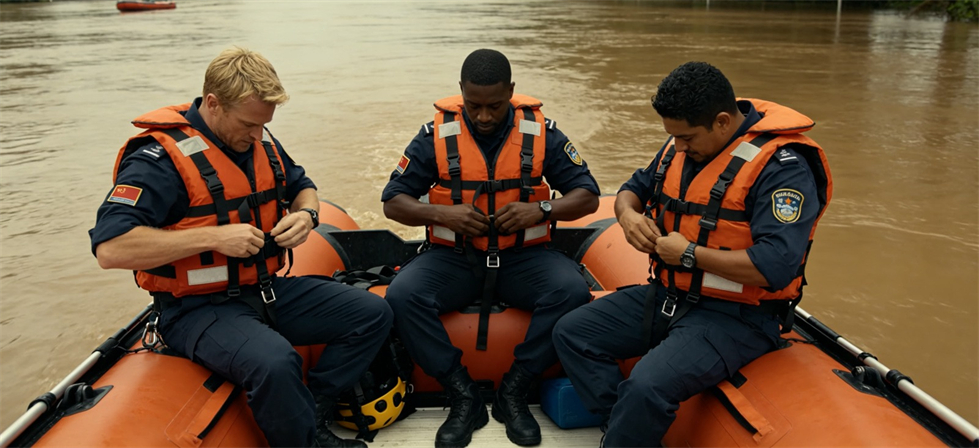
Deployment supplies need a location, associated components, inspection frequency and access method. Wearer supplies need a wearer or size distribution, label and issue route. Multi-destination projects should use separate packing schedules so warehouses do not open and rebuild every carton.
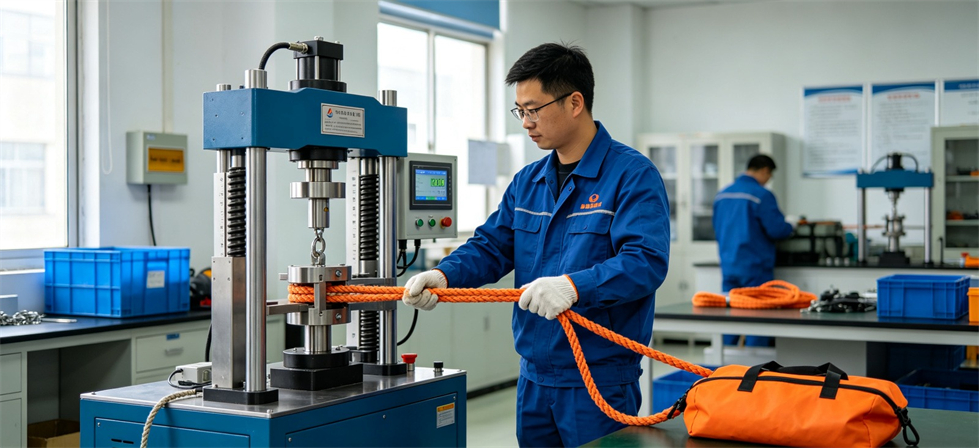
State the wearer type, expected clothing layers, required tools or communication accessories, and size or adjustment needs. A sample fitting should review donning, closure, shoulder and torso movement, crouching, turning and interference with other worn equipment. Where buoyancy, material or compliance requirements apply, identify the exact test item and applicable document first.
Bulk issue should not depend on colour alone. Each item and package should identify the product, size or adjustment, project or team, and necessary labels. After use, inspect contamination, damage, closures and accessories, then follow product instructions for cleaning, drying, return to store or retirement.
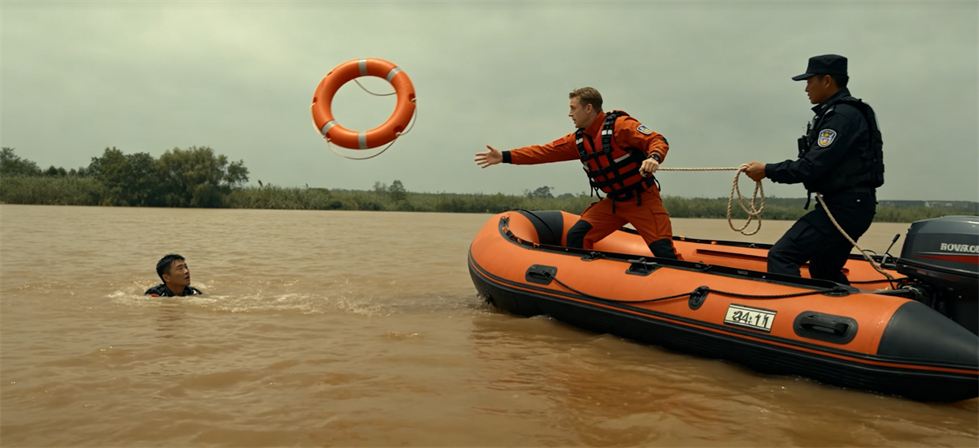
Lifebuoys and throw bags are both thrown, but their operation and recovery differ. Confirm who uses them, where they are stored, whether a line or bracket is included, whether operation is possible with gloves, and how each item is retrieved, the line is coiled, and the equipment is repacked and returned to readiness. Without ownership for training and repacking, equipment may not be ready after one use.
A sample exercise in a safe environment can record grip, opening, throwing, retrieval and repacking, but one demonstration is not a distance or performance guarantee. Any measured result needs the sample, conditions and method. Bulk receiving should focus on the main item, line, associated parts, label, quantity and packing against the approved sample.
Empty flood bags still require fill material, tools, labour, closure, handling and placement space at destination. State the intended use, empty-bag quantity, fill source, closure direction, packing and destination in the RFQ. Sandbag supply does not include flood-engineering design; placement geometry, structural stability and the exact arrangement remain project and site decisions.
At receiving, sample the visible dimensions, bag, closure, quantity and packing against the approved item. Protect stored bags from moisture, contamination and package damage, and inspect whether they remain suitable for filling. Post-use recovery, cleaning or disposal of bags and fill should follow destination rules and the project plan.
Select flood rain boots from foot length, width, socks and any insole, then approve a size distribution through sample fitting. Review boot-shaft and trouser overlap, heel movement, toe space, crouching flex and walking feel on an agreed safe surface. A title or image cannot prove slip, puncture, chemical or all-water-task protection.
At receiving, check size, left-right pairing, colour, visible construction and paired packing. After use, remove external contamination, dry the inside by the applicable method, and isolate products affected by contamination, cracking or structural abnormality. Recheck size conversion and product version for replenishment so new and earlier batches remain issuable.
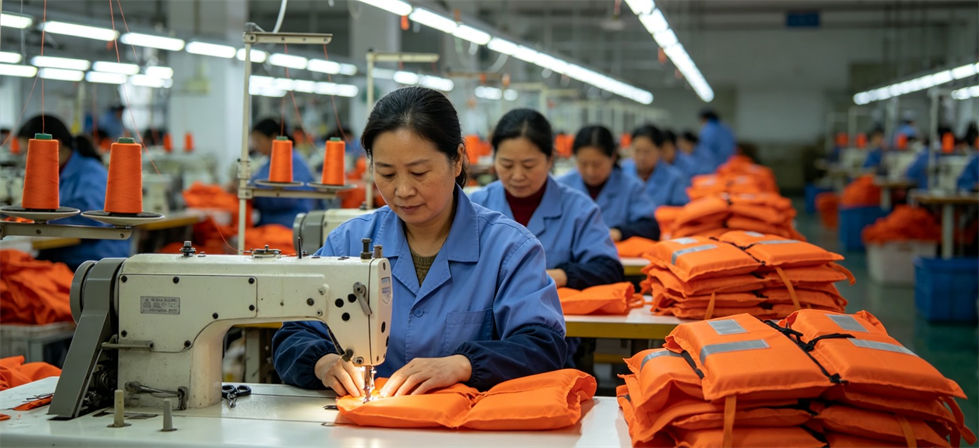
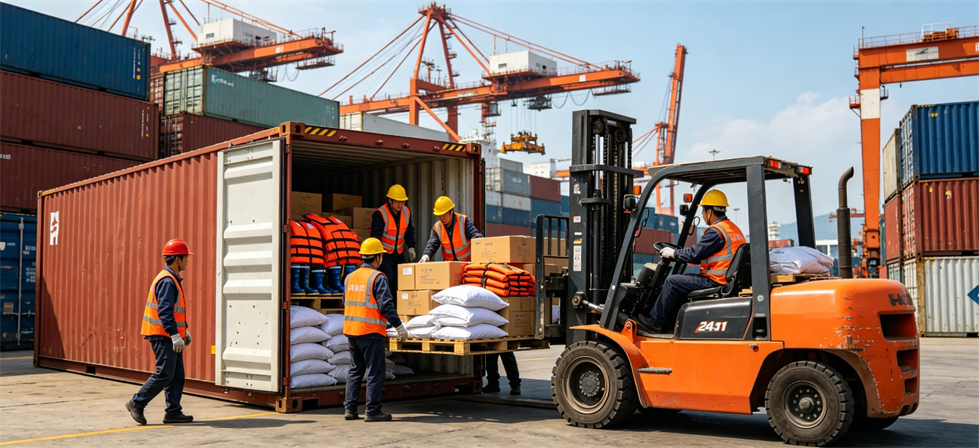
Each group needs its own packing unit and label fields: life jackets by item and size, lifebuoys by main item and accessories, throw bags by complete components, sandbags by empty-bag count, and rain boots by pair and size. External cartons should identify the product, quantity, destination and carton number; multilingual or multi-project labels should be approved with the sample.
Receiving records should assign a difference to a specific group, carton, quantity and photograph rather than reporting only that “flood supplies have a problem.” Replenishment should use actual issue, loss and stock condition, then reconfirm dynamic price, schedule, packing and documents. One fixed replenishment cycle cannot govern all five groups.
Stock quantity on a record does not prove that stored flood supplies remain field-ready. Before the flood season, inspect each site and group for external identification, access, complete main items and accessories, working wearable or operating parts, and traceable labels and packing records. Recheck size allocation for life jackets and boots, associated parts for lifebuoys and throw bags, and both package condition and fill planning for sandbags.

After training or issue, separate used, cleaning, inspection, damaged and return-ready stock. Update carton, quantity, size or component records when supplies move to another site so the system does not show them at the original location. Reorder against the actual gap instead of mechanically repeating the previous purchase.
Supplier documents can cover the agreed product, label, packing and shipment records, while storage location, routine inspection, training and field deployment remain under the buyer’s operating system. Keeping delivery and operational ownership separate makes the stock more usable during a flood response.

Do not replace these chains with one statement that all flood supplies passed. Separate records assign missing parts, size errors, operating difficulty or carton mismatch to a product and carton before the project closes.
There is no universal category price, MOQ or lead time. YRF quotes against the products, configurations, quantities, size distributions, customisation, packing and current schedule. Standard and customised orders use T/T, normally with a 50% deposit and the balance paid before shipment. Sample charges are usually USD 30–50; the buyer prepays the sample charge and freight, and the charge is non-refundable. It may be credited as stated in the quotation when one order reaches 1,000 units or USD 50,000. Normal sample preparation is about 5–15 days, subject to product and customization.
They can share an RFQ, but use, quantity, configuration, packing and acceptance remain separate by group.
No. One is wearer equipment; the other is normally site-positioned throwable flotation.
Confirm bag, line, grip, opening, parts, deployment location, training and repacking responsibility.
Filling, fill material, closure, handling and placement affect quantity and execution beyond the empty bag.
Not recommended. Provide the sizing system, foot data, sock layers and pair count by size.
No. Match the exact product, test item, method and applicable report first.
No. Sample charges are usually USD 30–50. The buyer prepays the sample charge and freight, and the charge is non-refundable. It may be credited under the order condition stated in the quotation. Timing depends on the product and customization.
Buyer-nominated arrangements are accepted at buyer cost, with scope and acceptance agreed first.
Yes, subject to review. Provide product, quantity, size, label and language by destination early.
Submit each group, quantity, wearer or site, configuration, packing, destination and document needs.
Products are calculated by wearer, size, site, vehicle, bank section or filling location. One total cannot produce a reliable carton, issue and replenishment plan.
Do not assume so. Every performance or compliance requirement should identify the product, configuration, method, sample and applicable document.
Separate used, cleaning, inspection, missing-part, damaged and return-ready stock. Follow the product information, contract and destination requirements for cleaning, repair, retirement or disposal.
Reconfirm current sites, wearers, sizes, actual loss, components, labels, packing and document needs so the old configuration does not replace the current gap.
Send the flood task, wearers or sites, product quantities, sizes, associated components, destinations and acceptance requirements together.


Urheberrechte © © Custom Disaster - Relief Bedding: Tents, Sleeping Bags, Blankets Alle Rechte vorbehalten
das professionelle Team zum Service !