For a broader overview of how emergency relief blankets fit within the emergency supply system, readers may refer to the companion article on this site, Complete Guide to Complete Guide to Emergency Relief Blankets | Post-Disaster Resettlement · Government Stockpiling · NGO Aid (2026), which provides the foundational knowledge needed before diving into selection details.
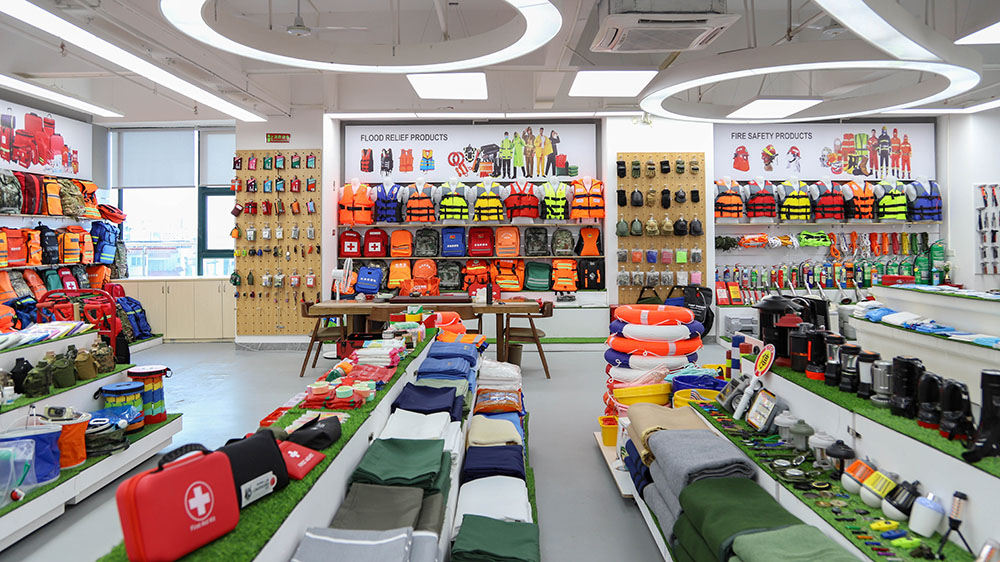
I. What Are the Main Types of Emergency Relief Blankets? What Happens If You Choose the Wrong One?
Understanding the differences between types is the first step toward avoiding the costly mistake of buying the wrong product.
Aluminized emergency blankets (mylar blankets) are among the most frequently used sub-categories in international NGO and government procurement. A single sheet typically weighs no more than 50 grams and folds to a very compact size. Their reflective insulation principle prevents body heat loss, making them particularly suited to the rapid distribution phase immediately following a disaster. The key characteristic is single-use design — low cost and fast deployment — but they are not a substitute for medium-to-long-term resettlement solutions. Confusing single-use emergency foil blankets with reusable resettlement blankets leads to severely miscalculated quantities and budgets that quickly spiral out of control.
Cotton and polyester-blend disaster relief blankets are the primary type used at resettlement sites and temporary shelters over longer durations. They support repeated washing and unified disinfection, making them a standard choice in government tendered emergency blankets and large-scale resettlement camps. By material and function, these can be divided into:
(1)Thermal emergency relief blankets (high-gsm cotton or blended): suitable for cold-climate winter resettlement, with warmth rating as the primary consideration;
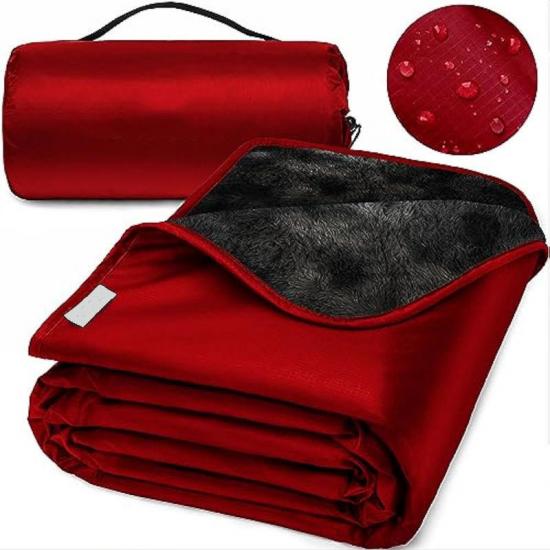
(2)Waterproof and moisture-resistant relief blankets (TPU composite or water-repellent coated): suited to coastal high-humidity environments and post-flood disaster settings, where anti-mold performance is the core requirement;
(3)Multi-layer composite blankets: inner thermal layer with an outer waterproof shell, providing well-rounded performance in extreme climates — frequently found in high-specification international humanitarian aid blanket configurations.
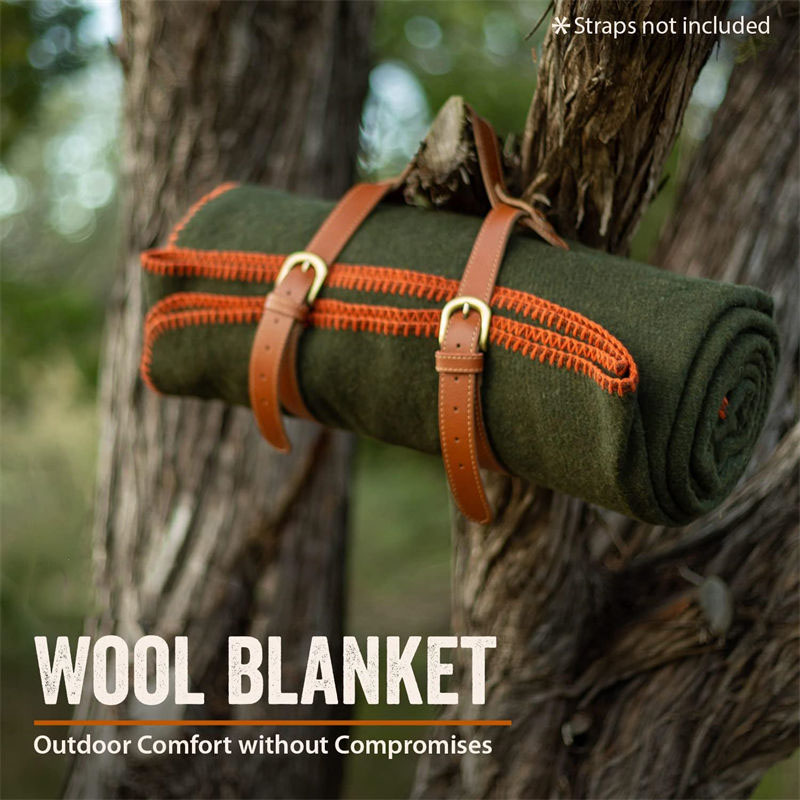
Wool and cashmere relief blankets: made from selected wool and premium cashmere using specialized carding processes and bidirectional knitting techniques, achieving a good balance between warmth and breathability. Extended use produces minimal stuffiness. These blankets tend to carry higher gram weights and higher unit costs, and are better suited to projects prioritizing quality of resettlement over extended periods, or to dedicated distribution programs for vulnerable groups such as the elderly, children, and injured persons.
Choosing the wrong type carries direct consequences. Ordinary cotton blankets without anti-mold and antibacterial treatment stored in humid conditions for more than three months will almost certainly develop mold — becoming unusable and failing sanitation acceptance. Heavy-weight thermal blankets distributed in tropical resettlement settings waste budget and reduce user comfort.
II. Different Procurement Roles — What Does Each Party Care About Most?
The same batch of emergency relief blankets looks very different depending on who is doing the buying.
Government emergency and disaster preparedness departments are primarily concerned with whether the product meets national or industry emergency supply standards, whether quality inspection reports are complete, whether it will pass project acceptance, and whether long-term stockpile emergency blankets are convenient for rotation management.
NGOs and international aid organizations focus more on cost-effectiveness, delivery reliability, whether labels and instructions are available in multiple languages, and whether the product meets the compliance requirements of international humanitarian aid projects.
Foreign trade distributors and systems integrators typically prioritize sustained supply capacity, the breadth of one-stop procurement options, and whether custom branding and neutral packaging are supported.
Identifying your role early helps you quickly locate the most relevant information in the sections that follow.
III. Core Selection Criteria: What Gram Weight Makes an Emergency Relief Blanket "Qualified"?
Gram weight is the core parameter for measuring emergency blanket insulation performance, but "qualified" is not a fixed number — it is determined jointly by the use scenario and climate conditions:
Tropical and subtropical resettlement sites primarily need anti-mold and moisture resistance rather than extreme warmth; a moderate gram weight is sufficient;
Temperate-zone winter resettlement demands that insufficient gram weight directly compromises nighttime thermal performance;
High-altitude or sub-Arctic conditions carry significantly higher gram weight requirements, and moisture-barrier underlayers should also be considered.
It is advisable to include a gram weight requirement range in tender technical specifications based on the destination climate, and to require suppliers to provide corresponding warmth retention test reports rather than simply writing "high gram weight."
How Do You Verify Anti-Mold and Waterproof Performance? Supplier Claims Alone Are Not Enough
Anti-mold and antibacterial treatment is a mandatory inspection item for long-term stockpile emergency blankets. Antibacterial agents must deeply penetrate fibers to ensure long-lasting performance rather than surface-level application only. Suppliers should be required to specify the type of antibacterial agent used and provide anti-mold and antibacterial test reports. The agents must not contain chemicals harmful to humans; projects distributing blankets to children and the elderly must also confirm compliance with OEKO-TEX standards for harmful substances in textiles.
For waterproof and moisture-resistant relief blankets, TPU composite versions should require hydrostatic pressure test data; ordinary polyester versions should at minimum state the water-repellent treatment grade and effective service life.
What Other Manufacturing and Structural Details Should Be Checked?
(1)Edge stitching and locking: whether edge treatment is sturdy and resistant to unraveling under repeated folding and handling;
(3)Tear resistance: under mass-distribution and frequent-handling conditions, insufficient fabric strength leads to large-scale damage;
(4)Compressed pack volume: the compression ratio of compression-packed relief blankets directly affects warehouse space utilization and transport costs. Vacuum compression can meaningfully reduce volume; specific ratios vary by material and specification — actual measured data should be requested from suppliers and confirmed in the contract before purchase.
IV. Specification Selection and the Five-Step Procurement Process
Specification Selection: Decide by Scenario, Not by Price
(1)Standard single-person dimensions generally suit adult single use and facilitate uniform packing and distribution; extended or double-person sizes suit family sharing and can reduce total units distributed;
(2)Standardized, easily identifiable colors such as orange or blue are recommended, with batch information marked clearly on labels;
(3)For international humanitarian aid blanket projects covering multiple climate zones, it is advisable to split the order into "standard grade (temperate regions)" and "enhanced thermal grade (cold regions)" to avoid the waste or coverage gaps that result from applying one specification globally.
Five-Step Procurement Process
Step One: Prepare a Requirements Brief
Include resettlement population size and composition (proportions of adults, children, elderly, and injured), use duration (short-term temporary versus medium-to-long-term resettlement), destination climate (temperature range, humidity level), budget ceiling, and project acceptance requirements. Aim to keep this to one page as the basis for subsequent inquiries.
Step Two: Draft a Technical Specification Sheet
Include material type, gram weight requirement range, dimensions and allowable tolerances, anti-mold and antibacterial treatment requirements, color fastness standards, label language and content, and packaging method (individual packaging, vacuum compression, or pallet packing). The more specific the specification sheet, the lower the risk of disputes later.
Step Three: Screen Candidate Suppliers
Key checks: whether the supplier holds ISO quality management system certification; whether they have supply experience in comparable scenarios; whether production capacity covers the current order volume; whether one-stop procurement and export services are supported. Prioritize Chinese emergency relief blanket suppliers that hold both ISO-certified relief blanket qualifications and OEKO-TEX textile safety certification.
Step Four: Sample Confirmation and Sealing
Request physical samples from each candidate supplier and check each item against the technical specification sheet. Seal representative samples as the reference standard for bulk-batch acceptance to avoid disputes over discrepancies between samples and delivered goods. Budget permitting, commission a third party to perform independent testing on third-party tested relief blankets covering flame retardancy and antibacterial durability.
Step Five: Contract Terms and Delivery Arrangements
The contract should specify: allowable tolerances for material and gram weight, minimum sampling inspection ratio per batch (recommended at no less than 3–5%), procedures for handling non-conforming items (replacement, return, or compensation), phased delivery milestones, packaging and labeling requirements, and penalty clauses. Locking in these standards in writing at the pre-contract stage is the most effective risk control measure available.
VI. Storage and Maintenance: Stockpiled Supplies Must Be Usable When Needed
Many emergency supplies sit unused for years. Once deployed, if large-scale spoilage from improper storage is discovered, it is often too late to source replacements.
Basic storage requirements: Maintain dry, well-ventilated conditions; avoid prolonged direct sunlight and sealed, poorly ventilated environments. When bulk-stacking, use moisture-barrier pallets and limit stacking height to levels that do not crush lower-layer packaging.
Routine maintenance: After washing, lay flat to air-dry; avoid direct sunlight or high-temperature tumble drying, which can cause fabric shrinkage or coating damage. Shake gently before use to fully open the fabric. For long-term storage, fold loosely and avoid sustained heavy pressure that may damage structural integrity. In cold environments, the blanket may be wrapped fully around the body or folded double to maximize insulation; in humid conditions, shake out surface moisture before use.
Storage life and rotation schedule: It is recommended to establish a regular inspection regime for long-term stockpile emergency blankets — conduct a condition check every six months covering signs of mold, odor, fabric aging, or damaged packaging. A phased rotation every three to five years is advisable, diverting blankets approaching the rotation threshold to training exercises or smaller-scale project consumption while replenishing with new batches to minimize waste.
Rotation cycles and inspection frequencies should be written into procurement contracts or reserve management regulations, and a ledger maintained for each batch (batch number, warehousing date, inspection records, rotation records) to facilitate audit traceability and project reviews.
VII. How to Screen Reliable Emergency Relief Blanket Suppliers
Supplier Screening Criteria (Can Be Used Directly as an Inquiry Checklist)
(1)Qualifications and certifications: Does the supplier hold ISO quality management system certification? Do they carry OEKO-TEX textile safety certification? Can they provide quality inspection reports applicable to emergency supplies?
(2)Production capacity and lead times: Can single-product monthly output cover the current order volume? Do they have rush-order scheduling capability? Can delivery milestones be locked into the contract?
(3)Quality control and experience: Is there a complete process covering incoming raw material inspection, in-process sampling, and finished goods testing? Does the supplier have comparable delivery experience for government stockpile or NGO aid scenarios?
(4)Customization and one-stop capability: Does the supplier support customization of gram weight, color, branding, and label language? Can they simultaneously supply related ancillary goods?
(5)Export services: Does the supplier hold export licensing? Are they familiar with customs requirements in the destination country? Can they provide neutral packaging and multilingual documentation, including commercial invoices, packing lists, certificates of origin, and inspection certificates?
Goods Arrival Acceptance Checklist
Upon receiving shipments, conduct acceptance in the following sequence. Any identified issues should be handled immediately per contract terms — do not accept problem batches into inventory.
(1)Appearance and workmanship: Inspect a sample of units for damage, staining, visible loose threads, or color deviation exceeding acceptable limits;
(2)Dimensions and gram weight: Measure a sample of units and verify they fall within the contractually specified tolerance range;
(3)Key performance sampling: For agreed-upon properties such as waterproofing, anti-mold and antibacterial treatment, and color fastness, arrange third-party tested relief blankets sampling or review corresponding test reports based on available budget;
(4)Packaging and labeling: Verify packaging integrity and confirm that batch labels (batch number, production date, material description, language requirements) comply with agreed specifications;
(5)Quantity verification: Cross-check actual received quantity against the packing list and contract;
(6)Non-conforming item handling: Upon identifying non-conforming items, immediately notify the supplier in writing and process per the contract's replacement, return, or compensation terms. Do not allow problem goods into inventory for use.
Issues identified at the acceptance stage are still manageable. Once goods have entered inventory and been distributed, the cost and time required to pursue remedies multiply significantly.
IX. One-Stop Procurement and China Sourcing Advantages
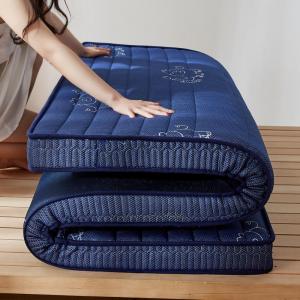
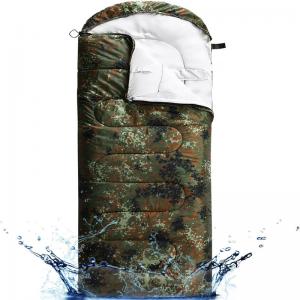
Emergency relief blankets are rarely procured in isolation in actual projects. They are typically distributed together with emergency tents, moisture-proof mats, folding beds and sleeping mats, emergency lighting equipment, first aid supplies, and storage backpacks.
Seeking a comprehensive supplier capable of supplying multiple product types simultaneously is a practical choice: it reduces the number of vendors to manage, makes specification compatibility between items easier to ensure, consolidates shipments and customs clearance, and reduces cross-batch logistics complexity.
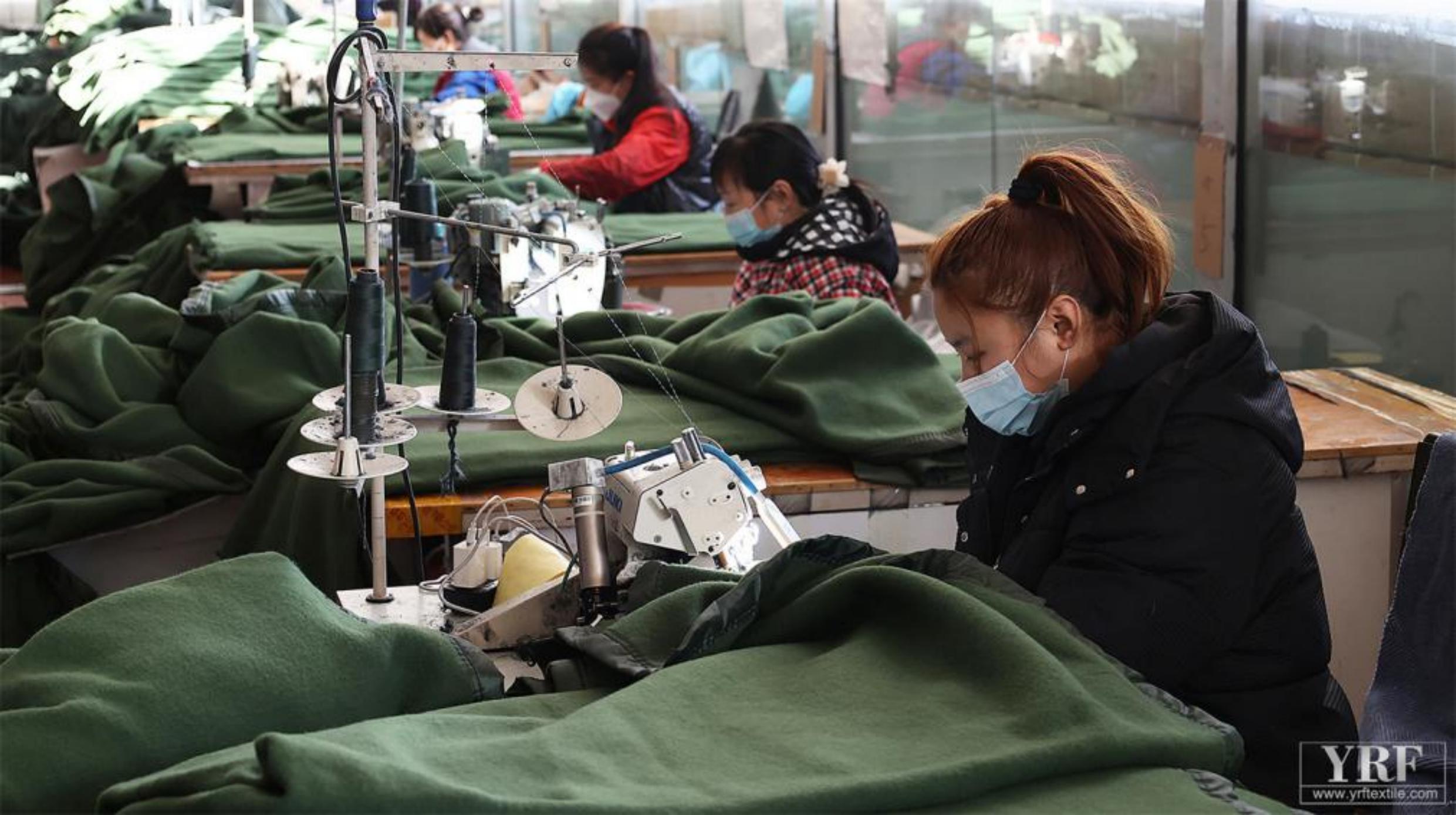
China has a relatively complete emergency supply industry chain. From blankets and tents to emergency equipment, factories in many cluster regions have mature upstream and downstream supply networks, providing the foundational capability for one-stop bundled procurement. These factories also have well-developed experience handling the documentation requirements associated with government emergency blanket tenders and international aid projects.
XI. Summary and Next Steps
Selecting the right emergency relief blankets is not about finding the lowest unit price. The goal is to control the full lifecycle cost and risk within an acceptable range through clear technical specifications, reliable suppliers, rigorous acceptance inspection, and sound stockpile management.
Five things you can do right now:
(1)Prepare a one-page project requirements brief: Include resettlement population size and composition, destination climate, intended use duration, budget ceiling, and project acceptance requirements;
(2)Draft a technical specification sheet: Using the criteria framework from Sections III and IV, specify material type, gram weight range, dimensions and tolerances, waterproof and anti-mold performance grades, color fastness requirements, and label language;
(3)Request samples from two to three candidate suppliers: Test against the acceptance checklist in this article, focusing on gram weight, anti-mold and antibacterial treatment, color fastness, and the actual compressed volume of compression-packed relief blankets compared to what was stated in the specification;
(4)Confirm the customs documentation requirements with candidate suppliers for the destination country: clarify what certificates of origin, quality inspection reports, and label specifications are needed to avoid clearance delays upon arrival;
(5)Lock in key parameters and non-conforming item procedures in the contract: Include gram weight tolerance ranges, sampling inspection ratios, delivery milestones, and penalty clauses, putting all pre-confirmed standards in writing.
If you are preparing the technical annex of a tender document or internal acceptance standards and lack a ready-made template, please describe your project background through the contact window on this site. We can provide anonymized technical clause examples and acceptance checklist samples for internal discussion and benchmarking reference, subject to the formal contract signed by both parties.
Primary Keyword: Emergency Relief Blankets
Long-Tail Keywords: government tendered emergency blankets、international humanitarian aid blankets、aluminized emergency blankets、thermal emergency relief blankets、waterproof and moisture-resistant relief blankets、anti-mold antibacterial relief blankets、long-term stockpile emergency blankets、ISO-certified relief blankets、third-party tested relief blankets、government emergency blanket tender、bulk purchasing emergency blankets、compression-packed relief blankets、Chinese emergency relief blanket suppliers、emergency blanket insulation performance、anti-mold and antibacterial treatment、professional emergency relief blankets
Urheberrechte © © Custom Disaster - Relief Bedding: Tents, Sleeping Bags, Blankets Alle Rechte vorbehalten
das professionelle Team zum Service !