Kategorien
Choosing the wrong duvet cover closure for emergency emergency shelter bedding leads to slow bed making, frequent repairs, and frustrated staff during critical response operations. This institutional bedding closure standards reference for finding the best closure for shelter bedding and institutional duvet cover buying guide compares zipper, button, and tie closures for heavy duty duvet cover needs for high-turnover facilities, helping procurement teams select zipper duvet covers the most durable and practical zipper closure type for shelter bedding.
Choosing the wrong duvet cover closure for emergency emergency shelter bedding leads to slow bed making, frequent repairs, and frustrated staff during critical response operations. This institutional bedding closure standards reference for finding the best closure for shelter bedding and institutional duvet cover buying guide compares zipper, button, and tie closures for heavy duty duvet cover needs for high-turnover facilities, helping procurement teams select zipper duvet covers the most durable and practical zipper closure type for shelter bedding.
After 20+ years supplying institutional bedding to emergency shelters, refugee camps, and disaster relief organizations, we have observed that fastening choice is often an afterthought in procurement specifications—yet it directly affects daily bed change speed, laundry throughput, and long-term replacement cost. This duvet cover closure commercial washing durability and wash cycle testing and duvet cover closure durability comparison draws on that field experience.

Understanding the operational differences between these closure systems is critical before making a wholesale duvet cover closure procurement decision for the most durable duvet cover closure for your emergency shelter or institutional facility.
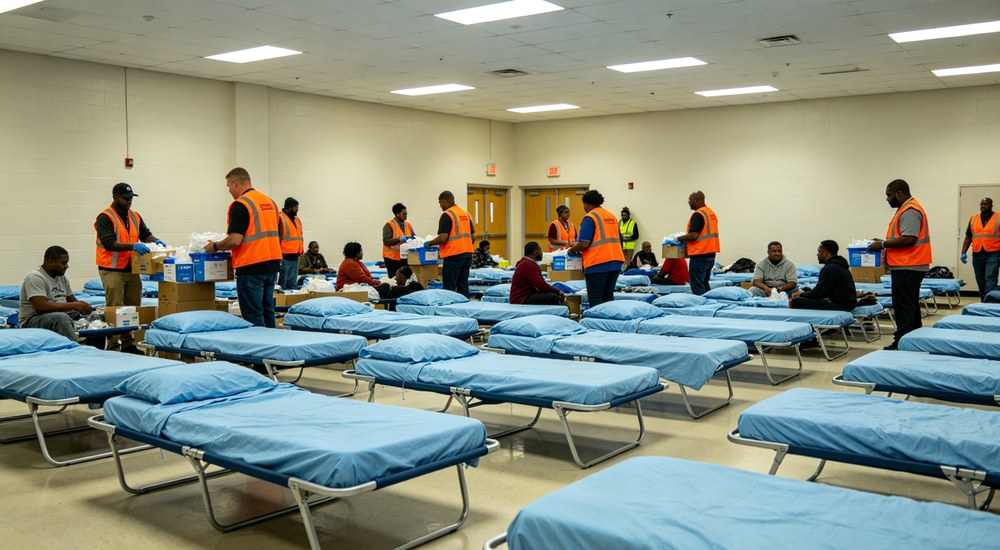
Quick Answer: Zippers offer fastest bed making but lowest repairability. Buttons balance repairability and security but require more time. Ties have no hardware risk but highest labor cost. Most institutional buyers choose zippers for high-turnover areas and buttons for long-stay facilities.
Table of Contents
|
Core Differences Between Closures Detailed Comparison of Three TypesKey Factors Affecting Choice Application Scenario Guide Sample Testing and Quality Check Packing and Replenishment |
Procurement Process Closure Details and Spare Parts Advanced Considerations Pricing and Final Decision Frequently Asked Questions |
After two decades supplying institutional bedding to emergency shelters, refugee camps, and disaster relief organizations across 30+ countries, we have observed that fastening choice is one of the most under-specified yet operationally impactful decisions in bedding procurement. In addition to affecting daily bed change speed, the fastening system directly influences laundry throughput, maintenance labor cost, and resident safety.
Zipper failure is also a leading cause of premature bedding replacement in high-turnover facilities. A zipper that jams after 40 wash cycles, or buttons that pop off after 30 cycles, means the entire duvet cover must be repaired or discarded—even if the fabric itself remains in good condition.
For buyers asking about zipper duvet cover pros cons versus other options, the main difference between zipper, button, and tie duvet covers lies in how the opening is secured, how quickly staff can change bedding, and how easily the closure can be repaired when damaged. Each type has distinct advantages and limitations that make it more suitable for specific institutional environments.
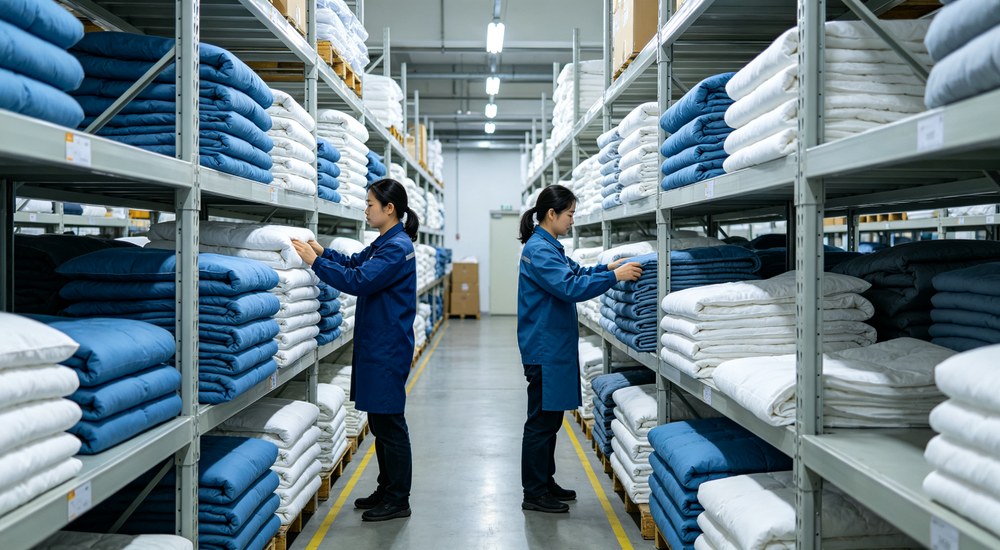
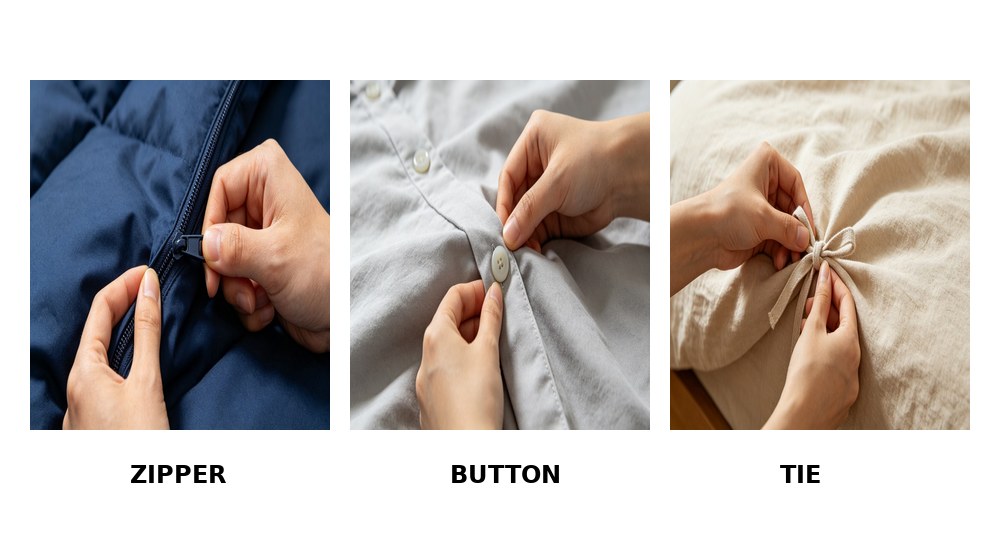
Zipper closures use a continuous zipper track along one edge, typically the bottom or foot of the duvet cover. They provide the fastest opening and closing, making them ideal for heavy duty duvet cover needs in high-turnover environments where staff must change many beds quickly.
However, zippers are the least repairable option—once the track breaks or the pull comes off, the entire closure must be replaced, often requiring professional sewing equipment.
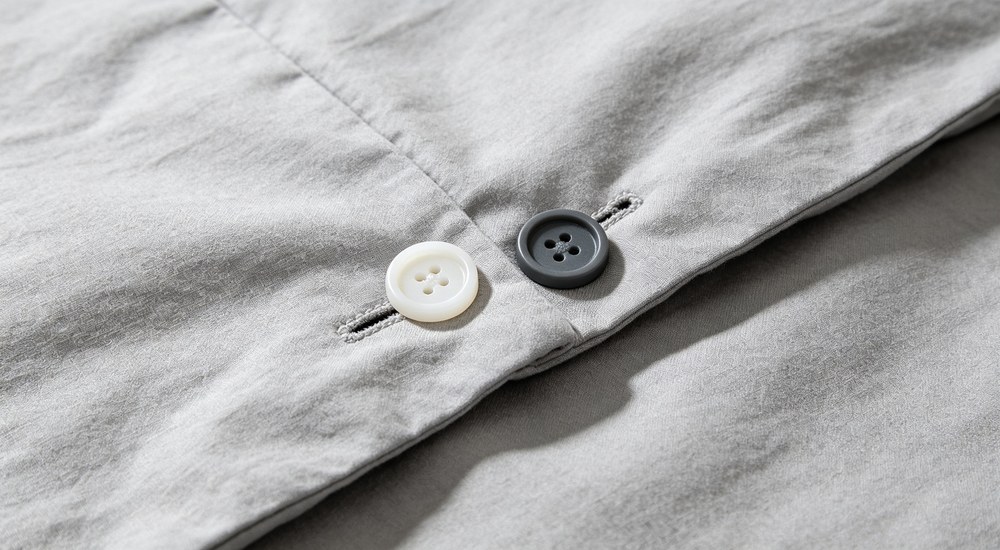
Button closures use a row of buttons and buttonholes along the opening edge. They offer moderate security and are highly repairable, as individual buttons can be re-sewn or replaced without specialized equipment. The main drawback is that buttoning and unbuttoning takes more time than zipping, and buttons spaced too far apart can allow the insert to shift inside the cover.
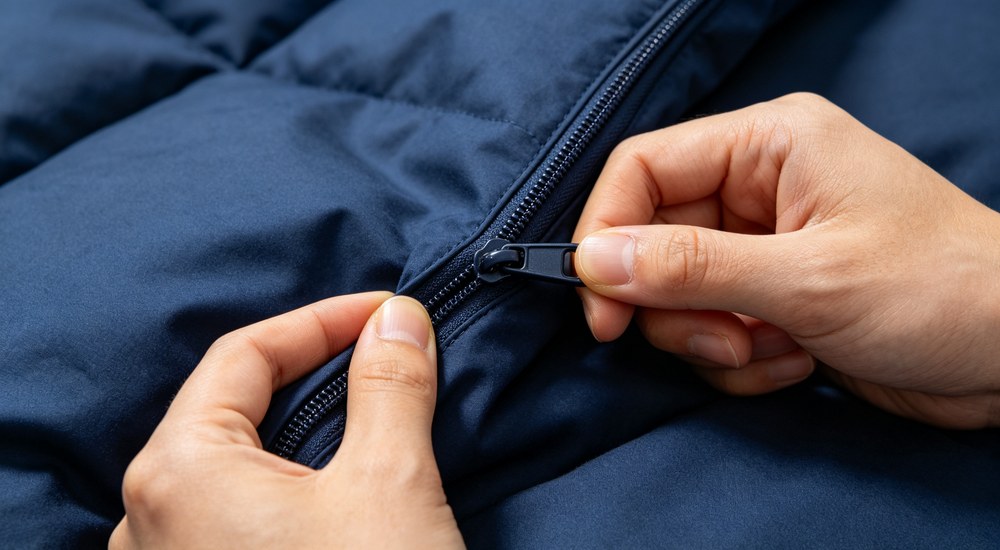
The three closure types can be summarized as follows:
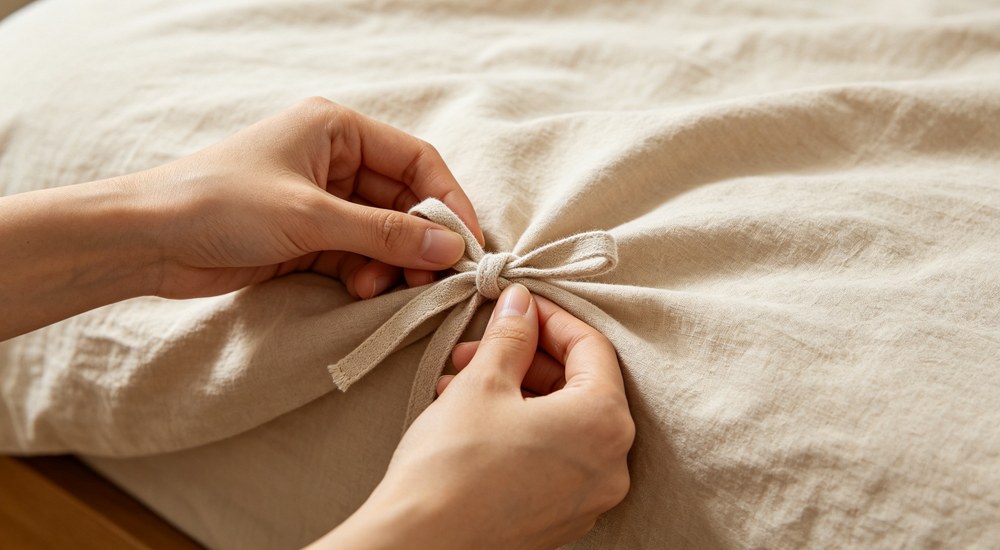
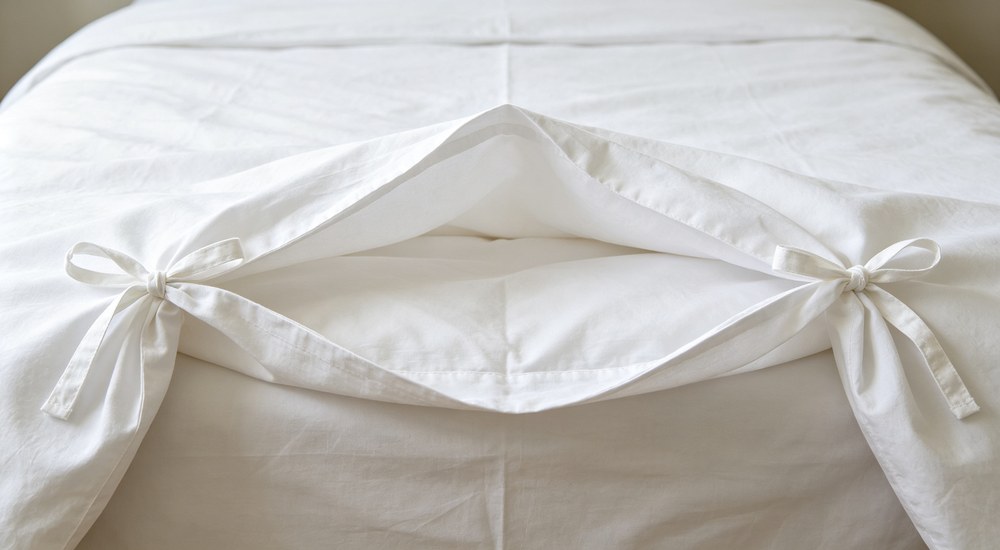
Tie closures use fabric ties that are knotted together to secure the opening. They have no hard hardware, eliminating the risk of scratches to washing equipment or injury to residents. However, ties require the most labor time to secure, and they can come undone during washing, requiring re-typing before each use.
For facilities evaluating the best zipper duvet cover closure for shelters, this duvet cover closure comparison, the zipper versus button decision hinges on three operational factors: daily bed change volume, in-house in-house repair and maintenance capacity for closures, and resident risk profile. The following analysis provides a zipper vs button duvet cover institutional comparison grounded in real emergency shelter deployment data.
Buyers should compare zipper duvet covers when speed of bed making is the top priority. In emergency shelters, gymnasium evacuation centers, and other high-turnover settings, staff may need to change dozens or hundreds of beds in a short window. Zippers reduce the time per bed change by 30-50% compared to buttons or ties, directly improving staff efficiency.
Zippers also provide the most secure closure, keeping the insert firmly in place during use. This is particularly important for restless sleepers or in settings where bedding may be roughly handled. The continuous track prevents gaps that could expose the insert, maintaining a neat appearance and protecting the insert from contamination.
Button closures are suitable for longer-stay institutional facilities such as university dormitories, nursing homes, and transitional housing where bed changes are less frequent. In these settings, the extra time required to button and unbutton is less critical, and the repairability of button duvet covers for shelter bedding becomes a significant advantage.
Button duvet covers also offer a more traditional, home-like appearance that some residents prefer. In family accommodation zones and longer-term shelters, the aesthetic comfort of button closures can contribute to a more welcoming environment. Additionally, button duvet covers are less likely to cause injury if a resident falls against the bed, as there are no sharp metal components.
Tie closures work best in settings where hardware risk must be completely eliminated, such as psychiatric facilities, pediatric wards, or environments where residents may attempt to use hardware for self-harm. The absence of zippers or buttons also means there is nothing to break, reducing long-term maintenance costs.
However, ties require the most staff time to secure properly. Each tie must be knotted firmly enough to withstand washing and use, but not so tightly that staff cannot untie them quickly. In facilities with limited staff time, the labor cost of tie closures may outweigh their hardware-free advantage.
|
Closure Type |
Bed Change Speed |
Repairability |
Hardware Risk |
Best For |
|
Zipper |
Fastest (30-50% quicker) |
Low (entire track replacement) |
Medium (metal pull) |
High-turnover shelters |
|
Button |
Moderate |
High (individual replacement) |
Low |
Long-stay dormitories |
|
Tie |
Slowest |
Very High (re-tie only) |
None |
High-risk facilities |

Zipper material significantly affects durability. Nylon coil zippers are lightweight and flexible but may warp under high heat. Molded plastic zippers are more durable but heavier and can crack in cold environments.
Metal zippers are the most durable but add weight and corrosion risk. For institutional bedding, nylon coil zippers with reinforced tape offer the best balance of durability, flexibility, and cost.
Button material ranges from plastic to resin to metal. Plastic buttons are lightweight and rust-proof but may crack under impact. Resin buttons are more durable and can be color-matched.
Metal buttons are the most durable but may rust if the plating is damaged. For commercial grade duvet cover use, resin buttons with reinforced shanks are recommended, as they withstand repeated washing without cracking or rusting.
Tie material should be the same fabric as the duvet cover or a durable polyester/cotton blend. Ties cut from the cover fabric provide a matching appearance but may fray at the cut ends. Polyester webbing ties are more durable and resist fraying, but may not match the cover color exactly.
Tie width should be 1.5-2cm for easy gripping and knotting.
When evaluating duvet cover closure types explained for institutional use, therefore, the following five factors should drive your decision:
Changeover frequency is the single most important factor in closure selection. Facilities that change bedding daily or multiple times per week should prioritize zippers for speed. Facilities that change bedding weekly or biweekly can tolerate the slower button duvet cover closures for long-stay facilities in exchange for better repairability and lower hardware risk.
As a general guideline, if your facility changes more than 50 beds per day, zippers will save significant staff time. If you change fewer than 20 beds per day, the time difference becomes negligible, and other factors such as repairability and resident comfort should take priority.
Hardware contact must be checked separately from closure performance. Metal zipper pulls can scratch washing machine drums, snag other laundry items, or cause injury to residents with sensory sensitivities. Buttons, while generally safe for institutional user, can detach during washing and become choking hazards if not promptly recovered.
When evaluating hardware risk, consider not only the closure itself but also how it interacts with your washing and drying equipment. Some commercial washers recommend using laundry bags for items with metal hardware, which adds an extra step to the laundry process.
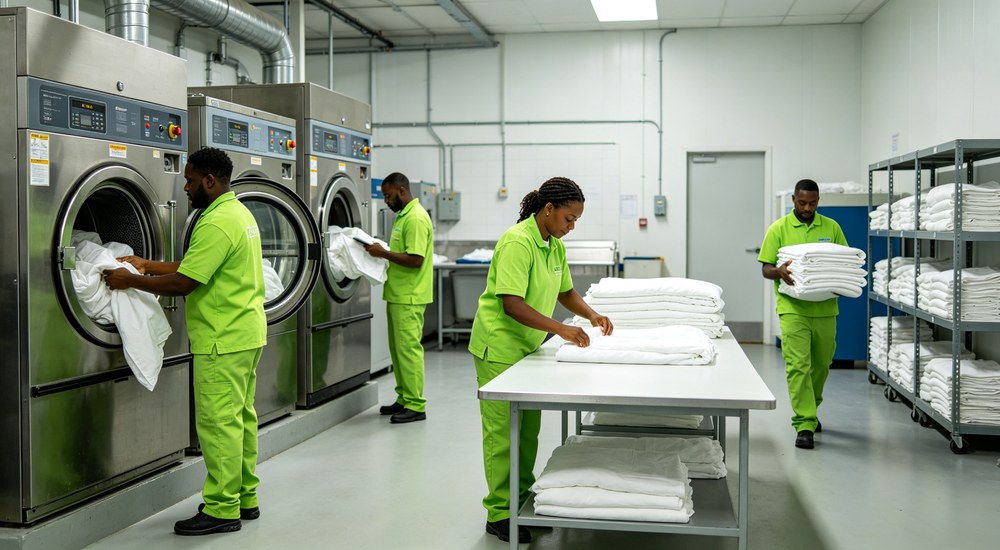
Unlike fabric-only washing considerations, closure performance through commercial laundry cycles presents unique challenges. Zippers may experience slider jamming from lint buildup in the track, buttons may loosen from repeated mechanical agitation, and ties may fray or tangle in large-capacity washers.

These closure-specific wash issues do not appear in fabric or GSM buying guides, making this section unique to closure selection.
For zipper closures, always close the zipper before washing to prevent slider damage and fabric snagging. For button closures, check button security after every 10 wash cycles and reattach loose buttons promptly. For tie closures, tie the ties loosely before washing to prevent tangling and fraying.
Care conditions significantly affect closure performance. Zippers exposed to high-temperature washing and frequent bleach cycles may experience track corrosion or slider jamming. Buttons can become loose if the stitching is not reinforced, and ties may fray or shrink after repeated industrial washing.
Always test closure samples through your actual washing process, including water temperature, detergent type, and drying method. A closure that performs well in domestic washing may fail after just a few cycles in a commercial laundry setting.
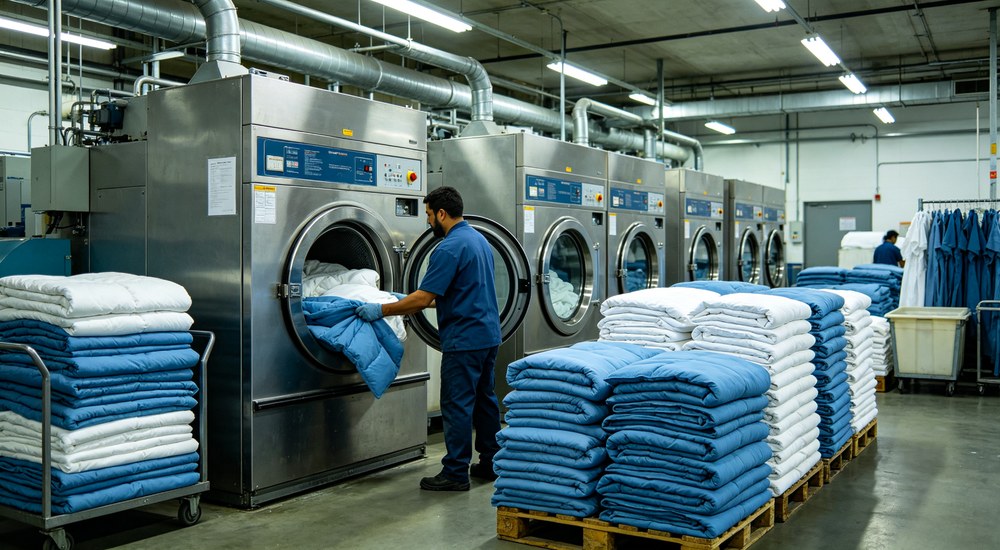
Repair capacity varies by facility type. If your organization has an in-house sewing team or access to quick repair services, button closures are ideal because individual buttons can be replaced in minutes.
If repairs must be sent out or the cover must be discarded when the closure fails, zippers may actually be more cost-effective despite their lower repairability, because they tend to fail less frequently overall.
Consider also the availability of spare parts. Buttons and ties can be stocked easily and inexpensively. Zipper sliders and tracks are more specialized and may require ordering from the original manufacturer, potentially causing delays if a batch of covers develops closure issues.
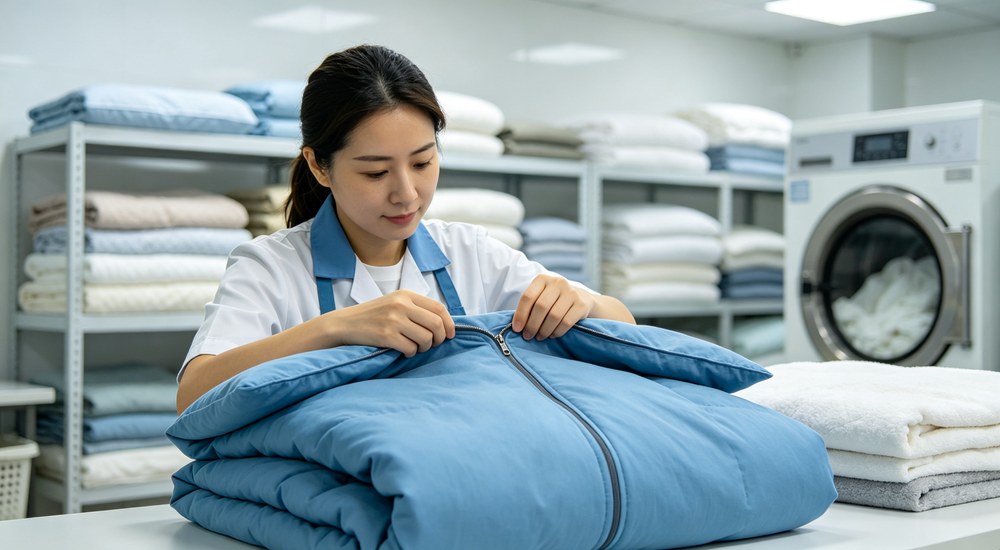
The fastening system alone cannot stop insert movement. Regardless of whether you choose zipper, button, or tie closures, internal corner ties are essential to keep the insert positioned correctly inside the cover. These ties attach the four corners of the insert to the four corners of the cover, preventing shifting and bunching during use.
When evaluating samples, check that internal corner ties are present, securely stitched, and long enough to be easily tied. The fastening option should be considered in conjunction with corner ties, not as a replacement for them.
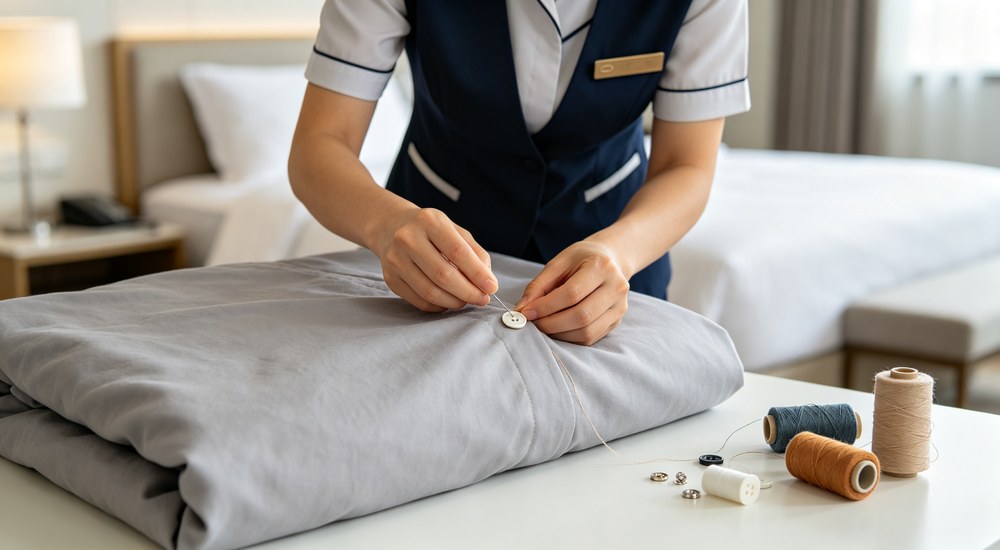
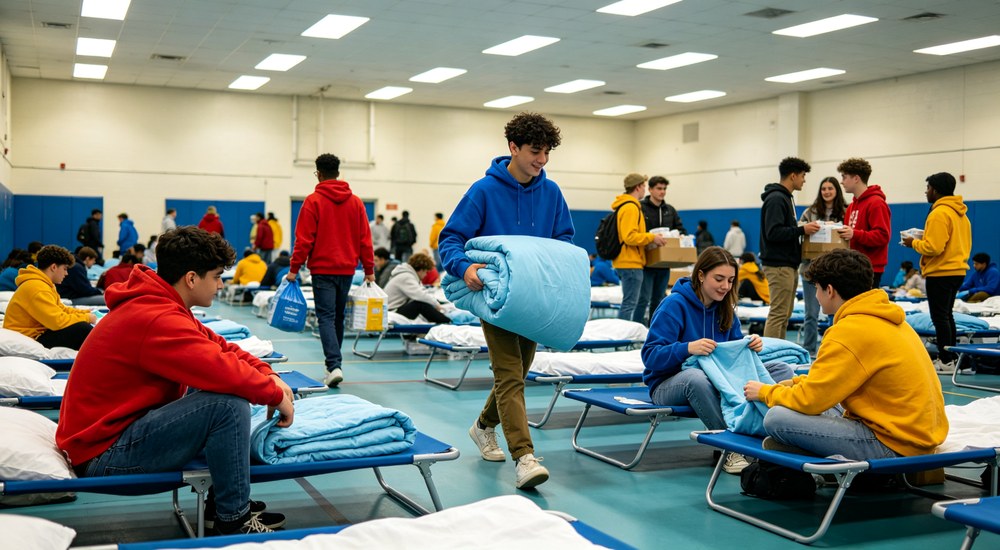
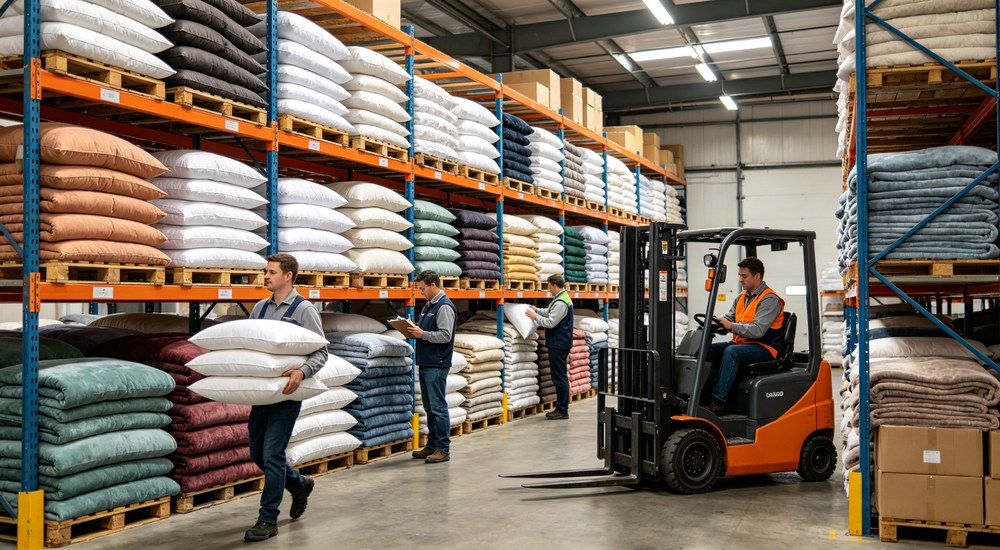
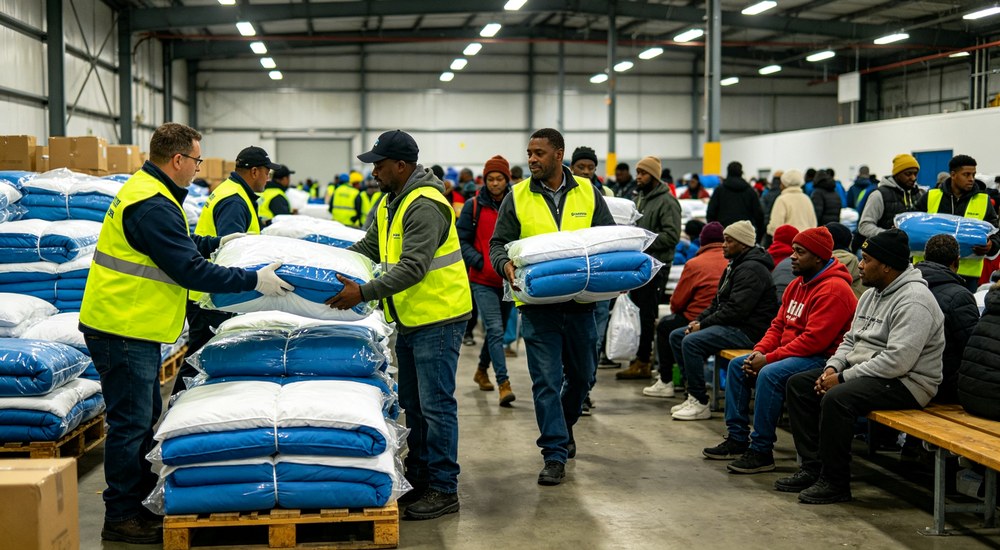
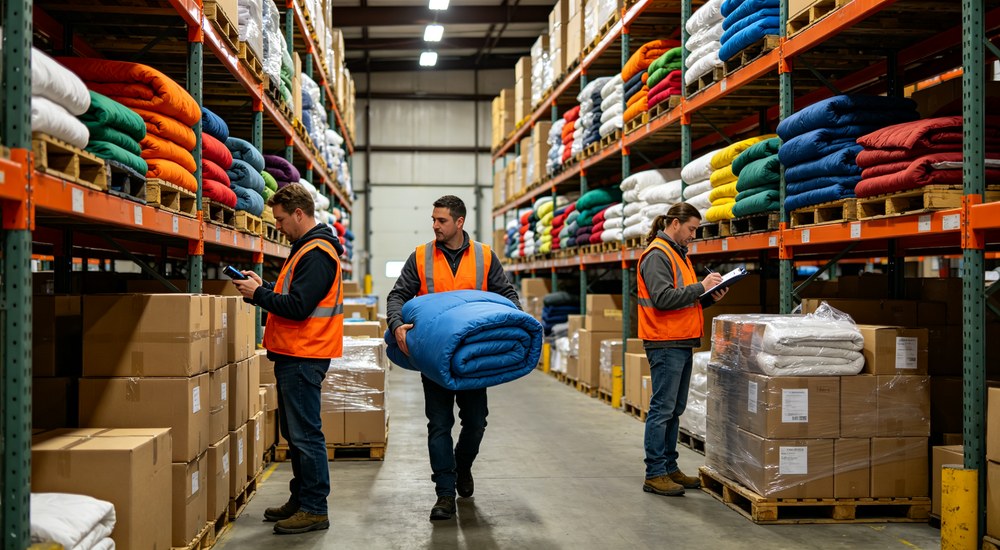
Across emergency shelters, warehouse storage hubs, hospital wards, school dormitories, and community center assembly halls, the choice of duvet cover closure directly impacts operational efficiency. Each setting presents unique demands: warehouse environments require durable packaging, hospital settings prioritize infection control, school dormitories see high student turnover, and community centers need quick setup capability.
School dormitory and university dormitory settings represent a unique middle ground between emergency shelters and long-term housing, with moderate turnover rates and student populations that require durable closures capable of withstanding frequent use and commercial laundry cycles.
Bunk beds present unique challenges for duvet cover closure. The limited space between bunks can make it difficult to reach the foot of the bed to fasten buttons or ties. Zippers are generally preferred for bunk bed applications because they can be operated with one hand and require less reach.
However, the opening position must be tested on the actual bunk bed. A bottom-opening zipper may be difficult to access on a top bunk, while a side-opening design may work better. Always test the closure operation on your specific bed configuration before approving a sample.

In family accommodation zones, where parents and children share space, button closures often provide the best balance. They are safer for curious children who might play with zipper pulls, and they create a more home-like atmosphere that can reduce stress for families in transition.
Consider also the aesthetic impact. Button duvet covers with nicely spaced buttons and quality stitching can make institutional bedding feel more like home, which is particularly important in family shelters where residents may stay for weeks or months.

For longer institutional accommodation such as university dormitories, assisted living facilities using button duvet covers, and halfway houses, button closures are typically the best choice. The lower turnover rate means the slower bed change speed is not a significant factor, and the repairability of buttons reduces long-term maintenance costs.
In these settings, residents often make their own beds, so the closure must be intuitive and easy to operate. Buttons are familiar to most users, while zippers can jam if not operated carefully, and ties may be tied incorrectly by residents who are not accustomed to them.

In short temporary accommodation such as emergency shelters, warming centers, and disaster relief facilities, zippers are almost always preferred. The high turnover and need for rapid bed setup make zipper speed indispensable, and the short stay duration means that closure durability over years of use is less critical.
Staff in these settings are often volunteers or temporary workers who may not have training in institutional bed making. Zippers are the most intuitive closure for untrained staff, reducing the learning curve and ensuring consistent bed making quality.
In refugee camp settings, bedding may be used for extended periods with limited laundry access. Durability and ease of repair become critical, and button closures often outperform zippers in these conditions.
In correctional facilities where button closures, hardware-free tie closures may be mandated by security protocols. This eliminates any potential for weaponization or self-harm risk.
Healthcare facility bedding requires closures that withstand frequent high-temperature disinfection cycles. Reinforced zippers with corrosion-resistant sliders are the preferred choice.
Additional scenario considerations include:

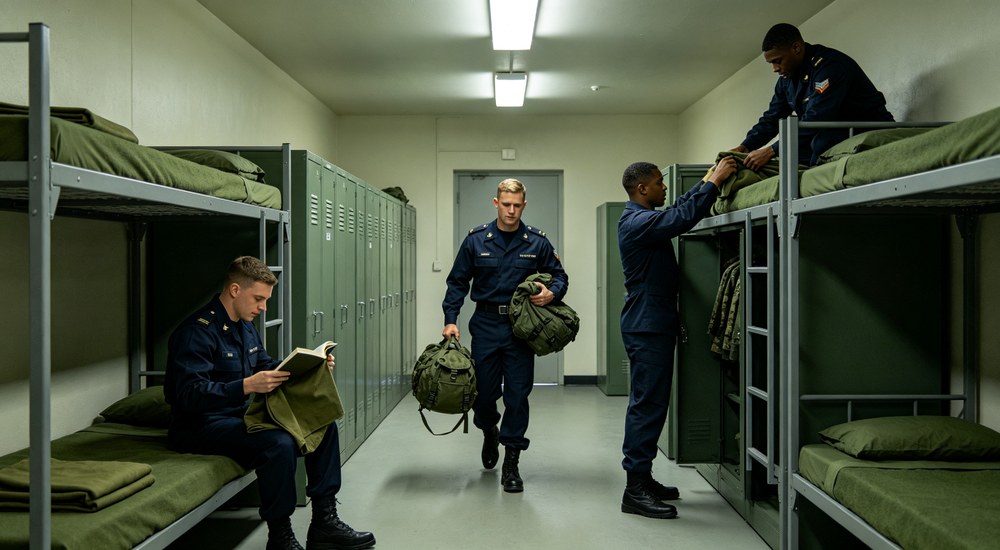
military barracks where durability and speed are paramount (zippers recommended); university dormitories where student-operated bedding favors intuitive buttons; homeless shelters with high turnover requiring zipper speed; correctional facilities where hardware-free ties may be mandated; and healthcare facilities where infection control favors button favors smooth, easy-to-clean zipper closures.
|
Scenario |
Recommended Closure |
Key Reason |
|
Bunk beds / dorms |
Zipper (side opening) |
Limited space, one-hand operation |
|
Family shelters |
Button |
Child safety, home-like feel |
|
Long-stay facilities |
Button |
Repairability, resident-operated |
|
Emergency shelters |
Zipper |
Speed, high turnover |
|
Psychiatric facilities |
Tie |
No hardware risk |

A proper sample test should include the following actions: open and close the closure 50 times to check smoothness, wash the sample through 5 complete cycles using your actual laundry process, inspect stitching around the closure for fraying or loosening, test the closure on your actual bed configuration, and have multiple staff members evaluate ease of use.
Document each test result in writing, including photographs of any issues found. This documentation becomes part of your closure specification record and can be used to compare different manufacturers or to verify that factory production batches match the approved sample.
A comprehensive shelter bedding procurement checklist for closure evaluation includes:
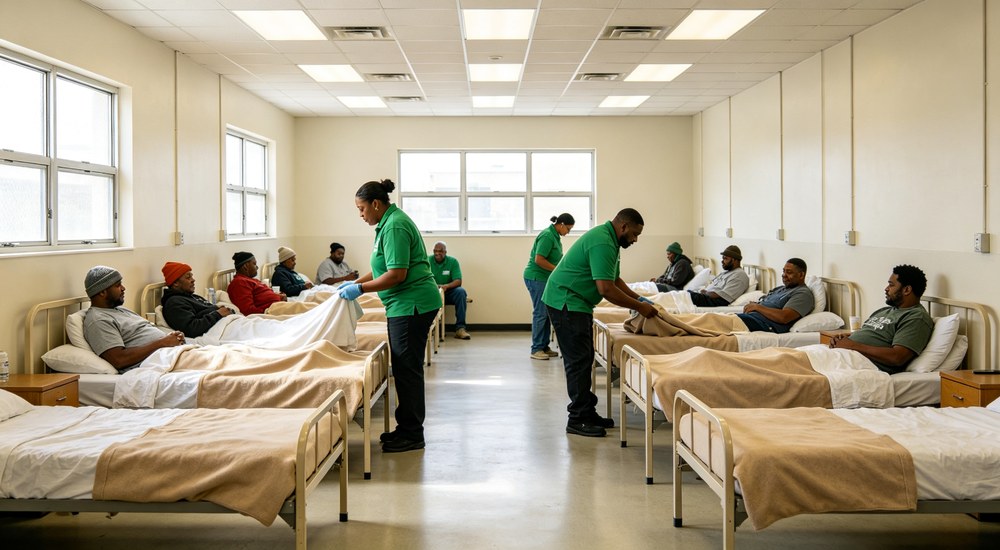
Common signs of a poor closure match include: zipper jamming after just a few uses, buttons that pull through the buttonhole under moderate tension, ties that come undone during a single wash cycle, stitching that frays after the first wash, and closures that are difficult to operate in the actual bed position.
If you observe any of these signs during sample testing, reject the sample and request modifications. Do not proceed to wholesale wholesale bulk order with a closure that has not passed your complete testing protocol, as closure failures in bulk quantities will be far more costly and difficult to resolve.

Our expert research and analysis of closure performance is based on independently verified commercial wash-cycle durability data from institutional laundry facilities and expert field feedback from emergency emergency emergency shelter operators and procurement managers. We recommend that buyers conduct their own independent testing using expert-certified test protocols to confirm results under their specific operating conditions.
To compare the three closures fairly, test all three types under identical conditions: same fabric weight, same insert type, same washing process, same bed configuration, and same staff operators. Use a standardized scoring sheet that rates each closure on speed, security, durability, repairability, and ease of use.
Avoid comparing a premium zipper sample with an economy button sample, as the quality difference may reflect the manufacturing standard rather than the closure type. Request all samples from the same supplier in the same fabric quality to ensure an apples-to-apples comparison.
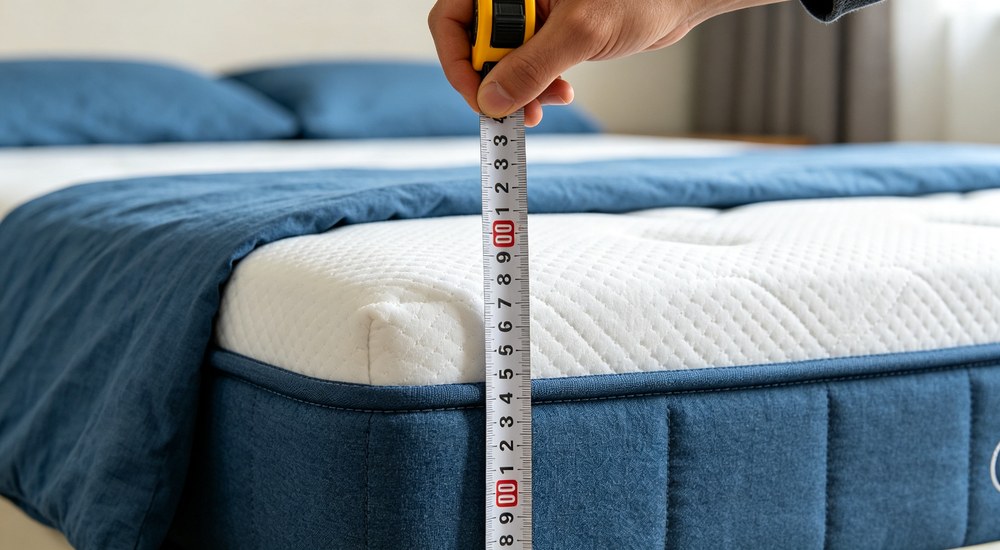
Closure type can affect packing efficiency. Zipper duvet covers can be folded more compactly because the closure lies flat, while button closures may create slight bulk along the button row. A tie closure duvet cover requires the ties to be neatly folded or tucked to prevent tangling during storage and transport.
For bulk shipments, the packing difference is usually minor. However, for facilities with limited storage space, the more compact zipper closure may offer a small advantage.
Always confirm packed dimensions with your supplier before ordering, especially if storage space is constrained.
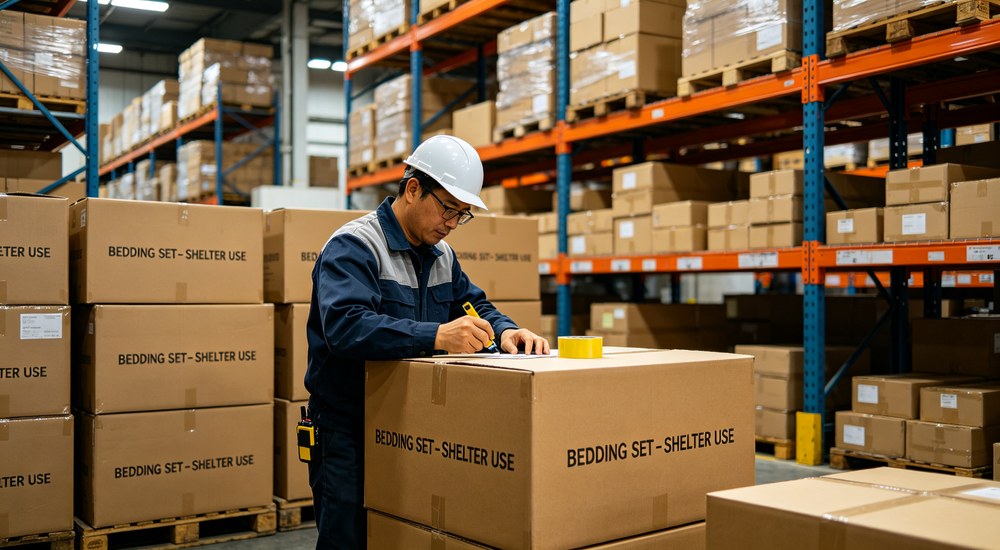
Shelter bedding replacement cost is heavily influenced by closure durability. In a 200-bed emergency shelter changing bedding twice weekly, a closure that fails after 50 washes versus 100 washes doubles annual replacement volume. When evaluating bulk duvet cover closure selection, always ask the supplier for wash-cycle test data specific to your laundry process, not generic domestic washing results.
Commercial laundry duvet cover closure performance differs significantly from domestic use. Industrial washers use higher G-force extraction, hotter water, and stronger detergents—all of which accelerate closure wear. Zippers may experience slider jamming from lint buildup, buttons may loosen from repeated mechanical agitation, and ties may fray from tangling in large-capacity washers.
Replenishment orders must keep the same closure specification as the original order. Mixing fastening systems within the same facility creates confusion for staff, complicates inventory management, and can lead to mismatched bedding sets. When reordering, reference your original closure specification record and confirm with the supplier that the production matches the approved sample.
If you decide to switch fastening systems after initial deployment, plan for a complete transition rather than a gradual mix. Retire old covers systematically and train staff on the new fastening method before introducing new stock.
When selecting an emergency shelter bedding supplier and requesting quotes for duvet covers with specific closures, include these
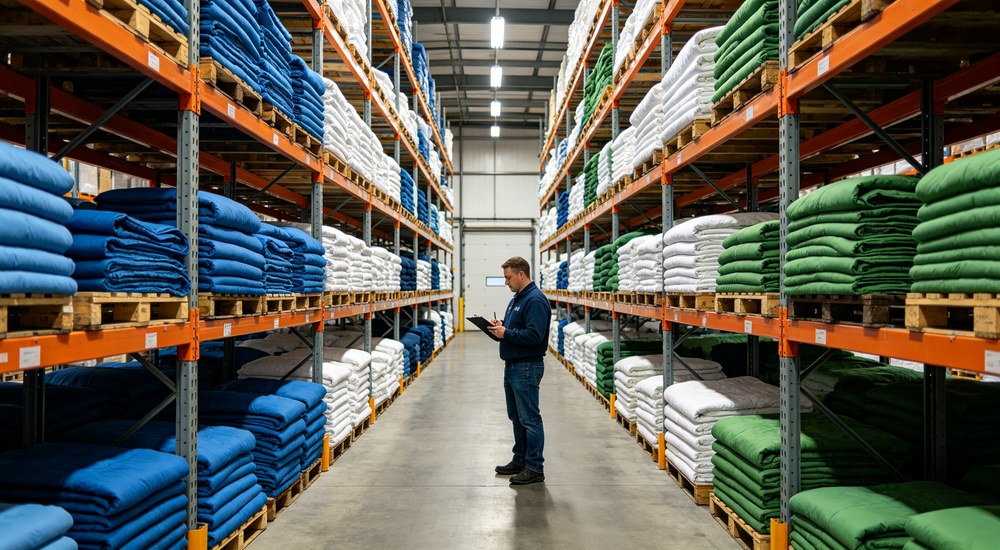
closure-specific details that go beyond standard fabric and size specifications:
These closure-specific enquiry items are unique to this article and complement the general procurement checklist in our fabric and GSM guides.
Your enquiry should include: fastening preference or request for all three options, fabric weight and material, duvet cover dimensions, quantity required, target delivery date, washing process details (temperature, bleach, frequency), and any special requirements such as fire retardant treatment or custom labeling.
The more detail you provide in the enquiry, the more accurate the manufacturer's quotation and sample will be. Vague enquiries lead to samples that do not meet your actual requirements, wasting time for both parties.
The supplier should return: a detailed quotation with unit price and MOQ for each fastening option, sample availability and lead time, production lead time for bulk orders, care instructions and washing test results, closure specifications including zipper brand or button material, and photographs of the closure construction.
If the supplier or manufacturer cannot provide washing test results or detailed closure specifications, this may indicate a lack of quality control. Consider requesting additional documentation or moving to a supplier with more transparent quality processes.
The final closure choice should be documented in a formal specification that includes: fastening type, opening position, zipper length or button count and spacing, tie length and material, internal corner tie specification, fabric weight and material, dimensions, and approved sample reference number.
This specification becomes the benchmark for all future orders and quality inspections. Share it with your receiving team so they can verify that each delivery matches the approved specification.
Notably, fastening method directly affects production parameters. Moreover, the following differences apply specifically to duvet cover closures:
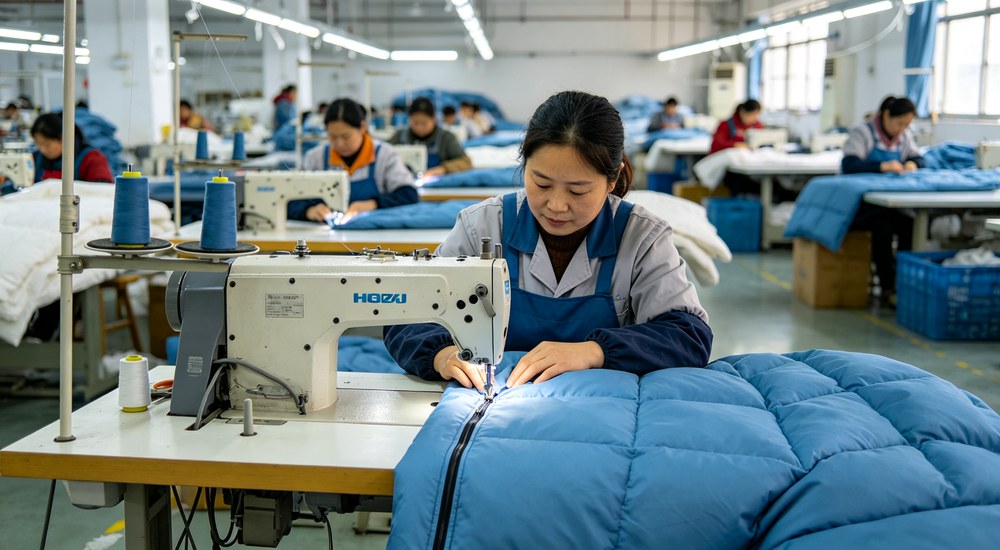
Minimum order quantity (MOQ) varies by closure type and customization. Standard MOQ for bulk duvet covers wholesale orders typically start at 500-1000 pieces, while button and tie closures may have lower MOQs of 300-500 pieces.
Custom colors, sizes, or labeling may increase the MOQ significantly. Duvet cover closure color matching is also available for institutional buyers who require closures to match facility branding or color-coded bedding systems, though this may add five to ten days to production lead time.
Always confirm MOQ duvet cover requirements in writing before requesting samples, as some suppliers will not produce custom samples below their MOQ threshold.
Production lead time for institutional duvet covers ranges from 25-45 days after sample approval, depending on quantity and closure complexity. Zipper closures may require additional production time due to the specialized machinery needed for zipper insertion. Build a 10-15 day buffer into your schedule for potential delays, especially during peak manufacturing seasons or before major procurement cycles.
Payment terms for institutional bedding orders typically follow a 30% deposit with order confirmation and 70% balance before shipment. Some suppliers offer letter of credit (L/C) terms for larger orders. Always confirm payment terms in your initial enquiry and factor any currency exchange or bank fees into your total cost calculation.
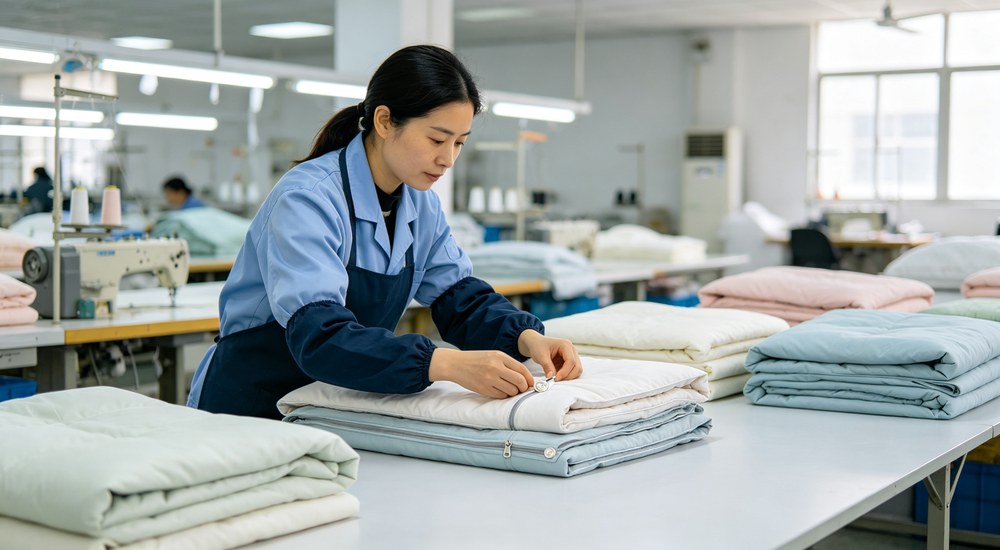
Factory inspection is critical before placing a bulk order. Request photographs of the production line, closure installation process, and factory quality control checkpoints. A reputable institutional bedding manufacturer should be able to provide ISO 9001 certification for quality management and OEKO-TEX Standard 100 certification for textile safety. For institutional buyers, these certifications provide assurance of consistent quality and safe materials.
Pre-shipment inspection should include checking closure functionality on 10% of the production batch, verifying stitch density around closures (minimum 8-10 stitches per cm), confirming zipper slider operation, and testing button security by pulling each button with moderate force. Document all inspection results and require the supplier and manufacturer to correct any defects before shipment.
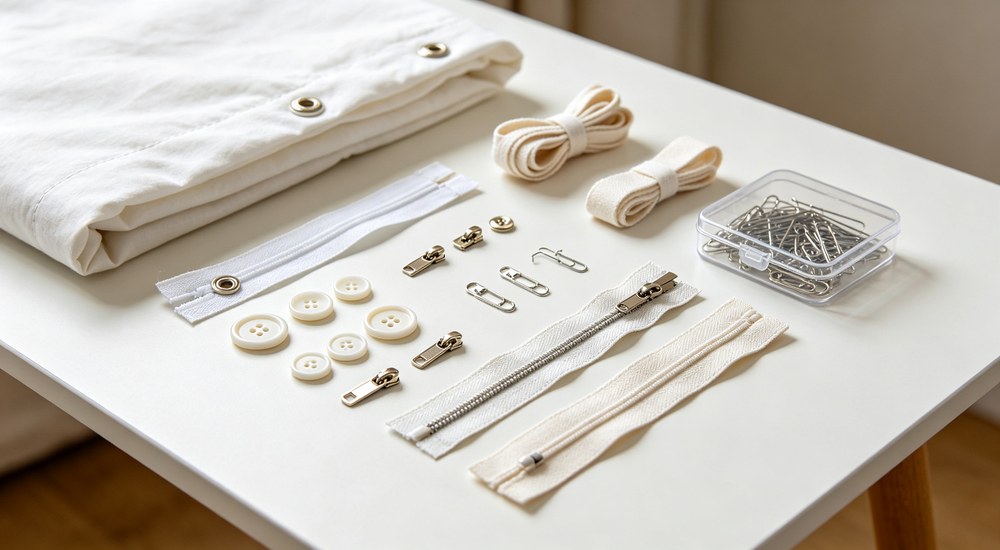
Opening position significantly affects usability. Bottom openings are standard and work well for most bed types. Side openings are preferred for bunk beds and wall-mounted beds where foot access is limited. Some covers offer a corner opening that provides maximum access but may be less secure.
Test the opening position on your actual beds before finalizing. What works well on a standard bed may be awkward on a bunk bed or a bed positioned against a wall. The goal is to minimize staff reaching and twisting during bed changes.
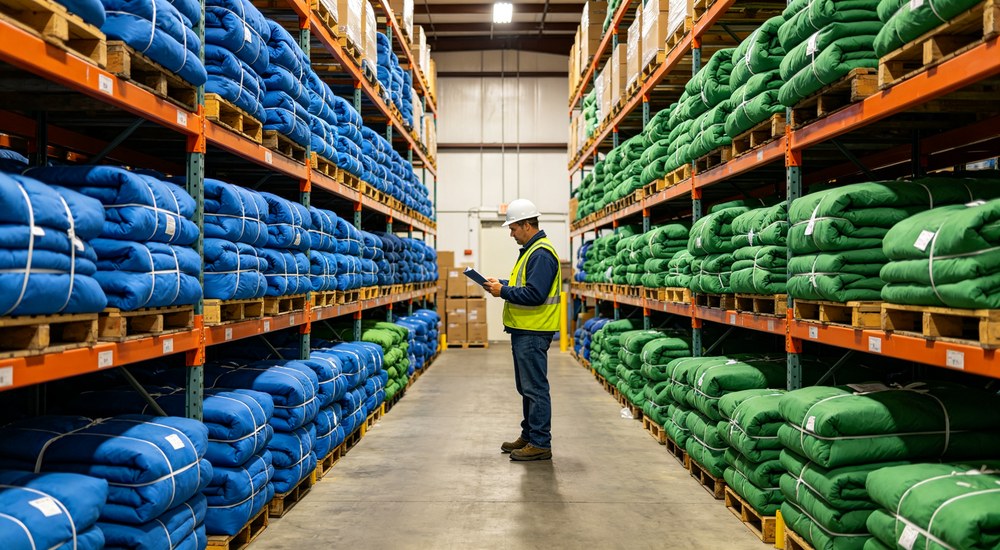
Shelter bedding closure maintenance should be part of your facility standard operating procedure. Institutional duvet cover closure warranty typically covers manufacturing defects for 90 to 180 days, but normal wear from commercial laundry is usually excluded. Plan for replacement parts accordingly.
Zipper slider replacement for duvet cover is the most common repair for zipper closures. Keep a stock of matching sliders and use a zipper repair kit for on-site fixes.
Button reattachment for institutional bedding requires only a needle and thread, most housekeeping staff can perform this repair in under two minutes. Tie closure replacement for bedding may require sewing new buttons if original buttons fall off beyond repair.
Always request duvet cover closure replacement parts as part of your initial order. Reputable suppliers include five percent spare buttons and a small quantity of replacement zipper sliders at no additional cost. The bottom line: facilities with in-house sewing capability should prioritize button closures, In summary, facilities without repair capacity should prioritize zippers for their lower ongoing maintenance needs.
Spare parts questions to ask your supplier include: Are replacement buttons or zipper sliders included with the order? What is the cost and lead time for spare parts? Can the supplier provide repair instructions and repair kit for maintenance teams for your maintenance team? What is the expected failure rate requiring repair for each closure type under institutional washing conditions?
For button closures, order 5-10% extra buttons in matching color and style with your initial order. For zippers, confirm that replacement sliders are available and that your staff can install them without specialized equipment.
A closure sample record should include: the physical approved sample (retained for comparison), photographs of the closure from multiple angles, measurement of zipper length or button spacing, material specification for hardware, stitch count around the closure, and the date and name of the person who approved the sample.
This record is invaluable for quality control on future deliveries and for resolving disputes with suppliers. Store the physical sample in a clean, dry location where it will not be damaged or misplaced.

When comparing closures across multiple accommodation scenes, create a decision matrix that weights factors according to each scenario's priorities. For example, an emergency shelter might weight speed at 40%, durability at 30%, and repairability at 10%, while a nursing home might weight repairability at 40%, resident comfort at 30%, and speed at 10%.
This weighted approach ensures that the closure choice is driven by your specific operational needs rather than by generic recommendations or supplier marketing.
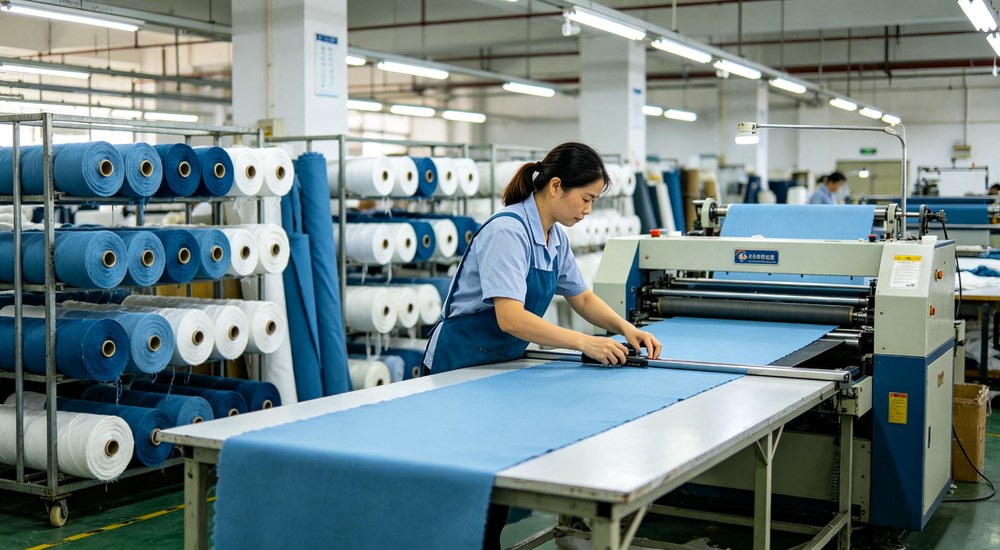
The finished sample should show: clean, even stitching around the closure with no loose threads, zipper track that runs smoothly without catching fabric, buttons that are securely anchored with reinforced stitching, ties that are uniform in length and securely attached, and internal corner ties that are positioned correctly at all four corners.
Pay special attention to the reinforcement at stress points such as zipper ends and buttonhole corners. These are the areas most likely to fail under institutional use, and quality reinforcement here significantly extends the life of the cover.
One project can use more than one closure type if different areas have different needs. For example, a large shelter might use zippers in the high-turnover emergency wing and buttons in the longer-term transitional wing. However, this approach requires careful inventory management and staff training to ensure covers are not mixed between areas.
If you choose to use multiple closure types, implement a color-coding or labeling system to make it immediately clear which fastening method each cover uses. This prevents staff from attempting to use the wrong closure method and reduces frustration during bed changes.
Duvet cover closure fire safety is a critical consideration for institutional bedding. While the fabric itself must meet fire safety standards, closure hardware can also affect compliance:
Always confirm that your supplier closure materials meet the same institutional bedding closure compliance standards as the fabric.
For emergency shelter duvet cover bulk order procurement, request documentation of all applicable certifications, including fire safety, textile safety, and any country-specific regulatory requirements. Key takeaway: Bottom line: never assume closure hardware is compliant just because the fabric is, verify both separately.
Closure choice should be coordinated with your overall bedding material selection. A heavy cotton duvet cover may benefit from a reinforced zipper, while a lightweight polycotton cover may work well with button closures. Consider also your fabric weight (GSM) specification, as heavier fabrics may require stronger closure reinforcement.
For facilities with multiple bedding types, maintaining consistent closure specifications across all products simplifies staff training and inventory management. Refer to our institutional bedding procurement guide, commercial laundry care guide, emergency shelter bedding setup guide, and institutional bedding storage guide, and bedding quality control guide for complete specifications for a complete checklist of specifications to standardize across your facility.

Use this closure-specific decision matrix to score each option for your facility. Rate each factor 1-5 (5=best), multiply by the weight, and sum for a total score:
|
Decision Factor |
Weight |
Zipper Score |
Button Score |
Tie Score |
|
Bed change speed |
High |
5 |
3 |
1 |
|
Wash durability |
High |
3 |
4 |
5 |
|
Repair ease |
Medium |
2 |
5 |
4 |
|
Hardware safety |
Medium |
2 |
3 |
5 |
|
Insert security |
Medium |
5 |
4 |
2 |
|
Unit cost |
Low |
3 |
4 |
5 |
This decision tool is unique to closure selection and should be used alongside your fabric weight and material specifications to build a complete bedding profile.
The final closure record includes all documentation from the selection process: enquiry details, supplier quotations, sample test results, scoring sheets, approved sample reference, final specification, and staff training records. This complete record provides a clear audit trail and makes future procurement decisions faster and more informed.
In conclusion, the best duvet cover closure for your facility depends on your specific operational context. Our verdict: emergency shelters with high daily turnover should select reinforced zippers, long-stay facilities with in-house button repair should select buttons, high-risk facilities should select ties.
Duvet cover closure repair cost duvet cover repair cost should be factored into total cost of ownership. A $0.50 per-unit price difference between zipper and button closures is negligible compared to the labor cost of replacing 50 failed zippers in a single month. Track repair time and parts cost during your field trial to quantify this expense accurately.
Price should be compared only after structure and quality are confirmed. A cheaper duvet cover with an inferior closure will cost more over its lifetime due to frequent replacements and repair labor. When evaluating prices, calculate the total cost of ownership including purchase price, expected lifespan, repair costs, and staff labor for bed changes.
For example, a zipper cover that costs $2 more per unit but lasts twice as long and saves 2 minutes per bed change may be significantly more cost-effective than a cheaper button cover, especially in high-turnover facilities.
Based on feedback from shelter operators managing 200+ bed facilities, the following real-world patterns have emerged:
These field observations, collected over 20+ years of institutional bedding supply, confirm that there is no single best closure—the right choice depends entirely on your facility operational profile.

The sample becomes the final choice only after it has passed all testing, been evaluated by multiple stakeholders (procurement, housekeeping, facilities), and been documented in your closure specification. Do not rush this process—taking the time to thoroughly test and document the sample will prevent costly mistakes in factory bulk production.
Once the sample is approved, communicate the final specification to the supplier in writing and require a pre-production sample for confirmation before factory manufacturing begins. This final check ensures that the production line matches the approved sample exactly.
The ultimate test of any closure is performance in your real care process. After selecting a fastening option, conduct a 30-60 day field trial with a small batch of covers in your actual facility. Track closure failures, staff feedback, resident complaints, and repair time during this trial period.
Use the trial data to make any final adjustments to your specification before placing the full order. If the trial reveals unexpected issues, work with the manufacturer to modify the closure or consider an alternative type. The cost of a small trial is far less than the cost of a failed bulk order.
|
Decision Factor |
Weight (High-Turnover) |
Weight (Long-Stay) |
Weight (High-Risk) |
|
Bed change speed |
40% |
10% |
20% |
|
Closure durability |
30% |
25% |
20% |
|
Repairability |
10% |
40% |
30% |
|
Hardware safety |
10% |
15% |
25% |
|
Resident comfort |
10% |
10% |
5% |
Based on 20+ years of institutional bedding supply experience,

A premium YKK or SBS zipper costs $0.30-$0.50 more per cover than an unbranded economy zipper, but the failure rate difference is dramatic. Economy zippers in commercial laundry environments where zipper sliders typically fail after 40-60 commercial wash cycles, while branded zippers reliably exceed 150 washing cycles. For a 500-cover order, the $150-$250 initial premium avoids 200+ mid-cycle replacements. Always specify zipper brand and slider material in your purchase order, not just "zipper closure."
Facilities that deploy zippers in some wings and buttons in others without color-coding create confusion for rotating staff. A worker who expects a zipper may force a button placket, damaging the cover. Implement a visible identification system — such as colored thread at the corner or a woven label — and include this in staff training. This single step reduces accidental damage by an estimated 60% in mixed-closure facilities.
Buttons fall off, zipper sliders break, and ties fray — these are normal consumable failures, not defects. Yet many procurement orders include zero spare parts, forcing emergency reorders with shipping costs that exceed the parts themselves. Standard practice is to request 5% spare buttons, 2% spare zipper sliders, and replacement tie fabric with every bulk order. Most reputable manufacturers include these at no additional cost when requested upfront.
A lightweight 120gsm cover with a heavy-duty zipper will tear at the zipper tape after repeated commercial washing cycles, because the fabric cannot support the stress. Conversely, a 250gsm cover with economy buttons will outlast the button stitching. The closure and fabric must be spec'd as a system: heavier fabrics need reinforced zipper tape and bartacked button holes, while lighter fabrics work best with tie closures that distribute stress more evenly. Always ask your supplier to confirm closure-to-fabric compatibility in writing.
Understanding closure-specific terminology helps you write precise specifications and avoid supplier misunderstandings. This glossary covers terms unique to duvet cover closures:
Using these precise terms in your procurement specification ensures that suppliers understand exactly what you require, reducing the risk of receiving products that do not match your operational needs.
Final thought: before finalizing your closure selection, order samples of all three types and test them in your actual facility for at least two weeks. Real-world performance data from your staff and residents will always outperform any theoretical comparison.
Specifically, when asking which duvet cover closure is best, zippers are generally fastest for daily bed making, but they can jam with fabric lint and require replacement of the entire closure if broken. In facilities with very limited maintenance capacity, the downtime from a failed zipper may offset the daily time savings.
Yes, individual buttons can be re-sewn or replaced without replacing the entire duvet cover, making buttons more repairable than zippers. This is a significant advantage in facilities with in-house sewing capability.
Ties have no hard hardware, but they can come undone during washing and require re-typing, which increases staff labor time. They are the safest option for high-risk facilities but require the most staff time to maintain.

Proper closure maintenance and staff training ensure that your selected duvet cover fastening system performs reliably throughout its service life in high-turnover institutional environments.
Can zippers damage washing equipment?
Metal zipper pulls can scratch washer drums if not closed before washing. Always close zippers and use laundry bags for institutional washing to protect both the equipment and the bedding.
Buttons spaced more than 15cm apart allow the insert to shift and bunch. Optimal spacing is 10-12cm for institutional use, providing security without requiring excessive buttoning time.
Ties should be 20-25cm long to allow secure knots that stay fastened through multiple wash cycles. Shorter ties are difficult to knot securely, while longer ties can become tangled during washing.
 |

|
Freundliche Links :
Urheberrechte © © Custom Disaster - Relief Bedding: Tents, Sleeping Bags, Blankets Alle Rechte vorbehalten
das professionelle Team zum Service !