Kategorien
Last Updated: October 7, 2026
Radiant heat is invisible and relentless. The aluminized fire proximity suit is the layer that keeps refinery crews safe.
Refinery hot work exposes crews to radiant heat that standard FR clothing cannot stop. A fire proximity suit reflects that heat before it reaches the body. This guide explains how aluminized proximity suits work and how to buy certified ones in bulk.
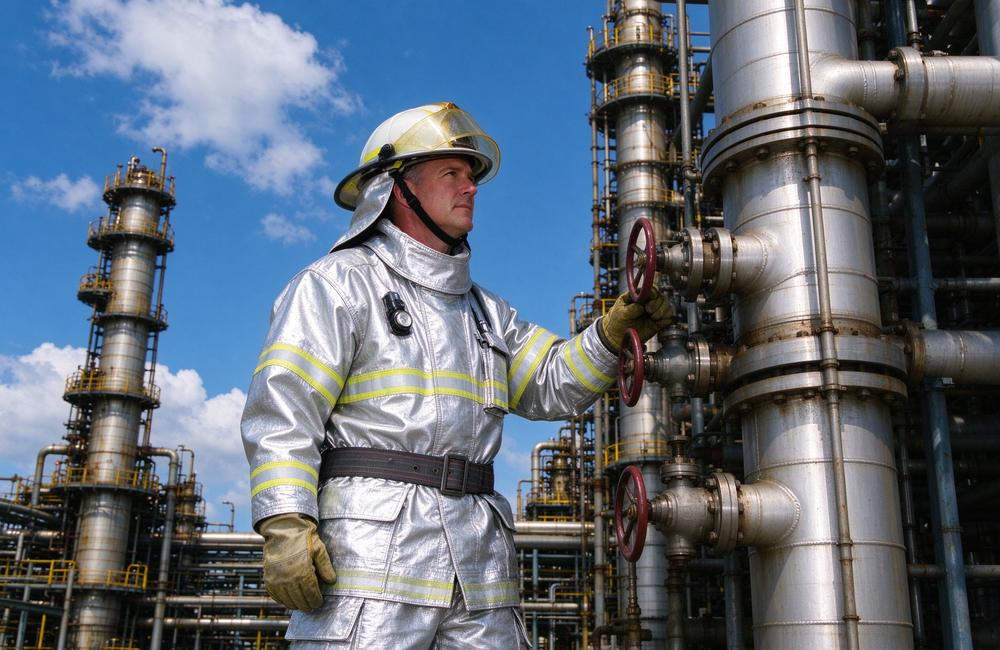
Full-body protection matters more than the jacket alone. The head and hands take the most direct radiant exposure during hot work, so the hood with a clear face shield and the aluminized gloves must match the suit's heat rating. A 3mm anti-fog polycarbonate face shield protects vision while staying clear, and insulated glove linings stop heat from traveling through metal tools. Buyers should order the complete kit and confirm every component carries the same protection level, because the whole ensemble is only as strong as its weakest part.
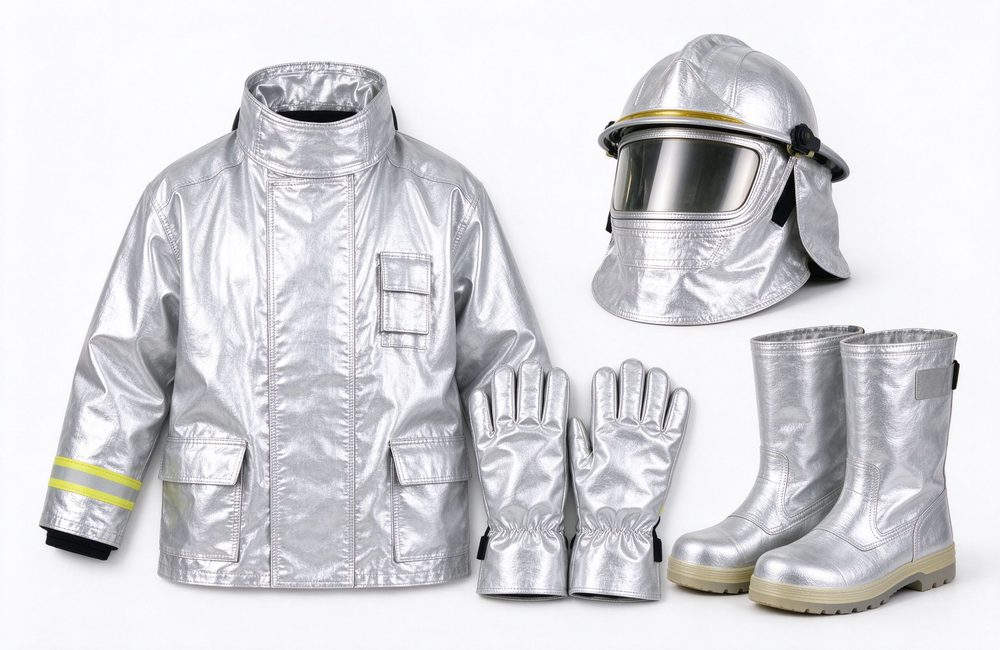
A proximity suit is a heat management system, not a single layer of cloth. The aluminized outer shell reflects radiant energy, but the layers underneath do the real work of keeping skin temperature safe. A flame-resistant substrate supports the reflective coating, and an insulating barrier traps the heat that slips through. Seams are sewn with flame-resistant thread and covered with reflective tape, because a seam is where heat finds its way in. Understanding this layered construction helps buyers compare models on real protection instead of price alone.
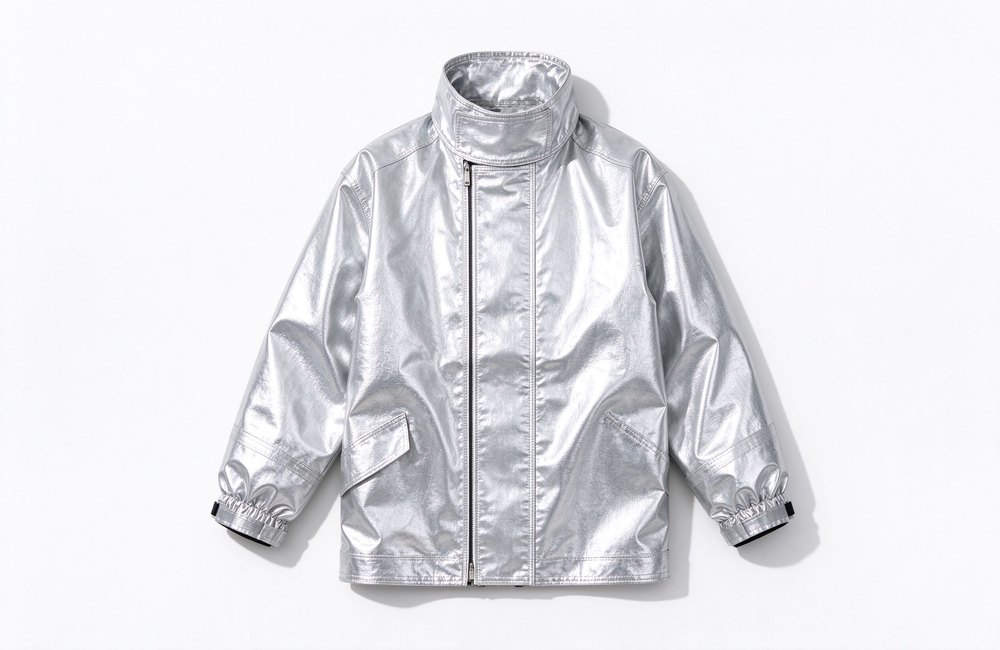
The coating quality decides how long the suit stays protective. A high-vacuum aluminized composite fabric creates a dense, uniform reflective surface that bounces heat away consistently. Inferior coatings look shiny in a photo but peel, flake or oxidize after a few hot work shifts, and a damaged reflective layer absorbs heat instead of reflecting it. When inspecting samples, fold the fabric and rub the surface to test adhesion. A proximity suit is only as good as the bond between its aluminum layer and its flame-resistant base.
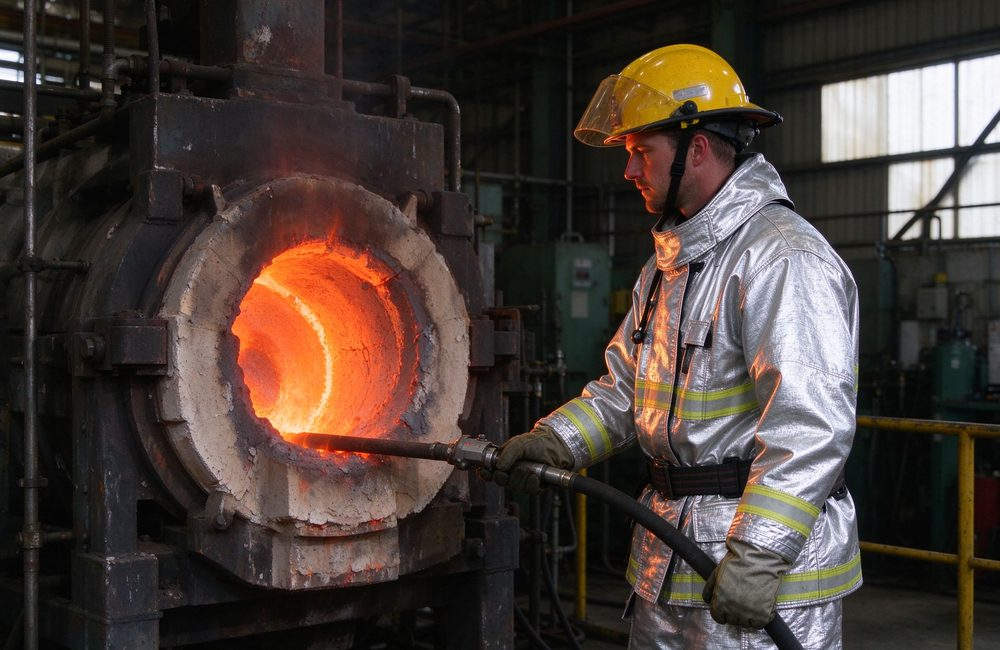
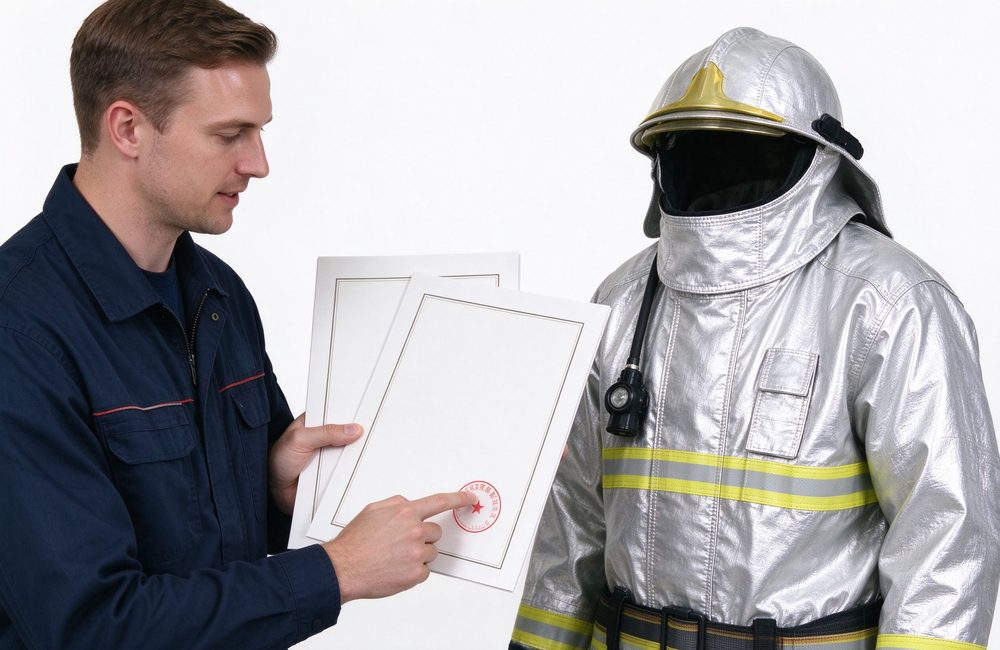
Certification separates a real proximity suit from an ordinary shiny jacket. Chinese buyers should verify GB 38453-2019 heat insulation compliance, and European buyers should check the EN ISO 11612 certificate with the radiant heat level C they need. The test report must name the exact model and current production batch. A supplier that cannot show the certificate before the order is a warning sign. Documented standards are the only reliable proof that a suit will reflect radiant heat in a real refinery emergency.
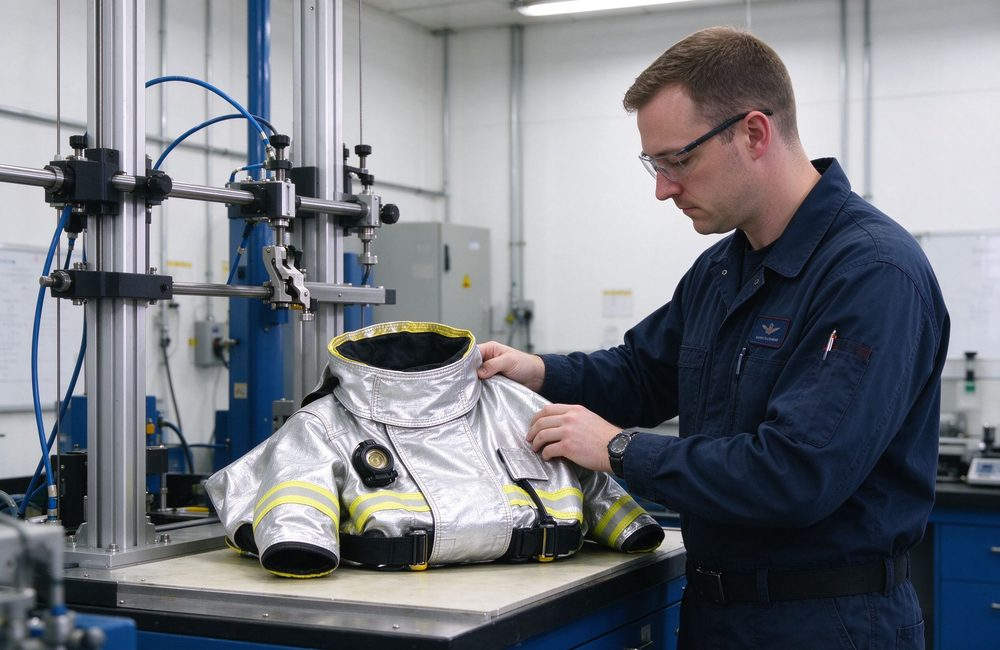
Certification and radiant heat testing prove a proximity suit performs.
A fire proximity suit is an aluminized protective garment designed for work close to intense radiant heat. Unlike ordinary flame-resistant clothing, the proximity suit carries a high-vacuum aluminized outer shell that reflects radiant energy away from the body. In an oil refinery, workers face heat from furnace walls, flare stacks, hot process piping and molten products, and much of that heat arrives as invisible radiation rather than direct flame contact.
The proximity suit works on a simple physical principle. Radiant heat travels as infrared energy, and a bright metallic surface bounces most of that energy back toward the source. The aluminized layer of the fire proximity suit blocks the radiation before it can penetrate the fabric and raise the temperature next to the skin. Beneath the reflective shell, layers of flame-resistant and insulating material trap the small amount of heat that still passes through, giving the wearer a safe working window near a 1000°C heat source.
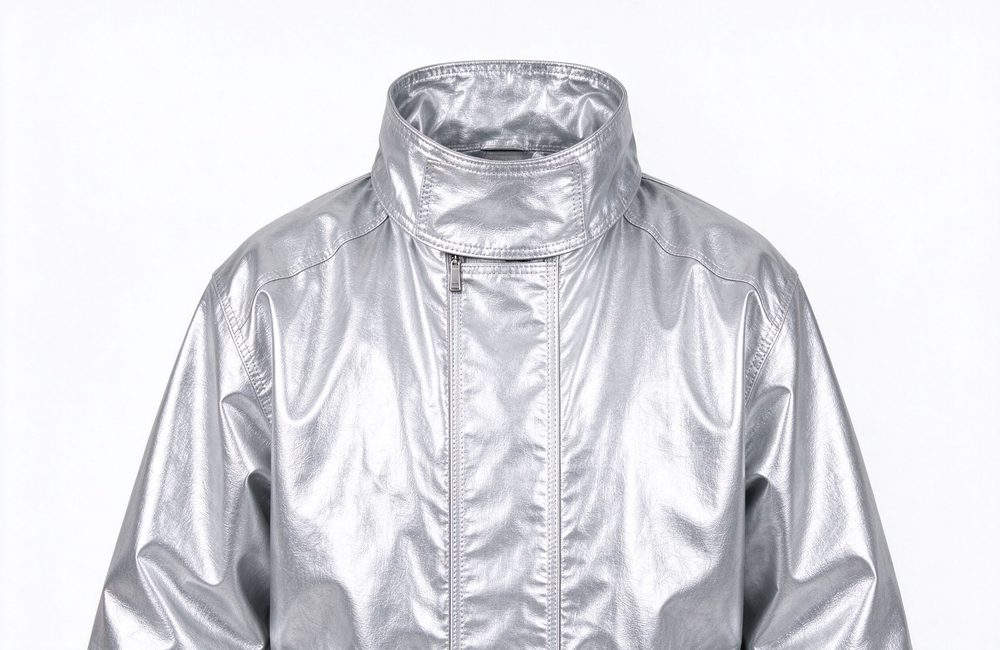
Heat reaches the body in two ways. Radiant heat travels in straight lines, like the glow you feel when standing near a furnace or molten metal. Convective heat travels through hot air and gases, like the blast inside a burning room. A proximity suit is engineered for radiant heat: the metallic surface reflects radiation, so a worker can stay closer to a radiant source for a controlled time. Standard turnout gear, by contrast, is built mainly for convective heat and flame contact.
This distinction explains why refinery crews need a proximity suit rather than an ordinary fire coat. The radiant load near an open furnace is so high that dark fabric absorbs energy quickly and becomes dangerously hot. The aluminized surface keeps the outer fabric cool enough for the worker to approach, perform the task, and withdraw within the rated exposure window.
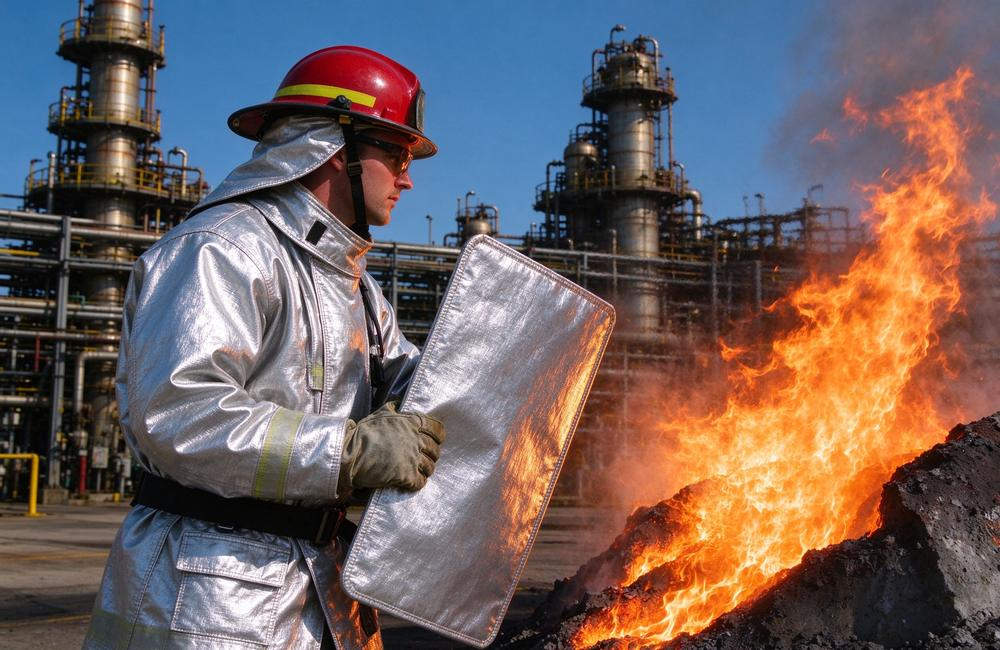
The reflective performance depends on the coating process. Premium proximity suits use a high-vacuum aluminized composite fabric, where a thin metal film is bonded onto a flame-resistant base. Vacuum deposition creates a uniform, dense metallic surface that reflects heat consistently across the whole garment. Cheaper coatings may look similar at first but often peel, flake or oxidize after repeated use, and a damaged reflective surface no longer protects.
When you evaluate a proximity suit, check three details: whether the aluminized layer stays bonded after folding and washing, whether the seams use flame-resistant thread, and whether the face shield is made of impact-resistant material. These small points separate a durable proximity suit from one that fails on the first hot work shift.
Buyers often confuse a fire proximity suit with turnout gear because both look bulky and protective. The two garments serve different jobs, and mixing them up can put workers at risk. Turnout gear protects firefighters entering burning structures, where flame contact and hot gases dominate. A proximity suit protects industrial workers near radiant heat sources, where reflection is the priority.
The temperature ratings tell the story. Typical turnout gear is designed for structural firefighting with flame and convective exposure, while industrial proximity suits are rated for radiant heat of 1000-1300°C. The construction differs too: proximity suits carry the reflective aluminized shell, while turnout gear relies on thick thermal liners and moisture barriers instead.
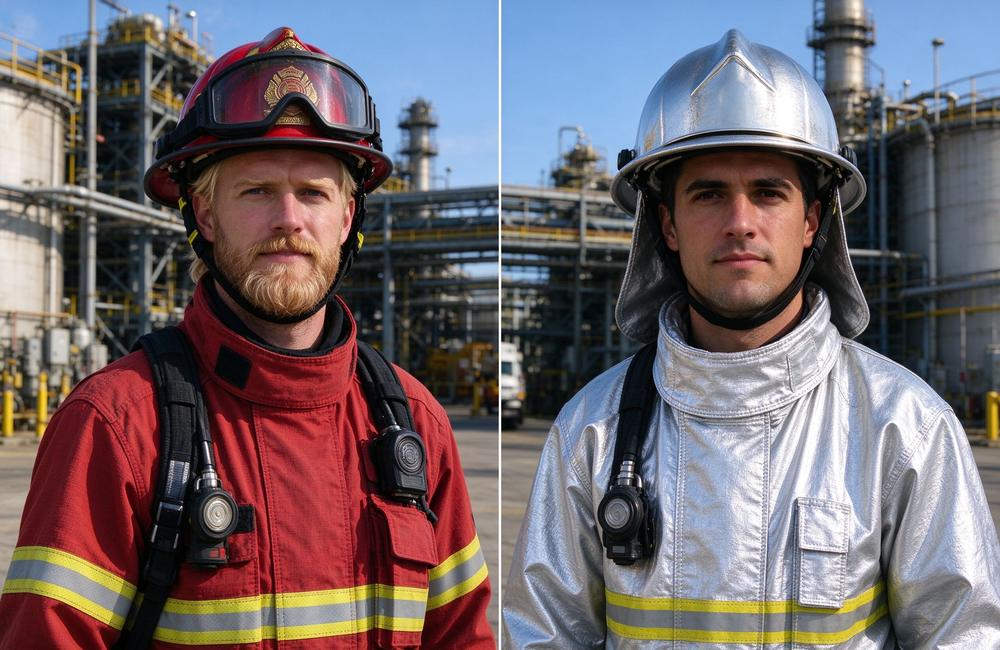
The table below summarizes the practical differences buyers should know before selecting either garment for a refinery or fire service team. It compares primary hazard, exposure time, outer fabric, weight and typical use, so a safety manager can match the suit to the task instead of the catalog. Keep this comparison when discussing specifications with your supplier.
Feature
Fire Proximity Suit
Turnout Gear
Primary hazard
Radiant heat from furnaces, molten metal, hot surfaces
Flame contact, convective heat, hot gases
Key protection layer
Aluminized reflective shell
Thick thermal liner with moisture barrier
Typical radiant rating
1000-1300°C radiant heat reflection
Structural fire levels, lower radiant intensity
Typical use
Refinery turnaround, smelting, foundry, glass plants
Building fires, vehicle fires, rescue
Working style
Short controlled exposure near heat source
Extended interior attack with breathing apparatus
Face protection
Impact-resistant reflective hood with face shield
Integrated helmet with shield system
Reference standards
GB 38453-2019, XF 634-2015, EN ISO 11612
NFPA 1971, EN 469, GA 10-2014
Ratings depend on the specific model. Confirm the certification documents for the exact suit you buy.
The takeaway is simple: match the garment to the hazard. Refinery hot work near radiant sources calls for the aluminized proximity suit, while structural fire response calls for turnout gear.
Refinery hot work involves radiant sources in the 1000-1300°C range, such as furnace flames, molten metal and heated equipment surfaces. The proximity suit reflects that radiation, so the fabric stays below a safe skin-contact temperature for the rated time. Turnout gear, in comparison, is tested against flame impingement and convective heat at structural fire levels, which are lower in radiant intensity.
Each suit has its own field. Use proximity suits for refinery turnarounds, smelter maintenance, glass and ceramics plants, and other tasks near radiant sources. Use turnout gear for structural firefighting. A team working inside a refinery needs proximity suits for hot work and may still keep turnout gear for emergency response, but the two should never be swapped.
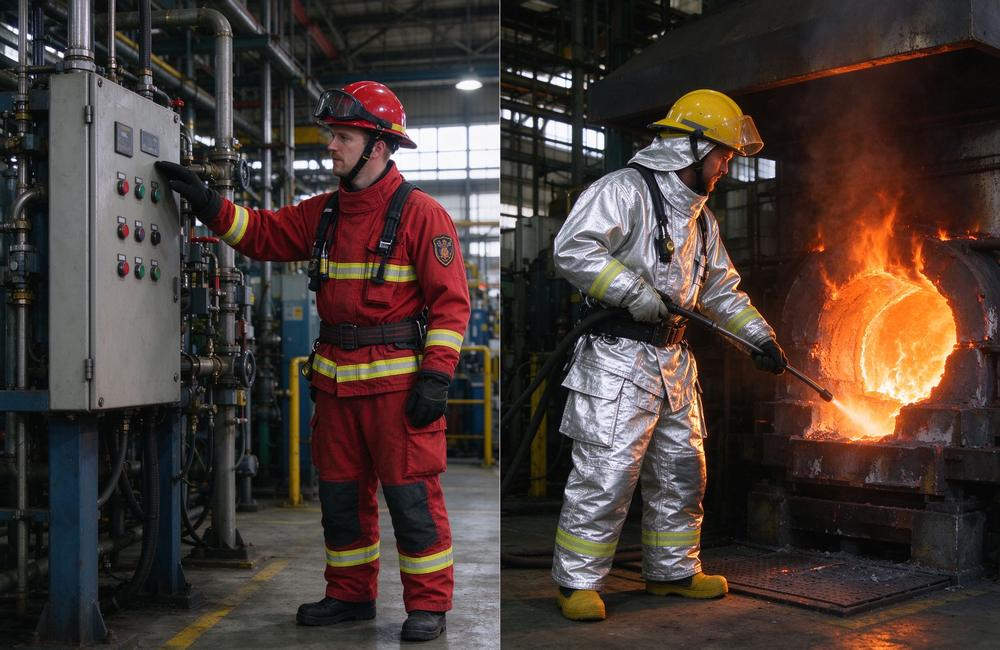
Choose a proximity suit when the task places the worker near a radiant heat source, even if no flame is visible. Typical jobs include furnace inspection, burner maintenance, hot bolt replacement, ladle work, and work near flare stacks. Choose turnout gear for building fires, vehicle fires and structural rescue, where smoke, flame and hot gases are the main hazards.
Some suppliers offer both lines, and a responsible procurement team keeps both in stock. The decision should follow the hazard assessment, not habit. If the crew works near molten metal or furnace radiation, the correct answer is the aluminized proximity suit.
The silver shell on a proximity suit is not decoration. Aluminized fabric is a precision product built from a flame-resistant base cloth, a vacuum-deposited aluminum layer, and a protective finish. The result is a garment that reflects up to most of the radiant heat hitting its surface. Fabric quality determines how long that reflection lasts, which is why the coating process matters as much as the fiber underneath.
Premium proximity suits use aluminized composite fabric that resists peeling, flaking and oxidation. A stable reflective layer keeps working shift after shift. Lower-cost fabric may show shiny results in a brochure but quickly degrade under heat cycling, folding and contact with refinery chemicals. When you inspect samples, fold the fabric and rub the surface to check coating adhesion.
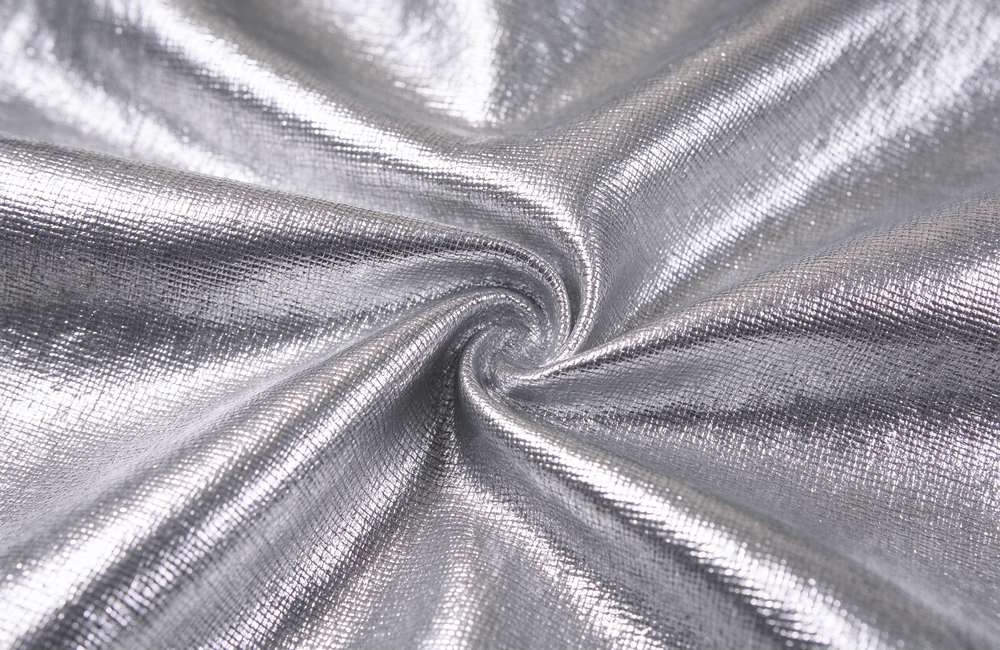
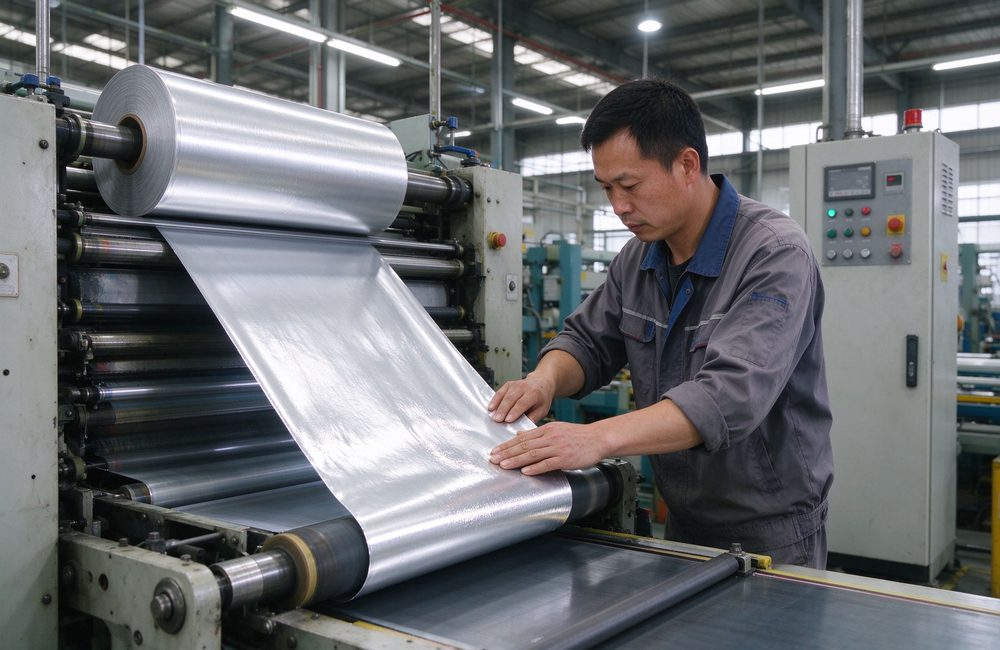
Two methods dominate the market. Vacuum metalizing deposits aluminum onto the fabric in a controlled chamber, creating a dense, even reflective layer. Transfer lamination bonds a pre-made aluminum film to the base cloth. Both can work, but vacuum deposition generally gives a more uniform surface and better adhesion over the garment's life.
The base fabric matters equally. Quality proximity suits combine the aluminized layer with a flame-resistant substrate and a thermal barrier inside, so the suit resists both radiation and incidental flame contact. Seams are stitched with flame-resistant thread and often covered with reflective tape, because a seam is the first place heat finds a way through.
A proximity suit loses protection when the reflective layer is damaged. Look for peeling, flaking, oxidation, crease cracks, burns or delamination of the aluminized surface. A suit with visible damage must be retired, because the damaged area absorbs heat instead of reflecting it. Most teams inspect the aluminized shell before every hot work shift and retire suits after major incidents or heavy chemical contamination.
Store proximity suits folded or on hangers in a clean, dry area away from direct sunlight and sharp objects. Avoid crushing the reflective layer under heavy equipment, and keep suits separate from oily tools. Good care extends the service life and keeps every worker protected.
Certification is the core proof of a proximity suit. Buyers should match the suit to the standard that applies in their market. Chinese suppliers commonly build industrial proximity suits to GB 38453-2019 for heat insulation, XF 634-2015 for firefighter proximity protection, and GB 8965.1-2020 for flame-resistant clothing. European buyers usually reference EN ISO 11612, with protection levels such as A1 B1 C3 D3 E3 F3 for flame spread, convective heat, radiant heat, molten metal splash and more.
Do not accept a certificate for a different model. The standard and the accompanying test report must name the exact garment you are buying. A reputable supplier provides the certificate, the test report and the fabric data sheet together, and a procurement team should verify these documents before a bulk order.
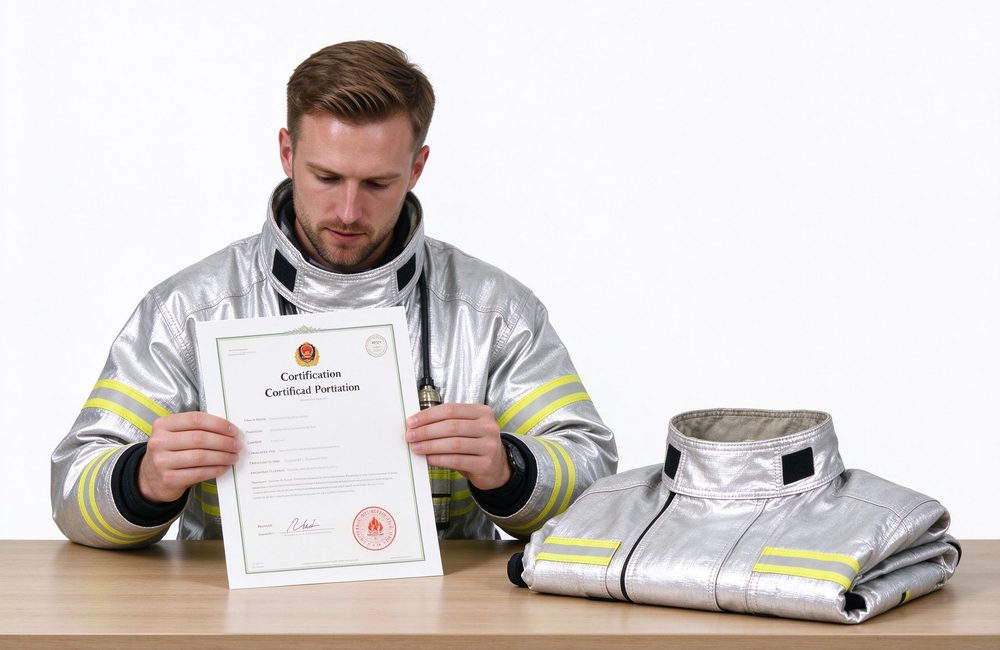
The comparison below shows which standard to reference for different markets and what each certificate proves. GB 38453-2019 covers heat insulation performance for proximity suits in China, while EN ISO 11612 defines flame resistance levels accepted across Europe. Check the model number on the certificate against the garment label before purchase.
Standard
Market
What It Covers
Key Level to Check
GB 38453-2019
China
Heat insulation protective clothing for industrial hot work
Radiant heat insulation performance
XF 634-2015
China
Firefighter heat insulation clothing for proximity operations
Proximity protection requirements
GB 8965.1-2020
China
Flame-resistant protective clothing baseline
Flame resistance and construction
EN ISO 11612
Europe
Clothing to protect against heat and flame
Level codes A1 B1 C3 D3 E3 F3
EN ISO 11611
Europe
Clothing for welding and allied processes
Class 1 or Class 2 protection
Level codes in EN ISO 11612 define flame spread (A), convective heat (B), radiant heat (C), molten metal splash (D) and contact heat (F).
For proximity work, the radiant heat level C is the number that matters most. A suit marked only for flame spread is not a proximity suit, so read the level codes carefully before purchase.
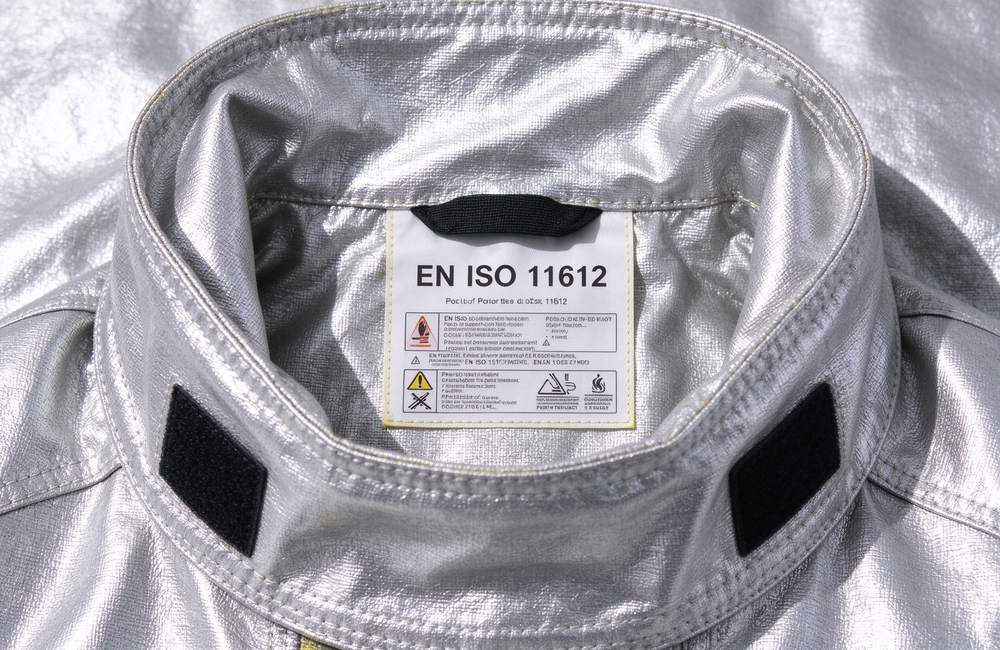
GB 38453-2019 is the Chinese standard for heat insulation protective clothing. It sets requirements for the fabric, thermal insulation performance and construction of garments worn near high-temperature processes. A proximity suit that meets GB 38453-2019 has documented performance for radiant heat insulation, which is exactly what refinery hot work demands.
Related Chinese standards complete the picture. XF 634-2015 covers firefighter heat insulation clothing for proximity operations, and GB 8965.1-2020 sets the baseline for flame-resistant protective clothing. When a supplier states compliance, ask for the test report issued by an accredited laboratory, not just a brochure claim.
The Chinese national standard system publishes current versions of protective clothing standards online, and European buyers can verify EN ISO 11612 details through the official standards organizations (national standard public service platform and CEN/CENELEC).
European buyers should look for EN ISO 11612, the standard for clothing to protect against heat and flame. The standard defines letter codes for each hazard: A for flame spread, B for convective heat, C for radiant heat, D for molten metal splash, E for molten aluminum splash and F for contact heat. A suit rated A1 B1 C3 D3 E3 F3, for example, meets the highest radiant heat level C3 and molten metal protection, making it suitable for foundry and refinery work.
When exporting proximity suits to Europe, confirm the EN ISO 11612 certificate covers the full level set you need. The radiant heat level C is the key number for proximity work. A suit with only flame spread certification is not a proximity suit, whatever the marketing materials say.
The largest demand for fire proximity suits comes from refinery turnarounds. During a turnaround, a plant shuts down units for inspection, repair and upgrade, and crews work inside furnaces, reactors and exchangers that were recently operating at extreme temperatures. Residual heat and the need to work near hot equipment make the aluminized proximity suit the default protective layer for many jobs.
Turnaround crews face a mixture of hazards: radiant heat from adjacent running units, hot bolts and piping, chemical residue, and confined spaces. The proximity suit handles the radiant load, while flame-resistant underlayers and respiratory protection cover the rest. A complete job plan matches each task to the right suit and the right exposure time.
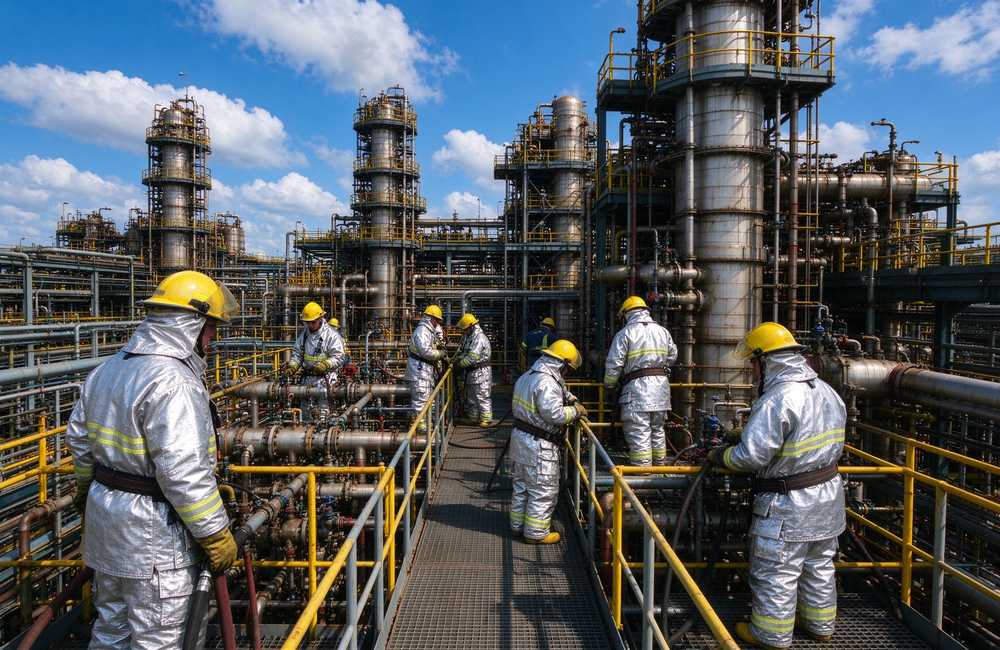
Inside a refinery, radiant heat sources are everywhere during maintenance. Furnace walls radiate heat even after shutdown, flare systems remain hot, and neighboring units keep running during partial turnarounds. Workers also deal with hot surfaces, steam, hydrocarbons and confined space entry. The proximity suit protects against the radiant component, while other PPE covers the rest of the hazard list.
Workers commonly complain that reflective suits are hot to wear. That is expected: the proximity suit traps heat inside while reflecting heat from outside. Task planning should keep exposure short, rotate crews through hot work zones, and schedule the heaviest work for cooler periods. The suit is one layer in a system that includes work rotation and proper hydration.
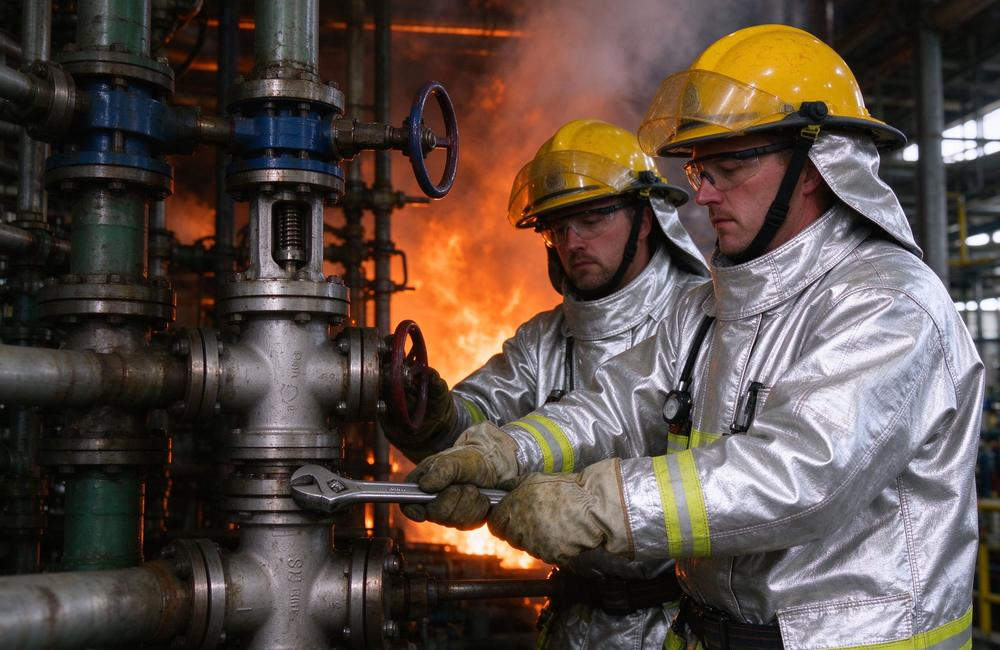
Every proximity suit has a working window. The rated protection applies to a defined exposure time and radiant heat level, beyond which the fabric absorbs enough heat to become dangerous. Supervisors should set work intervals, rotate personnel and enforce rest periods. The exact limit depends on the suit's insulation layers and the radiant intensity of the source, so follow the manufacturer's guidance and the job hazard analysis.
Do not rely on feel to judge safety. A worker inside a reflective suit may not notice rising fabric temperature until it is too late. Use a time-based schedule, spot-check fabric temperature between tasks, and pull any worker whose suit shows heat discoloration or damage.
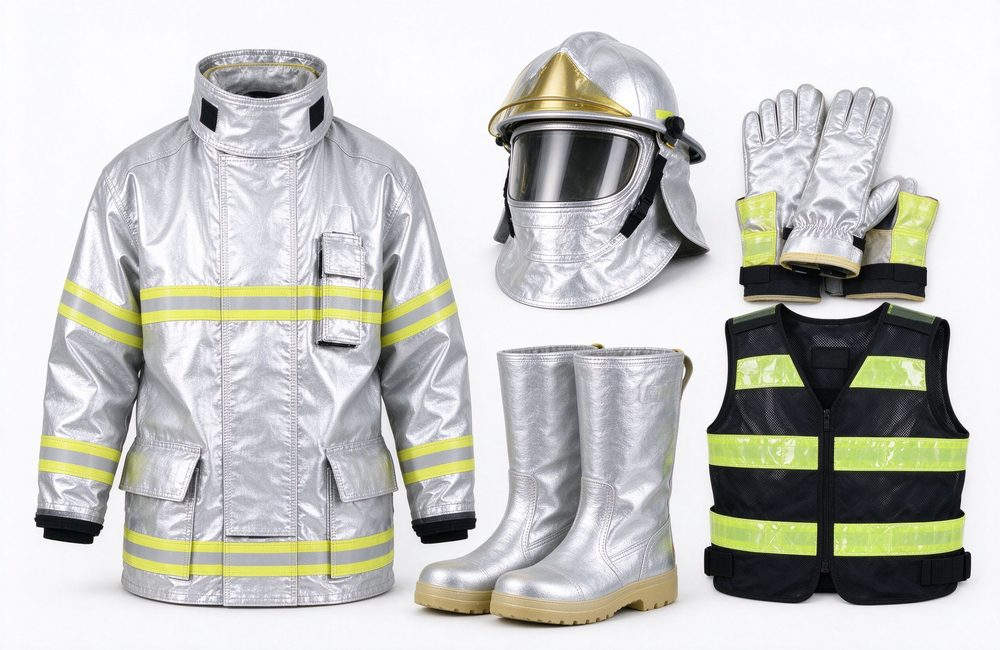
A fire proximity suit is a system, not a single jacket. The complete kit includes the aluminized coat, trousers or coverall, a hood with a face shield, aluminized gloves, boot covers and often a self-contained breathing apparatus. Every component blocks radiant heat at a different point, and a gap anywhere on the body is a burn waiting to happen.
When you order proximity suits for a refinery team, specify the full kit and confirm each piece matches the suit's heat rating. The hood and gloves are especially critical, because the head and hands take the most direct radiant exposure during hot work. A matching SCBA or air-fed system completes the ensemble where smoke or vapor is present. For a complete range of protective clothing for fire teams, explore our firefighter clothing wholesale options.
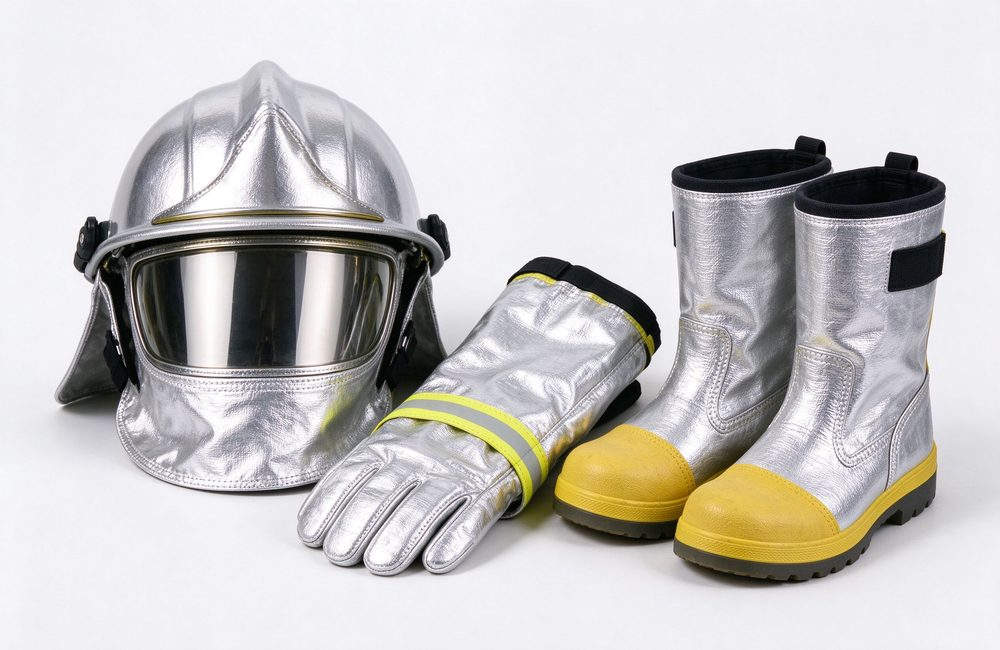
The head and hands face the highest radiant intensity in any hot work position. A proximity hood with a face shield protects the face and neck, while aluminized gloves protect the hands during tool work near heat sources. If the hood or gloves are rated lower than the suit, the worker's exposure limit is set by the weakest component.
Quality details matter here. The face shield should be impact-resistant and clear, often a 3mm polycarbonate panel with anti-fog treatment. Gloves should combine the aluminized shell with insulated lining so contact with hot tools does not transfer heat instantly. Check that the hood fits over the hard hat and that gloves seal the coat sleeves.
Refinery hot work often occurs in atmospheres where respiratory protection is mandatory. Many proximity suits are designed with a back opening for an SCBA cylinder, so the breathing apparatus fits under the aluminized shell. Confirm the suit's back opening size against your SCBA brand and cylinder dimensions before ordering in bulk.
If your team uses supplied-air systems instead of SCBA, check that the suit has compatible pass-throughs for the air line. Also confirm the hood accepts the respirator or breathing mask. A mismatch between suit and breathing apparatus is a common procurement mistake that costs time on site.
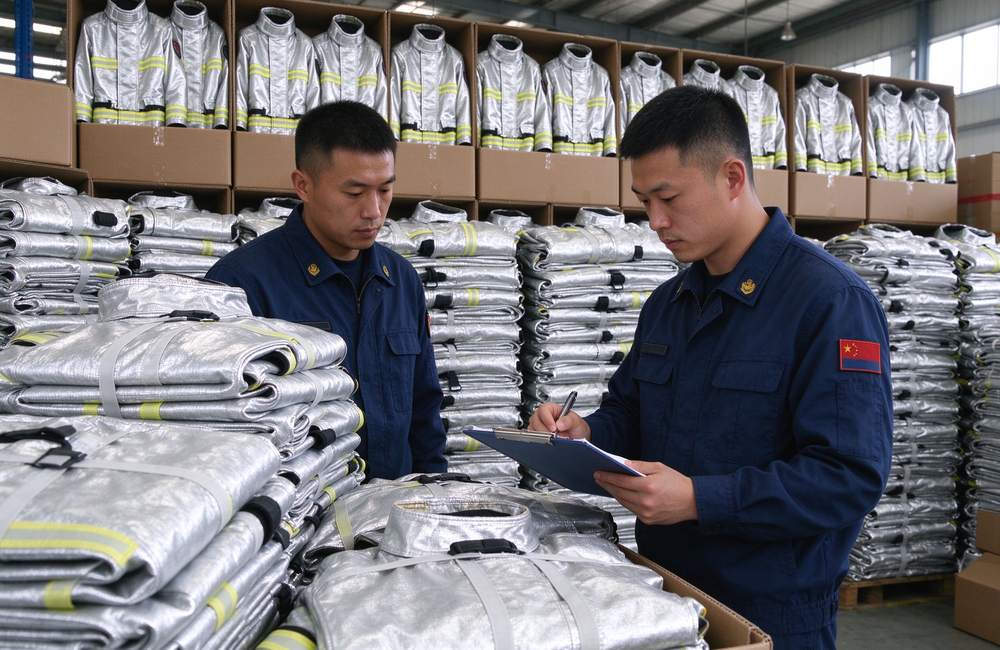
Buying proximity suits in bulk is a high-stakes purchase, and the supplier decides whether the garments actually protect. Start with documentation: the certificate and test report must name the exact model you intend to buy. Then inspect the fabric, request a sample, confirm the size matrix, and agree on delivery terms in the contract.
Work with suppliers who build proximity suits regularly, because the production process for aluminized fabric is specialized. A general workwear factory may not control coating quality, seam construction and heat testing to the standard your workers need. Ask direct questions about coating method, base fabric, testing and lead time.
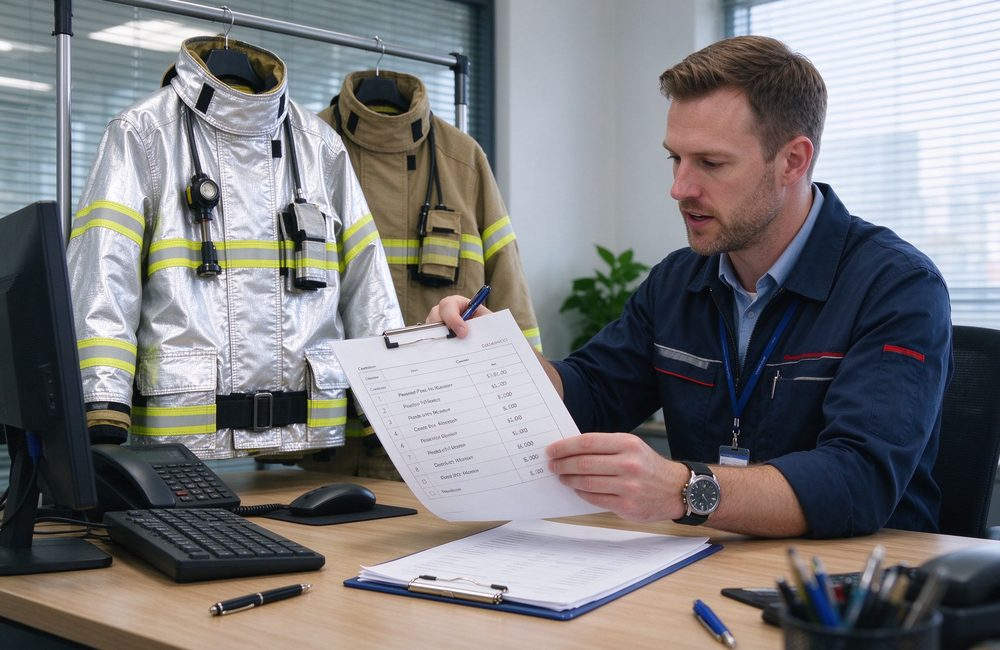
The checklist below turns supplier evaluation into a repeatable process for safety managers and procurement teams. Work through certificate verification, fabric inspection, sample testing and documentation in order, and record the result for every candidate so quotes are compared on identical terms.
Check Item
What to Verify
Red Flag
Certificate
Standard name, model number, protection levels match the garment label
Brochure claim without test report
Test report
Accredited laboratory, current production batch
Expired or unverifiable report
Aluminized fabric
Coating adhesion, no peeling or flaking after folding
Shiny surface that rubs off
Seam quality
Flame-resistant thread, reflective tape, even stitching
Ordinary thread, loose seams
Sample
Actual fit, mobility and visibility for your crew
Sample differs from production
Size matrix
L-XXXL coverage matches your team measurements
Limited sizes, vague chart
Lead time and order size
Delivery date and minimum quantity agreed in contract
Verbal promises only
Always put the sample standard, inspection terms and delivery schedule in the written contract.
Run every prospective supplier through this checklist once, and you will eliminate most sourcing problems before they reach the warehouse. The certificate, the sample and the contract together form the protection a refinery buyer needs before committing to a bulk order.
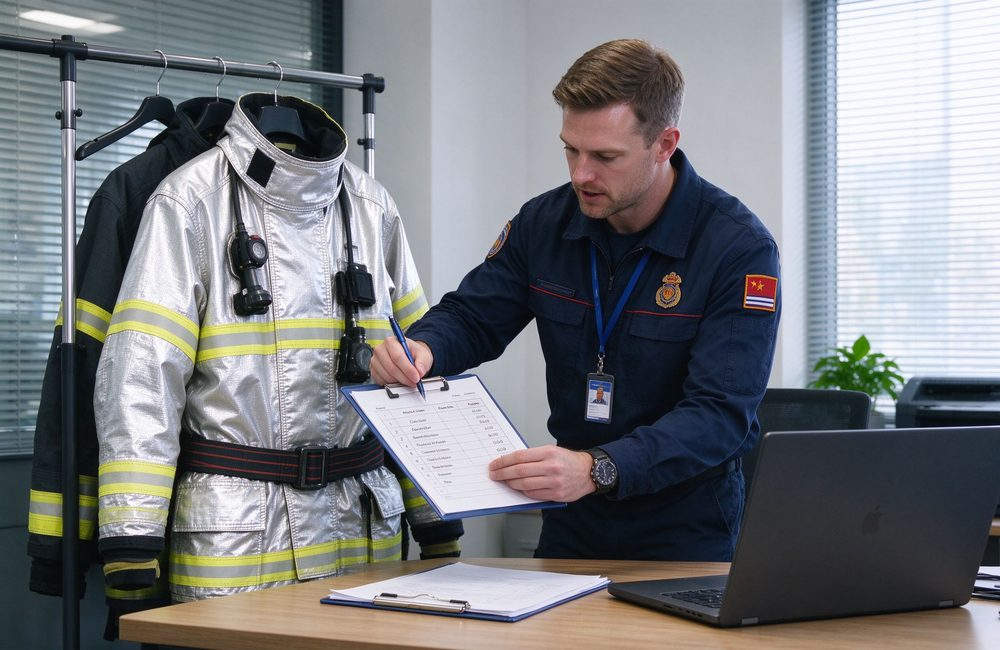
Every proximity suit model should be backed by a certificate and an accredited laboratory test report. Verify the standard name, the protection levels and the model number on the document. Compare the certificate against the actual garment label. If the supplier cannot provide the certificate before the order, treat it as a warning sign.
For Chinese standards, ask for GB 38453-2019 or XF 634-2015 test reports. For European exports, request the EN ISO 11612 certificate with the level codes you need. Also ask whether the certificate covers the current production batch, because standards and test reports are tied to specific manufacturing runs.
A sample protects the buyer. Order one suit first, inspect the aluminized coating, check the stitching and try the fit on your workers. If possible, test the suit in the actual work position to confirm mobility and visibility. Sample testing is cheap compared with a full bulk order that fails in service.
Ask the supplier how the sample will differ from production pieces, especially in fabric lot, color and trim. Confirm the sample reflects the standard of the batch you will receive. A sample that looks better than production is a common export complaint, so put the sample standard in the contract.
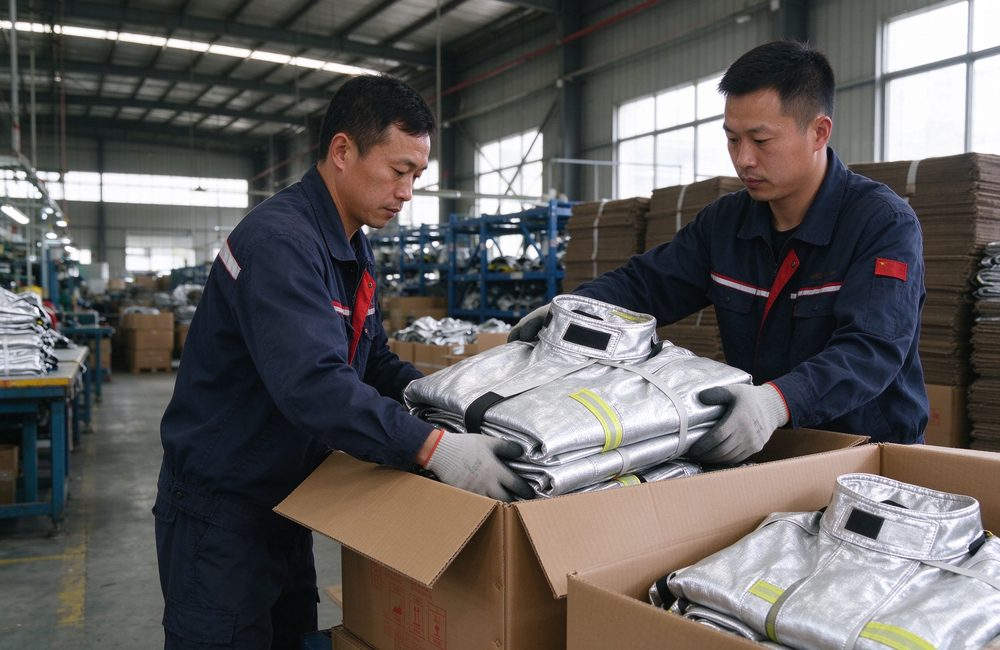
Refinery teams, safety equipment distributors and government procurement programs buy proximity suits in bulk. A wholesale order should fix the model, the standards, the size breakdown and the delivery schedule in writing. Clear specifications prevent disputes, and agreed inspection terms protect both sides.
Bulk pricing depends on quantity, customization and lead time. Distribute the size matrix across the team's actual measurements rather than guessing, and order spare suits for damaged units. A working inventory plan keeps crews protected through the whole turnaround season.
Most proximity suit suppliers offer customization. Refinery teams commonly request logo printing, reflective trim, pocket layouts, special sizes and SCBA back opening adjustments. Confirm the customization options, minimum quantities and extra lead time before ordering, and record every agreed detail in the contract.
Customization should not compromise certification. When the design changes, confirm whether the modified suit still carries the original certificate or needs re-testing. A logo or pocket change is usually cosmetic, but structural changes such as material swaps or seam redesign can affect performance and documentation.
A fire proximity suit is aluminized protective clothing worn for work close to radiant heat sources such as refinery furnaces, hot piping and molten metal. Its reflective outer layer bounces radiant heat away and protects workers during short-duration hot work.
Turnout gear protects against flame contact and convective heat in structural firefighting at roughly 200°C levels. A proximity suit uses an aluminized reflective shell for radiant heat up to 1000-1300°C, so it is built for industrial hot work near furnaces and molten metal.
Chinese suppliers commonly build proximity suits to GB 38453-2019 for heat insulation, XF 634-2015 for firefighter proximity protection, and EN ISO 11612 with levels such as A1 B1 C3 D3 E3 F3 for European buyers. Always confirm the exact standard and test report for each model.
Yes. A high-vacuum aluminized coating reflects most radiant heat before it reaches the fabric layers underneath. The key is coating quality: premium aluminized fabric resists peeling, flaking and oxidation so the reflective layer keeps working.
No. A complete proximity kit includes the coat, trousers or coverall, hood with face shield, gloves, boot covers and often an SCBA. Wearing only the jacket leaves the head, hands and feet exposed, which are the first areas to suffer radiant heat injury.
Typical industrial proximity suits protect against radiant heat of 1000-1300°C and short flame contact above 1000°C. Contact heat is different from radiant heat, so check the fabric layers and the specific standard levels for your application.
Replace a proximity suit when the aluminized layer shows peeling, flaking, oxidation, crease cracks, burns or delamination. A damaged reflective layer no longer bounces heat away and the suit must be retired.
In refinery hot work with smoke, vapors or low oxygen, an SCBA or air-fed system is required. Some proximity suits are made with a back pack opening for an SCBA cylinder. Confirm the suit is compatible with your breathing apparatus before ordering.
Oil refineries, petrochemical plants, cement kilns, power plants, metal smelting, foundries, glass and ceramics production, and fire departments use proximity suits for hot work near furnaces, molten metal and radiant heat.
Ask for the certificate and test report for the exact model, check the aluminized fabric construction, request a sample, confirm the size matrix and lead time, and verify bulk pricing. Treat the certificate as the core proof, not the brochure.
Industrial proximity suits usually run L to XXXL. For example, an L fits height 170-175 cm and chest 104-108 cm, XL fits 175-180 cm, XXL fits 180-185 cm, and XXXL fits 185-200 cm. Confirm the supplier size chart against your team measurements.
Yes. Refinery teams often request logo printing, reflective trim, pocket layouts and special sizes. Confirm customization options, minimum quantities and lead time with the supplier and put agreed terms in the contract.
Store proximity suits folded or on hangers in a clean, dry area away from direct sunlight and sharp objects. Avoid crushing the aluminized layer, and inspect the reflective surface before every hot work shift.
No. A fire entry suit is built for brief entry into flame zones and can withstand direct flame contact for seconds. A proximity suit is for working near radiant heat sources for longer periods. They are different protection levels for different tasks.
 |
|
Freundliche Links :
Urheberrechte © © Custom Disaster - Relief Bedding: Tents, Sleeping Bags, Blankets Alle Rechte vorbehalten
das professionelle Team zum Service !