Kategorien
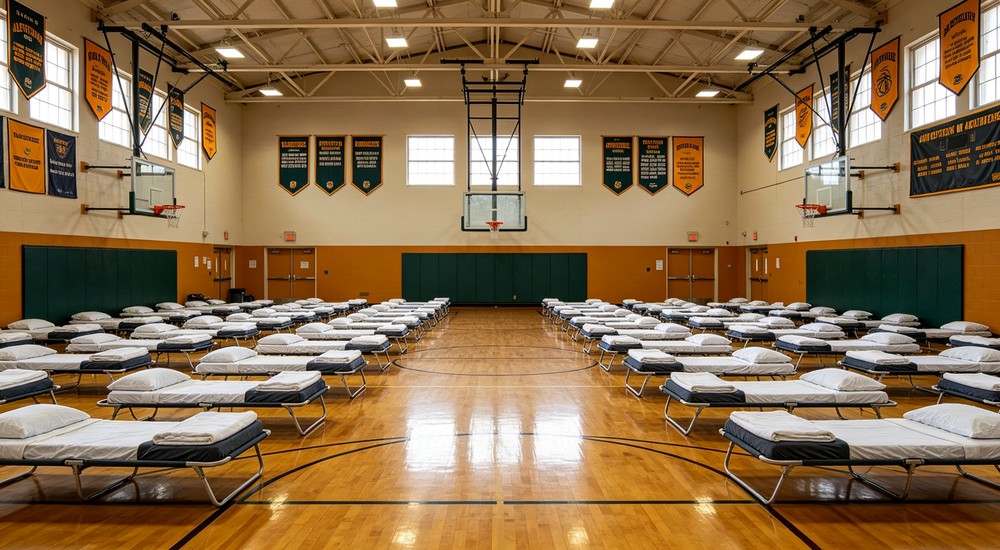
Choosing the wrong bedding material for temporary accommodation leads to damp sheets, slow turnover, and frustrated staff. Cotton offers skin feel and moisture absorption, polycotton balances comfort and easy care, and polyester maximizes durability and drying speed. This guide helps bulk cotton bedding supplier and wholesale cotton bedding and bulk buyers compare all three fairly—across shelters, dormitories, refugee camp bedding and refugee camps, homeless shelter bedding supplies, transitional housing, humanitarian aid programmes, and emergency housing—rather than assuming one fibre is automatically best. Whether you are sourcing for a temporary accommodation bedding material specification, a school dormitory, or a disaster relief bedding response, the right material reduces complaints and replacement costs across every temporary accommodation site you manage. When comparing cotton vs polycotton sheets or evaluating cotton vs polyester sheets which is better, the answer depends on your facility's drying capacity and stay duration.
Main Difference: Construction
When to Start With Cotton
When Polycotton Balances Best
When to Start With Polyester
Feel, Moisture & Drying
Washing Frequency & Post-Care
Component-Level Selection
Climate & Duration
Fair Comparison & Mistakes
Quotation & Selection
Care, Replenishment & Substitutes
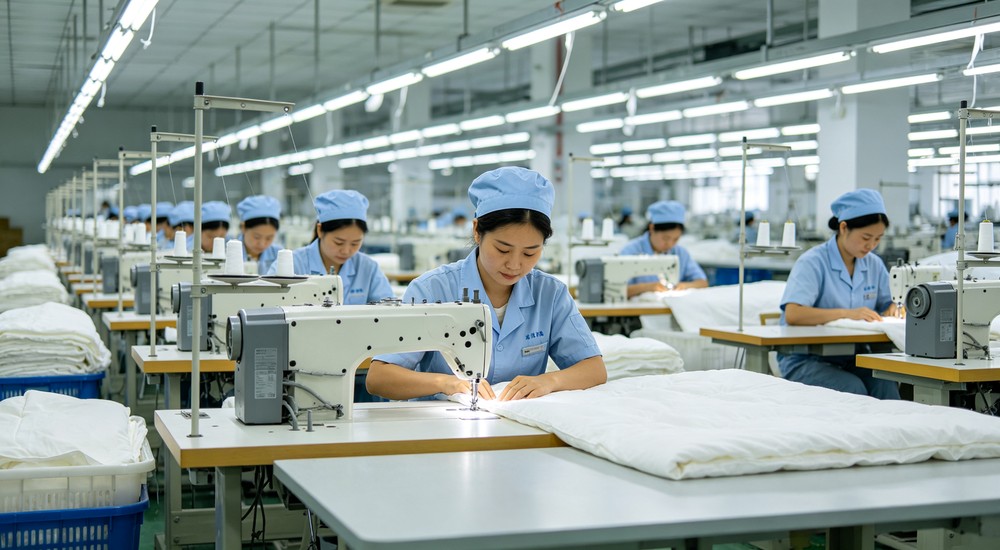
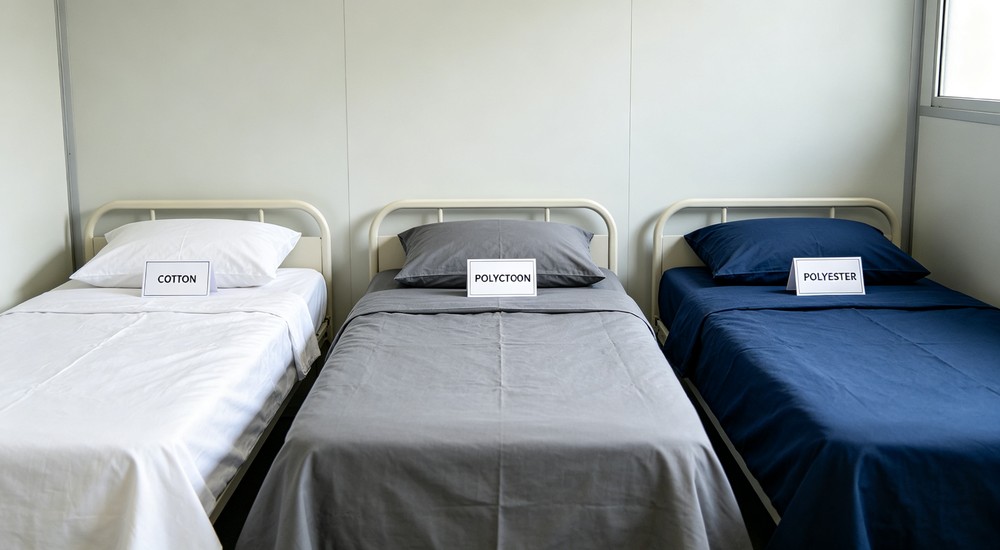
Quick Answer: For most temporary accommodation, emergency shelter operations, and humanitarian relief programs, polycotton 60/40 polycotton blend at 150-160 GSM is widely considered the best bedding material for shelters. It balances skin feel, fast drying, and durability. Choose breathable natural fibre and hypoallergenic bedding fabric for longer-stay dormitories with good drying capacity, and polyester for humid settings with limited spare sets.
Quick Decision: Start with cotton when skin feel and moisture absorption lead and adequate drying is available. Choose polycotton for most shelter and dormitory bulk orders that need frequent washing with reasonable comfort. Select polyester for humid settings, limited spare sets, or maximum durability. Always test actual samples under your wash and dry conditions before confirming.
|
At a Glance |
Cotton |
Polycotton |
Polyester |
|
Best for |
Long stays, good drying |
Most shelter/dorm use |
Humid, high turnover |
|
GSM range |
150-200 |
130-180 |
100-150 |
|
Drying time |
Slowest |
Medium |
Fastest |
|
Shrinkage |
3-5% |
1-3% |
<1% |
|
Spare sets/bed |
2.5-3 |
1.5-2 |
1-1.5 |
|
Replacement cycle |
6-12 mo |
12-18 mo |
18-24 mo |
|
Scenario |
First Choice |
Backup |
Key Reason |
|
Long-stay dormitory, good drying |
Cotton |
Polycotton 50/50 |
Skin feel and breathability lead |
|
High-turnover emergency shelter |
Polycotton 60/40 |
Polyester |
Balance of comfort and fast drying |
|
Humid tropical, limited drying |
Polyester |
Polycotton 80/20 |
Fastest drying, mildew resistance |
|
Cold winter, indoor heating |
Cotton or polycotton |
Polyester blend |
Warmth, static control |
|
Short-stay crisis response |
Polyester |
Polycotton |
Rapid setup, minimal care |
|
Refugee camp, outdoor drying |
Polycotton 60/40 |
Polyester |
Sun-drying friendly, durable |
Key Takeaways:
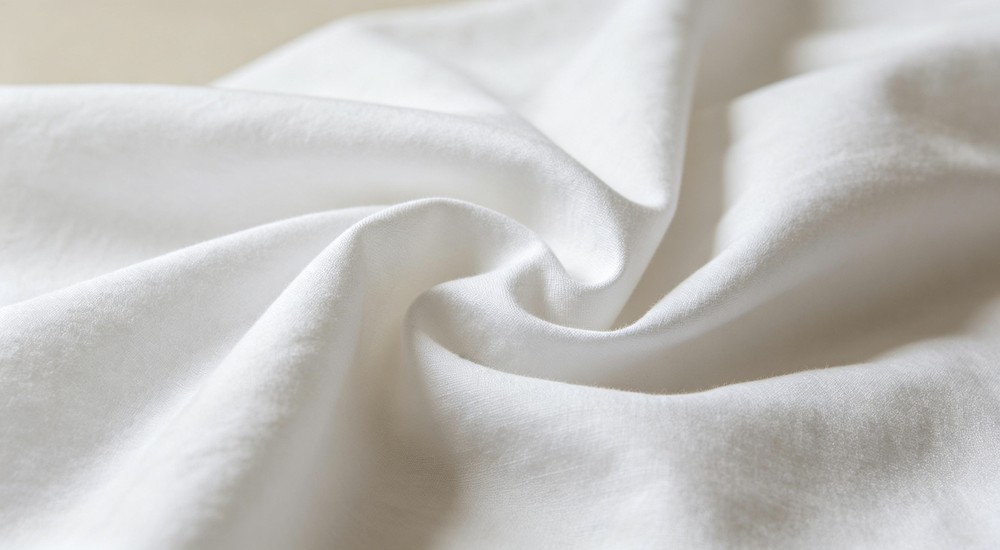
Understanding cotton polyester blend bedding starts with knowing each fibre's properties.
Cotton bedding usually gives more weight to skin contact and moisture absorption. It breathes well, feels natural against skin, and absorbs perspiration—but it takes longer to dry and may shrink after washing. For temporary accommodation bedding with high turnover, this drying time directly affects how many spare sets you need.
Polycotton bedding blends cotton and polyester fibres, commonly in 50/50, 60/40, or 80/20 ratios. The blend aims to keep cotton's reasonable skin feel while adding polyester's faster drying and better dimensional stability. This is why polycotton is often the default for wholesale bedding fabric and commercial laundry durable fabric in shelters and dormitories. For bulk bedding orders across multiple temporary accommodation sites, polycotton reduces logistics complexity because one material can serve both high-turnover shelter zones and longer-stay dormitory zones.
Polyester bedding is the most durable and fastest-drying option. It resists shrinkage, holds colour well, and dries quickly even in humid conditions. However, it may feel less breathable in warm settings and can trap moisture against skin if the weave is too dense.
|
Factor |
Cotton |
Polycotton |
Polyester |
|
Skin feel |
Best, natural and breathable |
Good, softer than polyester |
Acceptable, may feel synthetic |
|
Drying time |
Slowest |
Moderate |
Fastest |
|
Shrinkage |
3-5% first wash |
Low to moderate |
Minimal |
|
Durability |
Moderate |
Good |
Highest |
|
Best for |
Longer stays, good drying |
Most shelter/dormitory use |
Humid settings, high turnover |
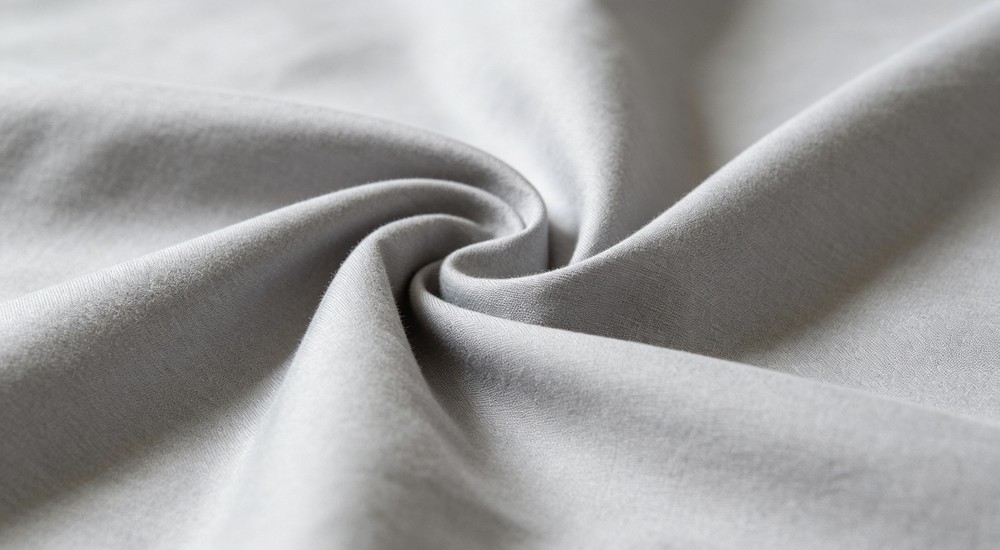
Compare cotton bedding for shelter and longer-stay use first when skin contact and moisture absorption carry more weight than pure durability. Look for durable cotton bedding with reinforced hems if the facility has high turnover. This includes longer-stay dormitories, recovery centres, and settings where residents spend extended hours in bed.
Cotton works well when drying capacity is adequate—either through sufficient drying space, commercial dryers, or favourable climate. In these conditions, slower drying is manageable, and residents benefit from better breathability and natural skin feel.
For bulk bedding orders, confirm whether the cotton is pre-shrunk. The cotton shrinkage percentage typically ranges 3-5% after the first wash, which changes sheet coverage and fitted sheet pocket depth. Always test post-wash dimensions before confirming the order. This applies to both flat sheet coverage and fitted sheet pocket depth—a cotton fitted sheet that fits before washing may slip off the mattress corners after shrinkage. Avoid cotton when drying space is limited, turnover is daily, or the climate is humid without mechanical drying.
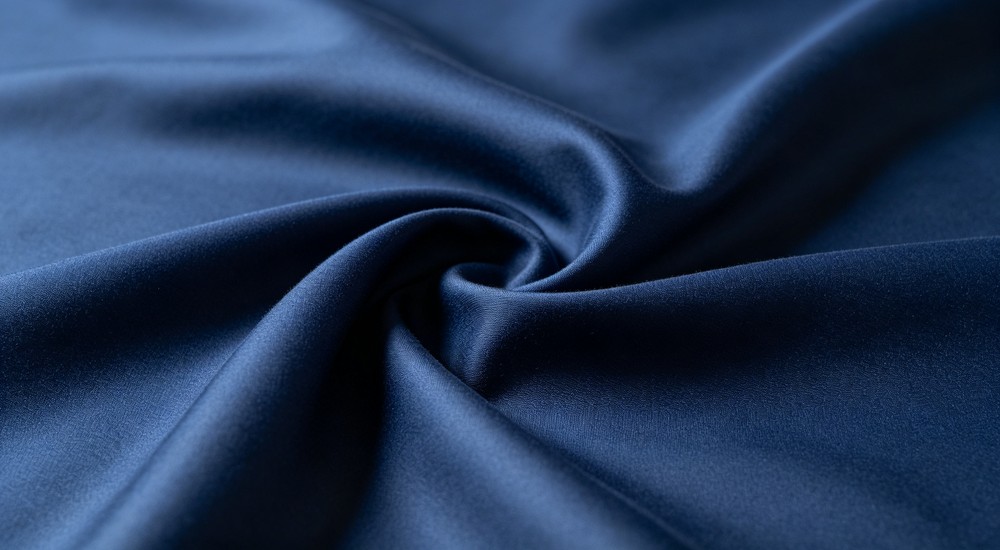
Frequent buyer question: what is polycotton bedding and is polycotton good for bedding? Polycotton is a cotton-polyester blend designed to combine cotton's comfort with polyester's durability.
When debating polycotton vs cotton bedding, compare polycotton when a project wants reasonable skin feel together with frequent washing, faster drying, and lower replacement cost. This is the most common starting point for polycotton bedding in polycotton bedding wholesale orders for emergency shelter bedding, school evacuation centres and evacuation center facilities and emergency response facilities, and high-turnover dormitories.
The exact blend ratio matters. A 50/50 polycotton leans toward cotton feel, while an 80/20 blend leans toward polyester durability and faster drying. Request the exact polycotton blend ratio from every supplier—similar names can cover significantly different fabrics. A 50/50 blend and an 80/20 blend are both called polycotton but perform significantly differently.
Easy care polycotton bedding also reduces the number of spare sets needed compared to pure cotton, because items dry faster and return to circulation sooner. Do not choose polycotton if residents have severe polyester allergies, or if the project requires 100% natural fibre certification. This can offset the slightly higher material cost in high-turnover operations. For wholesale bedding buyers supplying multiple dormitory bedding sites, polycotton's consistency also simplifies staff training—one material behaves predictably across all locations.
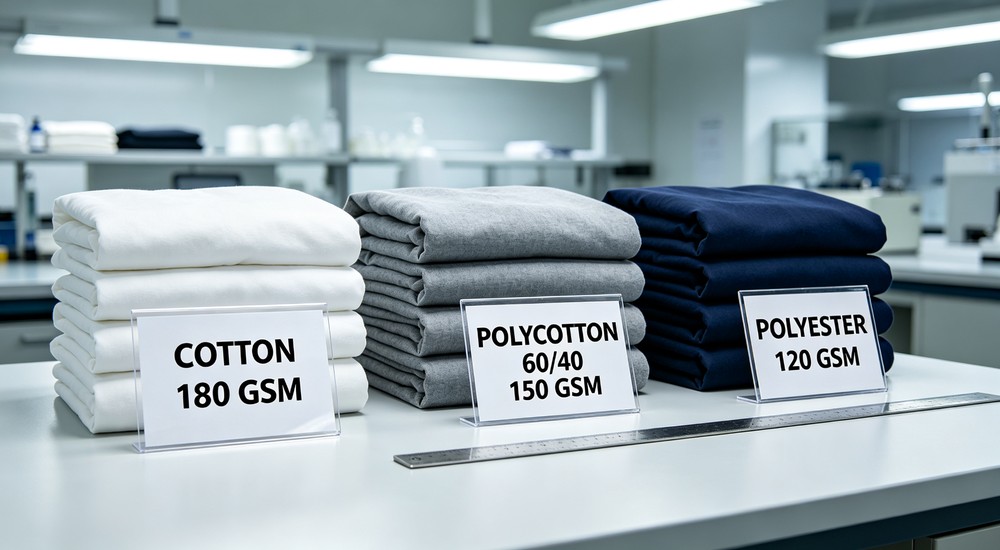
For bedding for emergency shelters where rapid deployment matters, polyester is often the starting point.
Compare polyester first in humid settings, where quicker drying matters, spare sets are limited, or maximum durability is the priority. Polyester resists mildew, holds shape after repeated washes, and dries significantly faster than cotton.
In tropical or monsoon climates where humidity exceeds 70% and drying facilities are basic, polyester or high-polyester blends may be the only practical choice. The material that stays damp can develop odour or mildew, which creates hygiene problems in shared accommodation.
Polyester is also suitable for short-stay emergency shelter response and polyester bedding for dormitory use where rapid setup and easy maintenance outweigh premium skin feel. Many buyers ask: does polyester bedding breathe? The answer depends on weave density—open weaves breathe reasonably, while dense microfibre weaves may trap heat. Pair polyester sheets with cotton or polycotton pillowcases if skin comfort is a concern—component-level selection is covered below. Do not choose polyester for long-stay facilities where residents spend 12+ hours daily in bed, or in hot climates without air conditioning.

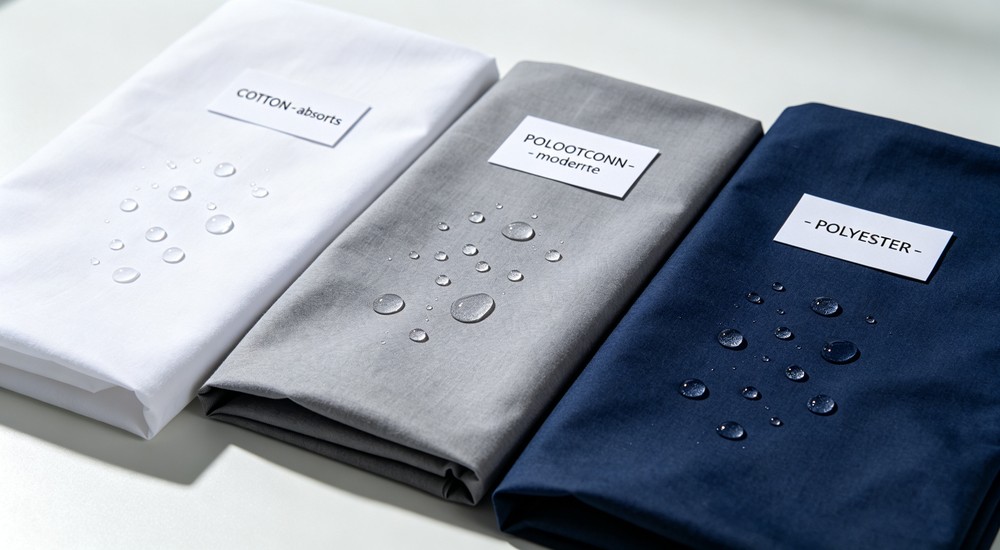
A fibre name gives only an initial direction. The actual fabric weight, weave, and finish change how the material feels and performs. A heavy combed cotton percale with ring spun yarns may feel crisp and cooler than a lightweight, smooth cotton sateen, merely as a cotton bedding set with a 200 thread count may differ significantly from a 300 thread count version, merely as a microfibre polyester may feel softer than a coarse polyester plain weave.
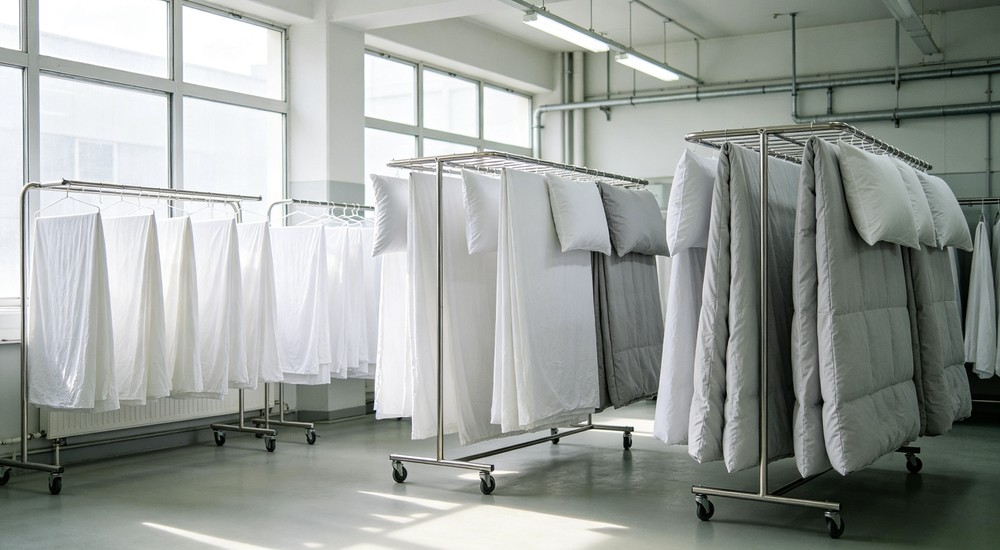
Moisture handling differs significantly. Cotton absorbs moisture into the fibre, which feels comfortable but takes time to release through drying. Polyester wicks moisture away but does not absorb it, so it may feel clammy in still air. Look for breathable polyester bedding with moisture wicking finishes if polyester is required in warm settings. Check the care label for water temperature and drying instructions, and verify whether the fabric is a hypoallergenic bedding material if residents have sensitive skin. Polycotton sits between these two behaviours.
Drying time directly changes project configuration. Buyers often ask how long does polycotton take to dry. In practical tests, cotton vs polycotton drying time shows polycotton drying 20-30% faster. Bedding that does not dry within the planned period reduces the number of sets available for reuse. If cotton takes twice as long to dry as polyester, you may need twice as many cotton sets to maintain the same turnover—or accept longer intervals between changes. For dormitory bedding with weekly changes, this may be acceptable. For shelter bedding with daily changes, the extra sets and drying space become significant cost factors.
|
Condition |
Cotton |
Polycotton |
Polyester |
|
Warm, dry climate |
Excellent |
Good |
Acceptable |
|
Humid tropical |
Slow drying risk |
Practical |
Best |
|
Cold winter |
Good warmth |
Good |
Can feel cold |
|
Limited drying space |
Problematic |
Manageable |
Best |
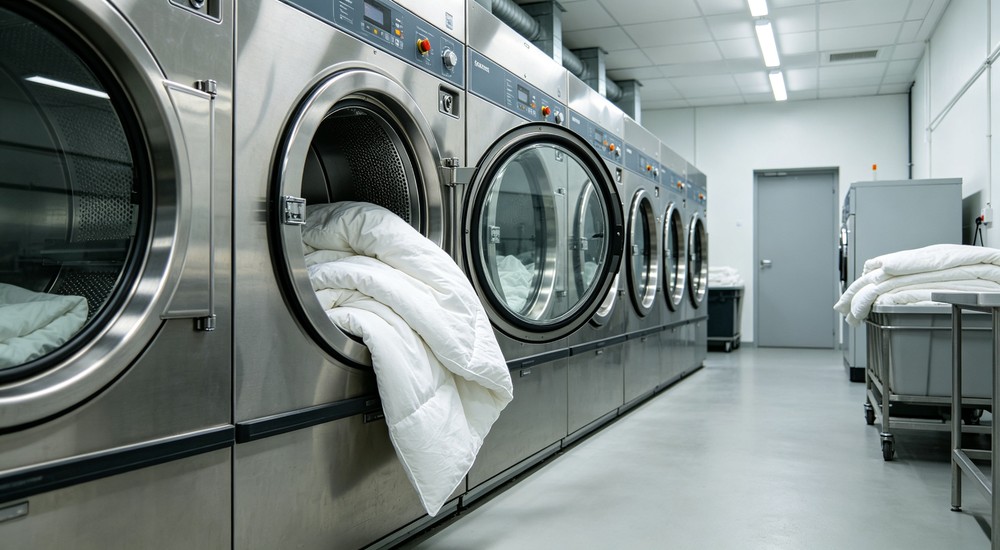
Short one-time accommodation, recurring shelter use, and long institutional stays create different care cycles. High-frequency washing—daily or every other day—favours polycotton or polyester because these materials withstand more cycles and return to service faster.
All three materials must be checked after care, not before first use. Sheets must retain coverage, fitted sheets must still match mattress depth, and duvet covers and pillowcases must keep their closures and dimensions. A material that performs well on day one may fail after ten wash cycles.
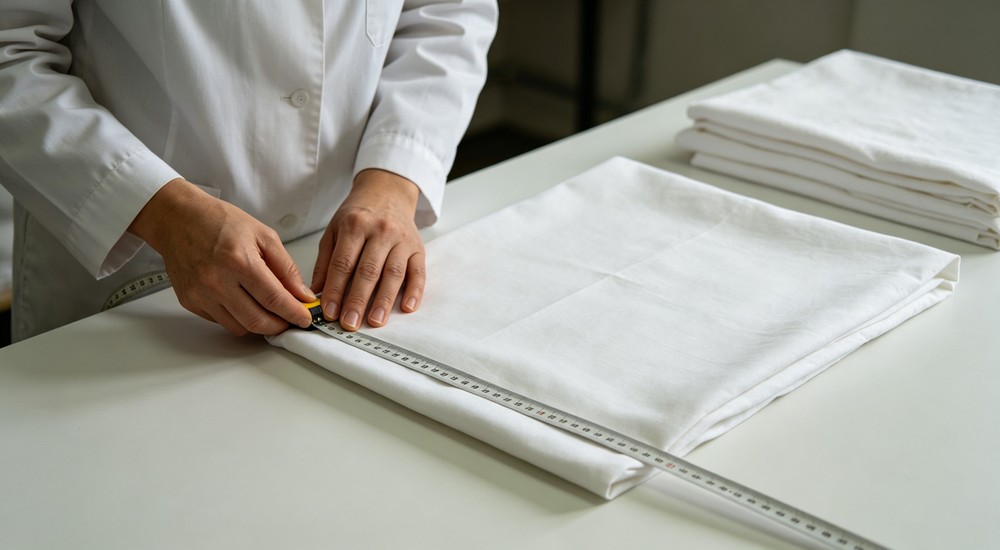
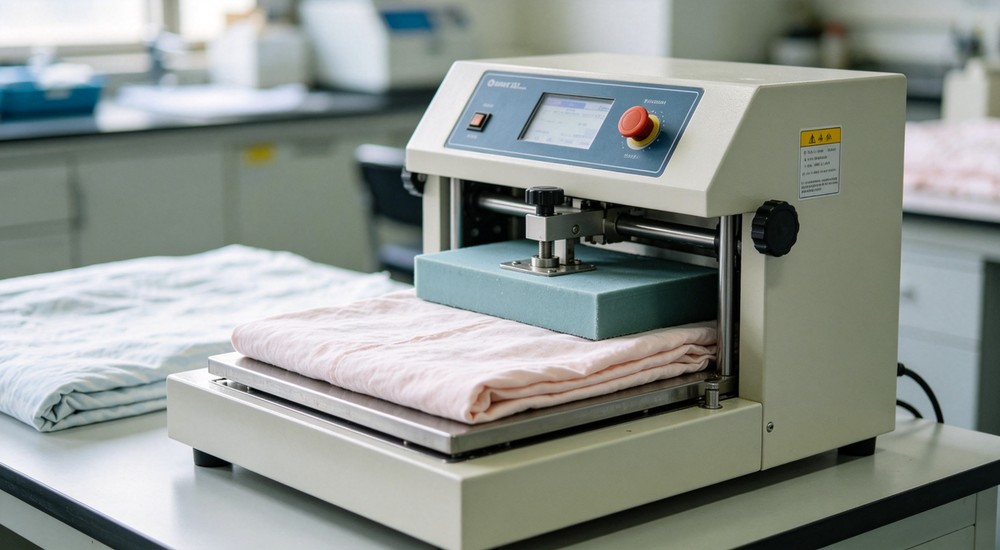
Use the project's actual wash temperature, detergent, and drying method when testing samples. Laboratory results do not replace real-world testing in your facility. Record post-care dimensions after at least five washes, not only the first one. See our complete bedding care guide for wash temperature and detergent recommendations by material. Also check pilling, colourfastness, and elastic retention on fitted sheets. A flat sheet may still measure correctly after five washes but develop pills that reduce comfort, while a fitted sheet may lose elastic tension even if the fabric itself is stable.
Common Mistake: Assuming a material passes because it survived one wash. Cotton shrinkage and polyester pilling often appear after multiple cycles. Test at least five washes before confirming a bulk order.
|
Temperature |
Cotton |
Polycotton |
Polyester |
|
40°C (cold/warm) |
Minimal shrinkage, preserves colour |
Best all-round setting |
Recommended, preserves elasticity |
|
60°C (hot) |
3-5% shrinkage, some fading |
1-2% shrinkage, acceptable |
May damage elastic, avoid |
|
90°C (boil) |
Maximum shrinkage (5-8%), severe fading |
Not recommended, damage risk |
Fabric deformation, avoid |
For emergency shelters where hygiene is critical, 60°C is the minimum recommended wash temperature. Tumble dry on low heat or line dry where possible—high heat damages polyester elastic to kill bacteria and dust mites. Polycotton 60/40 withstands 60°C better than pure cotton, making it the practical choice for high-hygiene facilities. Avoid 90°C for all materials—it causes irreversible damage and shortens fabric life by 30-50%.
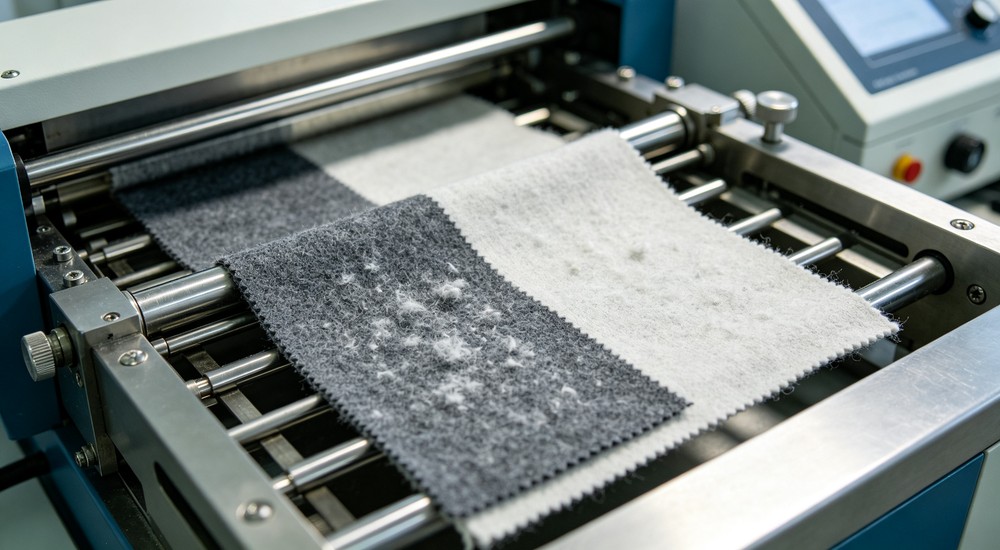
Yes—sheets, duvet covers, and pillowcases can use different materials when the project has a clear reason and clear component records. This is common in dormitory bedding where skin contact varies by component.
For flat sheet selection, check skin feel, moisture handling, coverage, and post-care dimensions. For fitted sheet selection, add pocket depth retention and elastic durability to the checklist. Sheets have the most direct contact with sleeping surfaces, so material choice here affects comfort most immediately.
For duvet covers and comforter covers, durability and closure reliability matter more than direct skin feel. Polycotton or polyester often works well for duvet covers, even when sheets are cotton.
For pillowcases, skin feel is important because faces rest directly on the fabric for 6-8 hours nightly. Cotton or high-cotton polycotton is usually preferred here, even in projects that use polyester sheets. A 50/50 blend pillowcase costs only slightly more than polyester but significantly reduces face irritation complaints.
|
Component |
Recommended Material |
Key Check |
|
Flat sheet |
Cotton or polycotton |
Coverage after wash, skin feel |
|
Fitted sheet |
Polycotton or polyester |
Pocket depth, elastic retention |
|
Duvet cover |
Polycotton or polyester |
Closure durability, shrinkage |
|
Pillowcase |
Cotton or high-cotton blend |
Skin feel, edge finish |
Real-world mixed-material example: A 200-bed emergency shelter might use polycotton 60/40 for all sheets and fitted sheets (high turnover, fast drying), cotton-rich 60/40 for pillowcases (face contact), and polyester for duvet covers (durability, infrequent washing). This mixed configuration costs 10-15% more than all-polyester but reduces resident complaints by an estimated 30-40% compared to all-polyester.
Three more configuration examples:
(1) A school gymnasium or evacuation centre shelter for 500 people, 3-week duration, on-site laundry—use 60/40 polycotton for all components, 2.5 sets per bed.
(2) A refugee camp for 2000 people, 6-month duration, outdoor sun drying—use 80/20 polycotton for sheets, 50/50 for pillowcases, 3 sets per bed.
(3) A university dormitory or student housing for 800 students, 9-month duration, commercial laundry—ideal for dormitory bedding bulk orders—use 50/50 polycotton or cotton for pillowcases, 60/40 for sheets, 1.5 sets per bed.
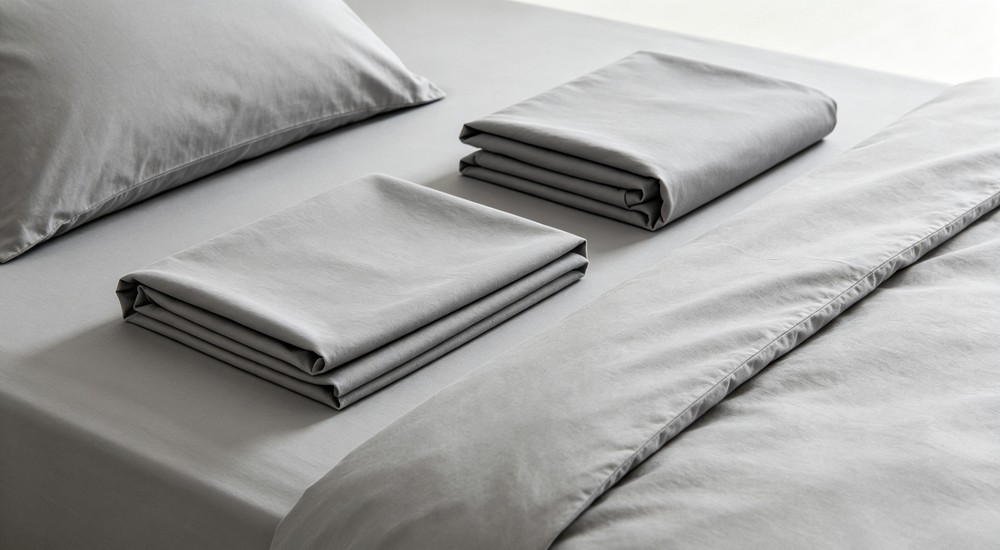
Colour choice affects both aesthetics and practicality in high-usage environments. White and light colours show stains immediately but allow easy bleach cleaning. Dark colours hide dirt but fade faster and may transfer dye to other laundry. Mid-tone colours (navy, grey, olive) offer the best balance for shelter use. For high-stain environments, consider stain-resistant finishes on polycotton.
|
Colour |
Stain Visibility |
Fade Resistance |
Best For |
|
White |
High (shows everything) |
Can be bleached |
Medical/recovery facilities |
|
Navy blue |
Low |
Good |
General shelter use |
|
Grey |
Medium |
Excellent |
Dormitories, long-stay |
|
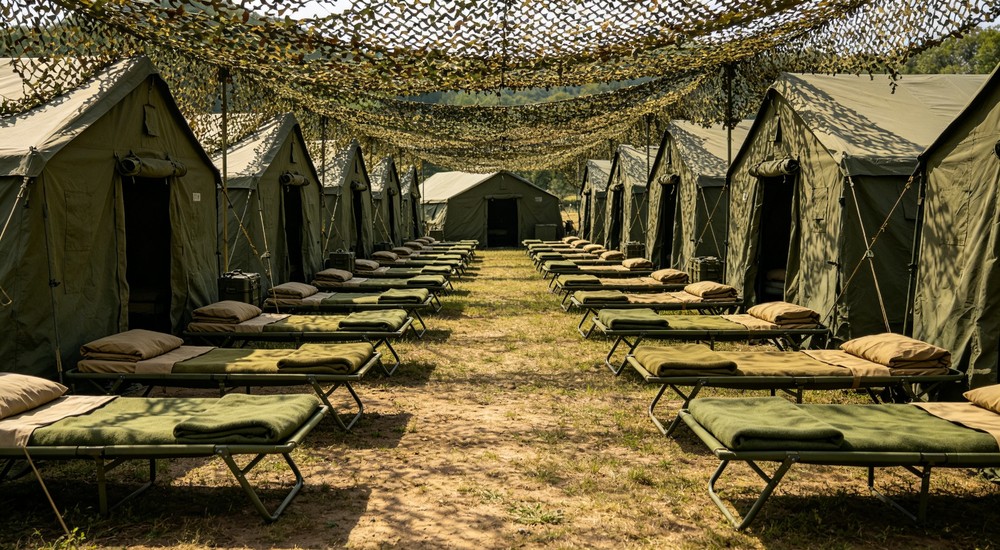
Olive green |
Low |
Good |
Military, outdoor camps |
|
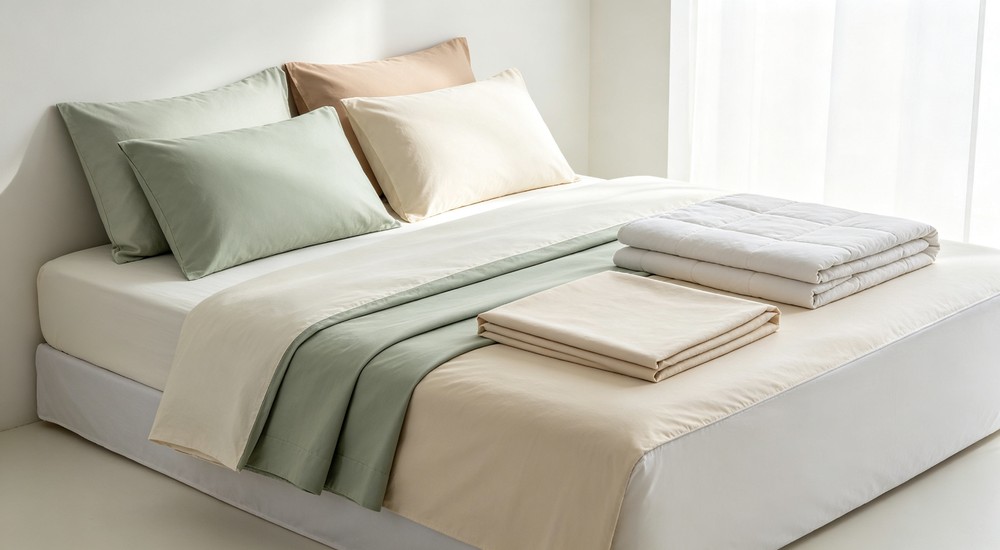
Beige/cream |
Medium |
Moderate |
Family shelters |
Avoid bright colours (orange, bright red) for bedding—they fade quickly and may clash with facility branding. Patterned fabrics hide stains better than solids but cost 15-25% more and may not be available in all material types.
Temporary housing bedding or short accommodation often prioritizes rapid setup, washing turnover, and straightforward maintenance. These settings usually start with polycotton or durable bedding for high turnover because ease of care outweighs premium comfort.
Longer stays give residents more time in bed and may justify cotton's better skin feel. However, longer stays also mean more total wash cycles, so durability remains important even when comfort leads.
Humid settings first need practical drying-time and moisture-management review, which often raises polyester or high-polyester blends. Cold settings may prefer cotton for warmth, but drying time in winter can be a constraint if facilities are limited.
Always match material choice to the actual climate and stay duration of your project, not to a generic recommendation. A material that works for a European winter shelter may fail in a tropical monsoon evacuation centre. Similarly, a wholesale bedding configuration for a gymnasium shelter may not transfer to a school dormitory with different ventilation and drying facilities. Always test in the actual environment, not merely a representative one.
Seasonal adjustments can change material choice within the same facility. In summer, cotton or high-cotton blends improve breathability in warm conditions. In winter, polyester or polycotton may feel warmer and dry faster in cold, damp laundry rooms. Some projects stock different materials by season—cotton for summer, polycotton for winter—while others use polycotton year-round to simplify inventory.

Make the components, finished dimensions, fabric direction, and care conditions comparable when testing all three materials. Testing a cotton sheet against a polyester duvet cover tells you nothing useful—test the same component in all three materials. Use identical wash cycles, drying times, and number of uses. Record not whether the material "works" but specifically how it fails—shrinkage, pilling, colour loss, or elastic failure.
Finding the best material for bed sheets starts with cotton when skin feel and absorption lead and adequate drying is available. Start with polycotton for the balance case. Start with polyester when drying speed or durability leads. The best bedding material for emergency shelter use is rarely the most expensive—it is the one that survives your actual care cycle while meeting minimum comfort standards. Then verify each starting choice with actual samples rather than stopping at the initial direction. Five common material-selection mistakes:
Material selection checklist:
Material decision tree:
Start with one question: Is drying capacity adequate for your turnover?
If no → polyester or 80/20 polycotton. If yes → second question: Is average stay longer than 7 days?
If yes → cotton or 50/50 polycotton. If no → 60/40 polycotton. Third question: Are there skin sensitivity or comfort complaints?
If yes → increase cotton ratio for pillowcases and duvet covers. If no → keep the current blend. This three-question tree narrows the choice before you request samples.
Quick material calculator: Multiply your daily bed turnover by the average drying time in hours. If the result exceeds your available drying capacity in bed-hours, you need either faster-drying material (polyester or 80/20 polycotton) or more spare sets. Example: 100 beds, daily turnover, 8-hour cotton drying = 800 bed-hours needed. If your drying capacity is 500 bed-hours, switch to polycotton (5-hour drying = 500 bed-hours) or add 60% more cotton sets.
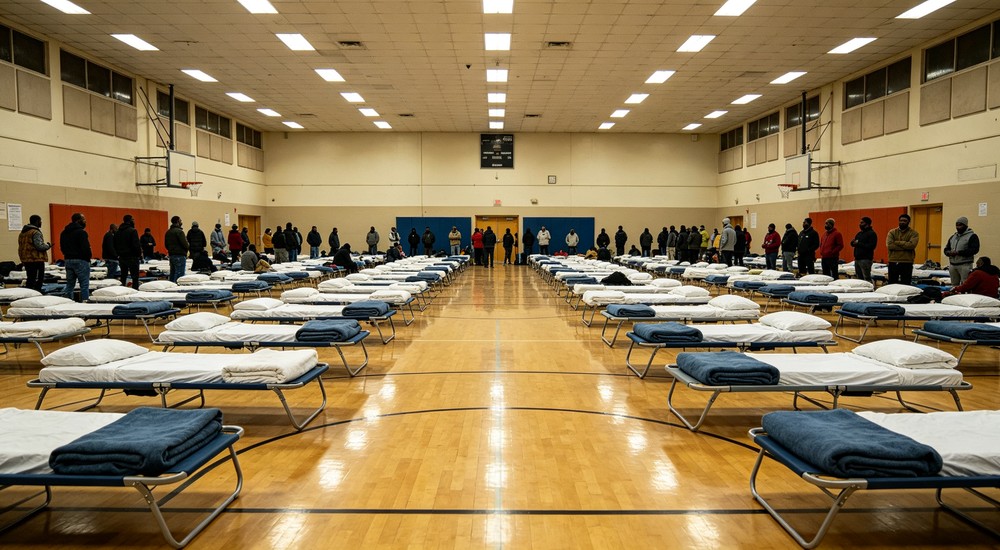
When evaluating wholesale cotton bedding suppliers, require every quotation to state fibre content, component, finished dimensions, fabric or construction direction, colourfastness, and care instructions. Commercial bedding material specifications should also include fire retardancy if required by local regulations. Similar material names—especially wholesale polycotton sheets and bulk polycotton sheets—can hide significantly different blend ratios and fabric weights.
List accommodation period, environment, washing frequency, drying conditions, and bedding components in your final selection schedule. For each component, record the chosen material, why it was chosen, and what sample test confirmed it. This record helps when reordering or when conditions change. For bulk bedding contracts spanning multiple delivery phases, the schedule becomes the reference document that ensures every phase uses the same verified material specification.
The supplier should return actual fibre content, finished dimensions, construction direction, colourfastness rating, care method, and sample identification. Do not accept a quotation that lists only "polycotton" without the ratio. Also require fabric weight in grams per square metre (GSM), weave type (percale, sateen, or plain), and whether the fabric is pre-shrunk or sanforized. Two suppliers offering "60/40 polycotton" may deliver significantly different fabrics if the weave weight and finish differ.
Link your material decision to related bedding choices: use our complete bedding size chart to match material dimensions to mattress depth, our temporary accommodation bedding configuration guide to see how materials fit into full set design, our emergency bedding set guide for crisis response configurations, our flat sheet vs fitted sheet guide for format selection, our bedding material comparison for fibre-level technical data, and our bedding care and laundry guide to optimize wash cycles for your chosen material.
Cost comparison extends beyond unit price. Cotton typically has the highest material cost but may require more spare sets due to slower drying, plus ironing to maintain appearance. Polyester has the lowest material cost and fewest spare sets but may need more frequent replacement if pilling occurs. Polycotton sits in the middle on both dimensions.
Calculate total ownership cost (TCO) and budget over 12 months—material cost plus spare set count plus replacement rate—rather than comparing per-unit prices alone.
|
Cost Factor |
Cotton |
Polycotton |
Polyester |
|
Unit price (per set) |
Highest |
Medium |
Lowest |
|
Spare sets needed |
2-3x |
1.5-2x |
1-1.5x |
|
Replacement cycle |
6-12 months |
12-18 months |
18-24 months |
|
Labour cost (drying time) |
Highest |
Medium |
Lowest |
|
12-month total cost |
Highest |
Medium |
Lowest |
Supplier quality checks: Beyond quotation comparison, verify the supplier can produce consistent quality across bulk orders. Request pre-production samples (PPS) for approval before mass production, specify acceptable tolerance for dimensions (±2cm is standard), and require colourfastness testing to ISO 105-C06 or equivalent. For cotton, verify the origin and staple length—long-staple cotton produces more durable fabric than short-staple. For polyester, verify the fibre denier and whether it is virgin or recycled.
Not sure which material fits your facility?
Send your wash cycle, drying space, and bed count—we'll recommend the right blend ratio.

Expert Tip: When testing samples, wash them inside-out with your actual commercial detergent at 60°C. This reveals pilling and colourfastness issues that gentle 40°C washes hide. Record measurements before wash 1, after wash 1, and after wash 5—this is where 80% of material failures become visible.
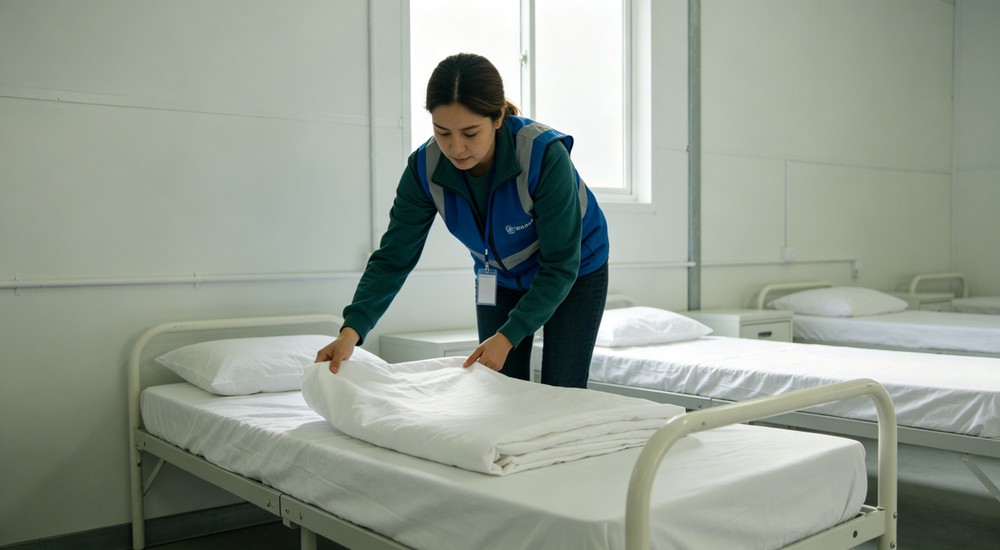
|
Material |
Expected Washes |
First Signs of Wear |
Replacement Trigger |
|
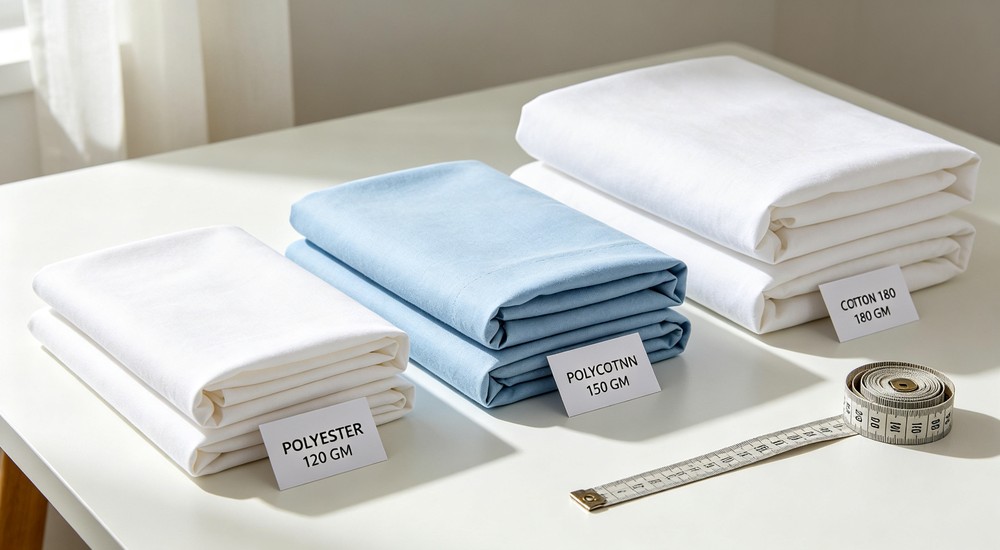
Cotton (180 GSM) |
50-80 washes |
Pilling at 30 washes, thinning at 50 |
Tears or >10% shrinkage |
|
Polycotton 60/40 (150 GSM) |
80-120 washes |
Colour fade at 60 washes |
Elastic failure or thin spots |
|
Polyester (120 GSM) |
120-180 washes |
Pilling at 80 washes |
Tears or permanent wrinkles |
These estimates assume commercial laundry at 60°C with standard detergent. Actual lifespan varies by wash frequency, water hardness, detergent type, and fabric softener use (fabric softener coats fibres and reduces absorbency over time). Track replacement dates per batch to identify which material delivers the lowest cost-per-wash for your specific operation.
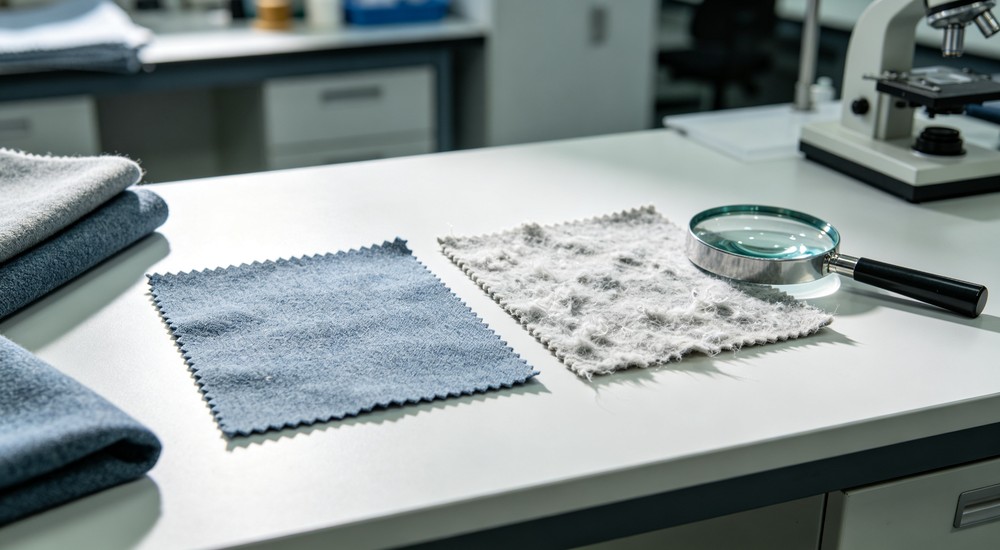
|
Budget Tier |
Recommended Material |
GSM |
Best For |
12-Month Cost |
|
Economy |
Polyester 100% |
100-120 |
Short-term crisis response, high turnover |
Lowest |
|
Standard |
Polycotton 60/40 |
140-160 |
Most shelters, dormitories, evacuation centres |
Medium |
| Premium | Cotton-rich 50/50 or 100% cotton | 160-200 | Long-stay facilities, recovery centres, donor-funded projects | Highest |
Most humanitarian organizations select the Standard tier (polycotton 60/40) because it balances cost, comfort, and durability. Economy polyester works for initial emergency response where budgets are tight and stay duration is under 30 days. Premium cotton is justified for longer-stay facilities where resident comfort is a program requirement.
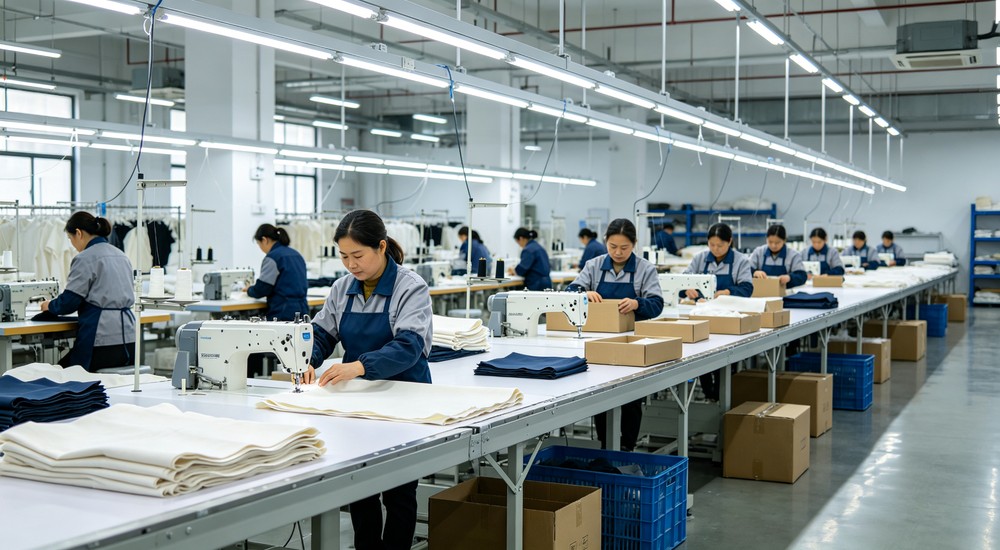
Record sets per wash, extraction conditions, available drying space, and allowed turnover time. These numbers determine whether cotton's slower drying is acceptable or whether polyester's faster turnover is necessary. Care capacity is a material decision, not merely a logistics detail.
Longer projects may replace only sheets, duvet covers, or pillowcases at different rates. If sheets wear out first, you may replenish sheets in a more durable material while keeping cotton pillowcases. Maintain per-component documentation so reorders stay consistent.
Three conditional selection examples:
(1) Longer stay with skin feel leading and adequate drying—test cotton and verify post-wash dimensions.
(2) High-turnover shelter with limited drying—test polycotton and verify drying time.
(3) Humid tropical evacuation with minimal facilities—test polyester and verify breathability and skin feel.
Accept a substitute material only after its exact composition, component, dimensions, care method, and sample performance match the original requirements. A material name alone is not enough. Document any substitution in the selection schedule so future reorders remain consistent. This is especially important for bulk bedding orders delivered across multiple phases—if the first phase uses one material and the second phase substitutes another without documentation, staff may notice inconsistent feel and durability across sites.
Sustainability considerations: Modern B2B buyers increasingly factor environmental impact into material choice. Organic cotton uses less synthetic pesticide but may cost 20-30% more. Recycled polyester (rPET) reduces plastic waste and is widely available for bedding. Polycotton blends are harder to recycle than pure fibres because separating the blend requires chemical processing. If sustainability reporting is required for your organisation or funder, document the material choice and its environmental rationale in the selection schedule.
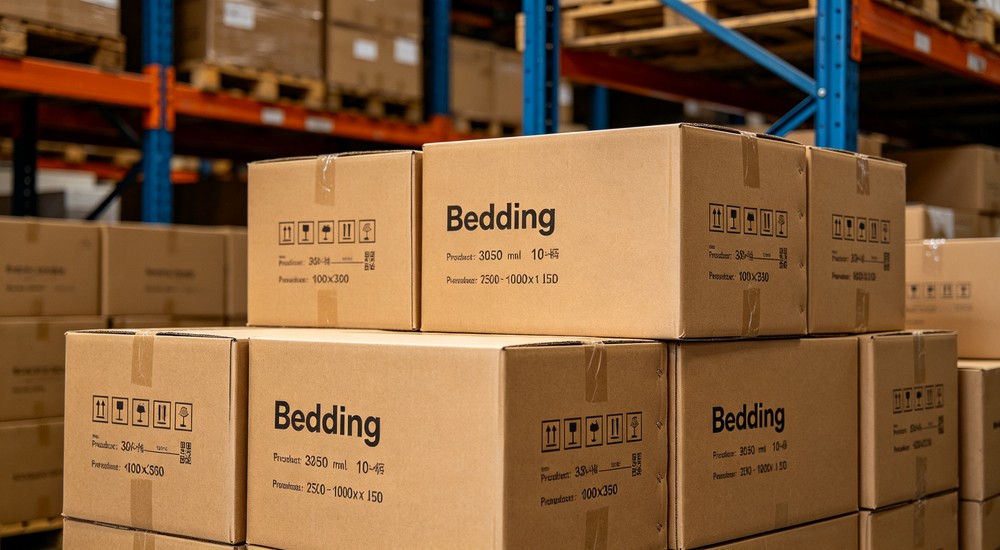
Minimum order quantity (MOQ) for custom-colour bedding typically starts at 500-1000 pieces per component per colour. Standard colours may have lower MOQ (100-300 pieces). Lead time ranges from 4-6 weeks for stock colours to 8-12 weeks for custom colours and custom sizes.
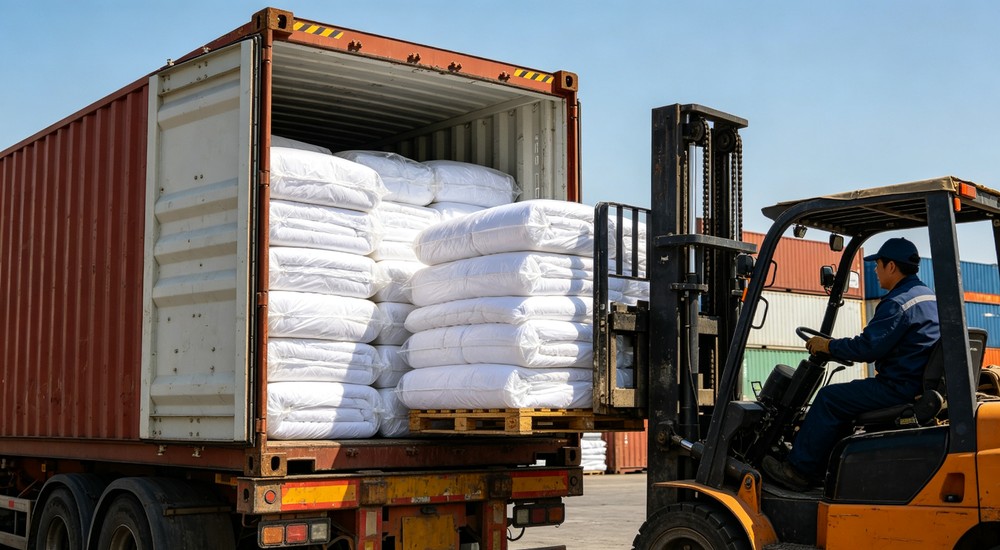
Packaging specification matters for bulk shipments. Request compressed vacuum packaging to reduce container volume by 30-40%. Each carton should state fibre content, blend ratio, GSM, component, size, colour, and quantity. Standard carton weight should not exceed 25kg for manual handling in shelter environments.

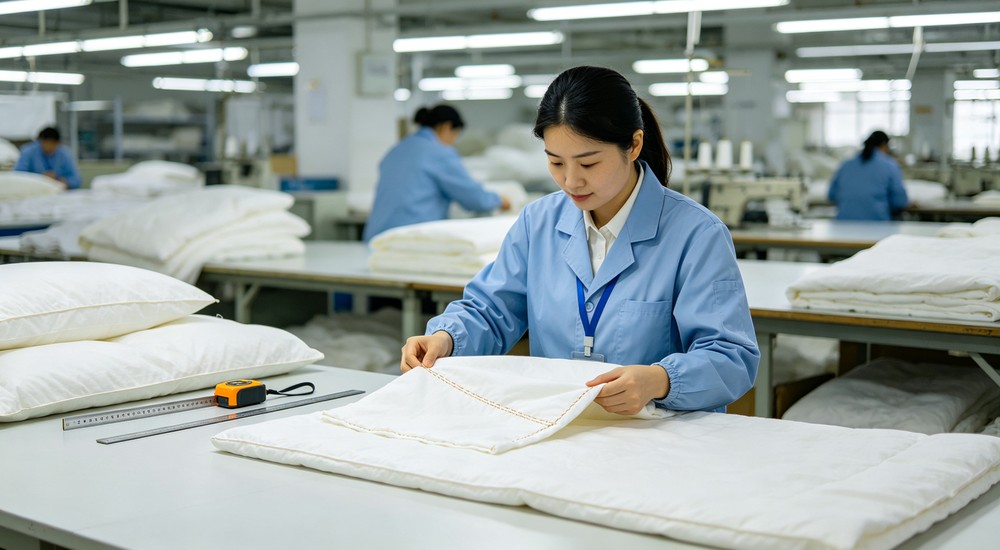
When evaluating a bedding manufacturer and wholesale supplier, or bedding factory, standard B2B bedding payment terms are typically 30% deposit upon order confirmation, 70% balance before shipment (T/T) or against copy of bill of lading. For first-time orders, some suppliers may require 50% deposit. Established relationships may qualify for 30-day or 60-day credit terms (L/C or D/P).
Trade terms determine cost and risk allocation:
Request a detailed bedding quotation that lists bedding price per unit, bedding cost breakdown, and all add-ons. Always confirm whether quoted prices include packaging, labelling, and documentation fees. These hidden costs can add 5-10% to the total order value.

Maintain a safety stock of 10-15% of total bedding quantity for replacements due to damage, loss, or unexpected occupancy surges. For cotton bedding, increase safety stock to 20% because of higher shrinkage and replacement rates. Store bedding in a dry, well-ventilated area; polyester is less susceptible to mildew during storage than cotton.
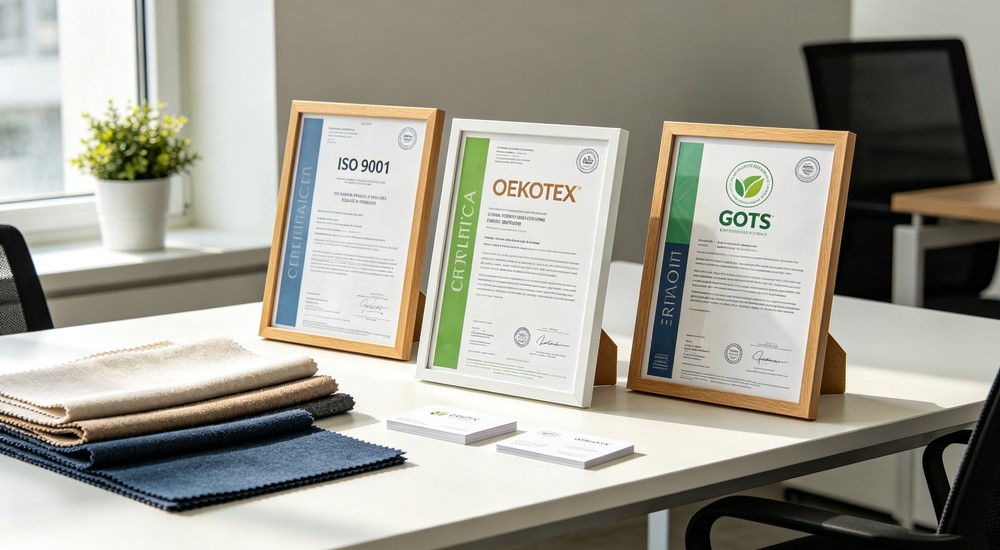
Beyond ISO 105-C06 colourfastness, request OEKO-TEX Standard 100 certification for skin-contact items (pillowcases, sheets) to verify no harmful substances. For organic cotton, require GOTS (Global Organic Textile Standard) certification. For recycled polyester, request GRS (Global Recycled Standard) or rPET content verification. These certifications may add 5-10% to cost but are increasingly required by humanitarian funders and institutional buyers.
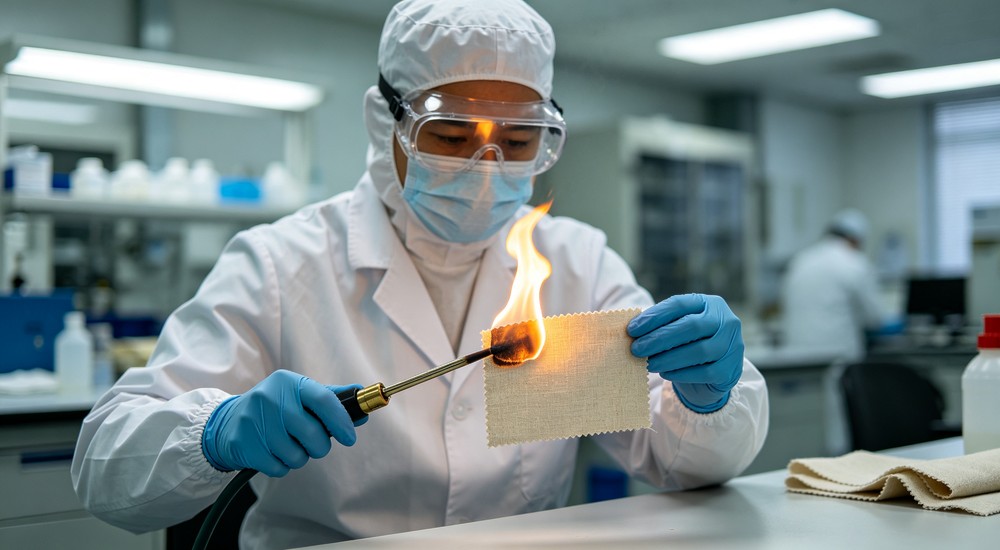
Temporary accommodation facilities—especially gymnasium shelters, dormitories, and refugee camps—are subject to fire safety regulations. Bedding materials may require flame retardant (FR) treatment depending on local building codes. Key standards include BS 5867 (UK), NFPA 701 (USA), and EN 13773 (EU). Always check with the facility manager or local fire authority before specifying material.
Polyester is inherently more flame-resistant than cotton, but untreated polyester can melt and drip, which may cause burns. Natural fibre burns more slowly but can ignite more easily. FR-treated polycotton is the most common solution for regulated facilities. Note that FR treatment may reduce fabric softness and increase cost by 10-15%.
|
Material |
Natural Flame Behaviour |
FR Treatment Needed? |
Common Standard |
|
Cotton |
Burns slowly, no dripping |
Often required |
BS 5867 Type B |
|
Polycotton |
Intermediate |
Sometimes required |
NFPA 701 |
|
Polyester |
Melts and drips |
Check local code |
EN 13773 |

When quality issues arise after delivery, follow this process:
(1) Document the issue with photos and batch numbers from the carton labels.
(2) Contact the supplier within 7 days of receipt with a formal claim including quantity affected and defect description.
(3) Request replacement, discount, or credit note depending on severity.
(4) For defects affecting more than 5% of the order, request a third-party inspection at the supplier's cost.
(5) Update your supplier evaluation record—suppliers with repeated quality issues should be replaced in the next order cycle.
Common post-delivery issues include: dimension shrinkage beyond tolerance, colour fading after first wash, elastic failure on fitted sheets, and stitching defects. Most reputable suppliers will replace defective items if the claim is documented and within the warranty period (typically 30-90 days after delivery).
Disclaimer: Material performance data (shrinkage rates, drying times, lifespan) are industry averages based on standard commercial laundry conditions. Actual results vary by facility, water quality, detergent type, and usage intensity. Always test samples under your actual conditions before confirming bulk orders. Certification references (ISO, OEKO-TEX, GOTS) should be verified with current supplier certificates as certifications may expire. Prices and payment terms are market references and subject to change.
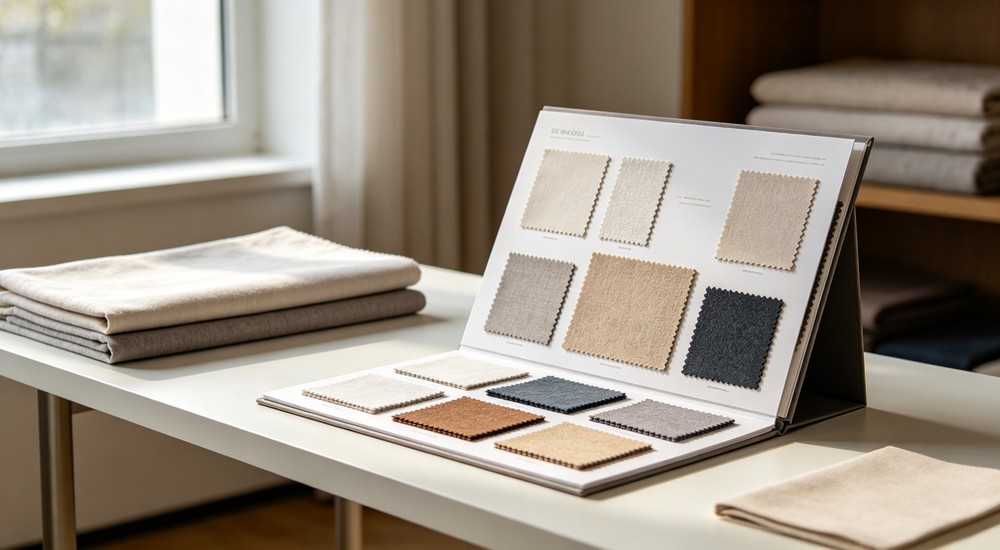
Ready to compare materials for your project?
Request cotton, polycotton, and polyester samples with exact blend ratios and test them under your actual wash conditions.


Understanding these terms helps you compare quotations accurately and avoid specification errors:
|
Term |
Definition |
Typical Range |
|
Bedding MOQ |
Minimum order quantity for standard colours |
500-1000 sets |
|
Bedding lead time |
Production time from deposit to shipment |
25-35 days |
|
Bedding sample |
Pre-production sample for approval |
7-14 days |
|
Custom bedding |
Custom colours, sizes, or embroidery |
MOQ 2000+ |
|
Private label bedding |
Your brand label on factory product |
MOQ 1000+ |
|
Wrinkle-resistant finish |
Chemical treatment reducing wrinkling |
Adds 5-10% cost |
When comparing cotton vs blend fabrics, remember that cotton vs blend differences are primarily about comfort vs durability. The polyester vs cotton blend debate often centres on drying speed: polyester vs cotton blend options dry 30-40% faster than pure cotton.
The natural vs synthetic fibre question comes down to your facility's priorities: natural fibres breathe better, synthetic fibres last longer. For cotton sheets vs polyester sheets, cotton sheets vs polyester sheets durability differs by 30-50% in commercial laundry. Similarly, polycotton vs cotton sheets comparisons show polycotton vs cotton sheets cost difference is typically 15-25%.
Polycotton is usually the most practical choice because it balances skin feel, faster drying, and durability in a single fabric. The 60/40 polycotton blend is the most commonly specified ratio for shelter use. Cotton works when drying capacity is adequate, while polyester suits humid settings with limited spare sets. Always test the actual blend ratio, not only the material name.
100% cotton can shrink 3-5% after the first wash, with additional minor shrinkage in washes 2-5. Pre-shrunk or sanforized cotton reduces this to under 2%. Always test samples with the project's actual wash temperature and drying method before confirming dimensions, and specify a post-wash dimension tolerance in your order.
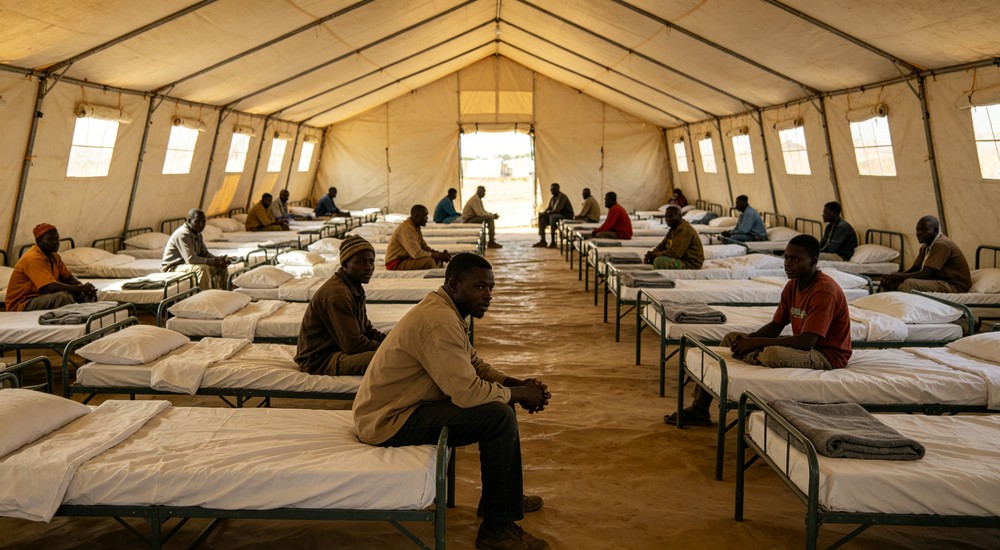
Require every quotation to state exact fibre composition, component, finished dimensions, fabric weight or construction, colourfastness, and care method. Similar names like polycotton can mean different blend ratios, so verify the actual composition before comparing prices.
Can I substitute one material for another after ordering?
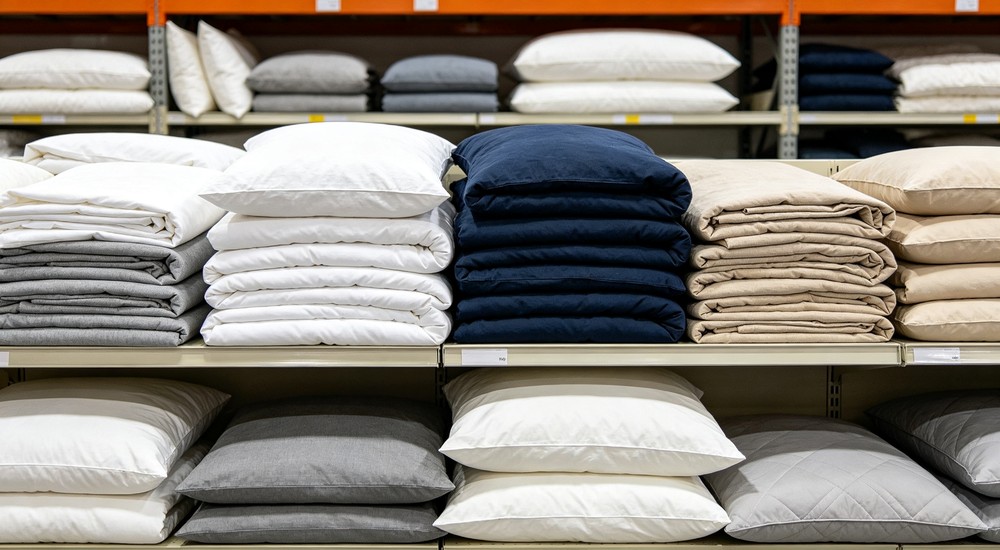
For temporary accommodation, 130-180 GSM is the practical range. Below 130 GSM, fabric may be too thin and tear easily. Above 180 GSM, drying time increases significantly and cost rises without proportional comfort gain. Polycotton 150-160 GSM is the most commonly specified weight for high-turnover shelters.
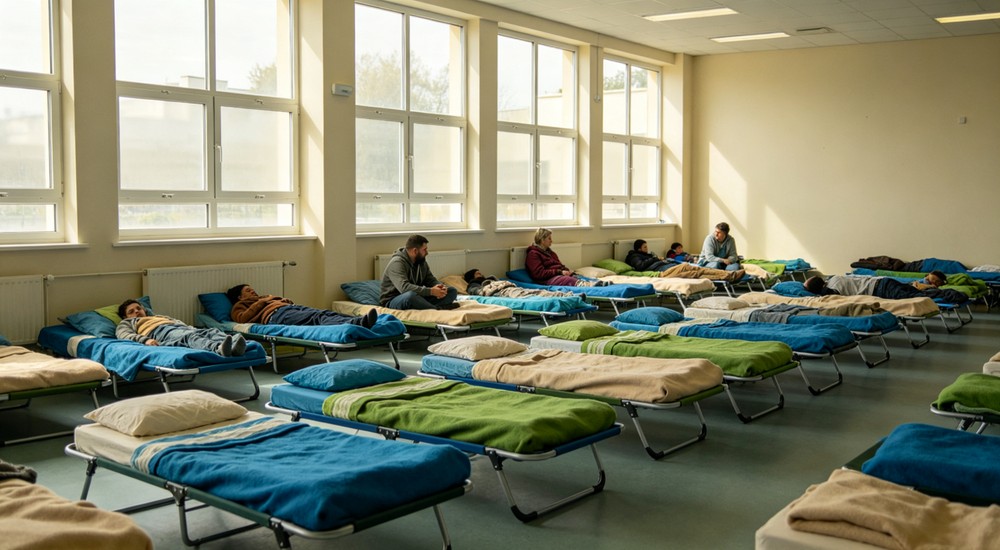
Technically yes, but it creates quality inconsistency and complicates replenishment. If you must split an order, use the same material specification (blend ratio, GSM, weave, colour) from both suppliers and test samples side by side. Document which supplier delivered which batch for future replacement orders.
No. Polycotton can range from 50/50 to 80/20 polyester/cotton. Cotton-rich usually means more than 50% cotton. Always request the exact blend ratio and test the actual sample, because the same name can cover significantly different fabrics.
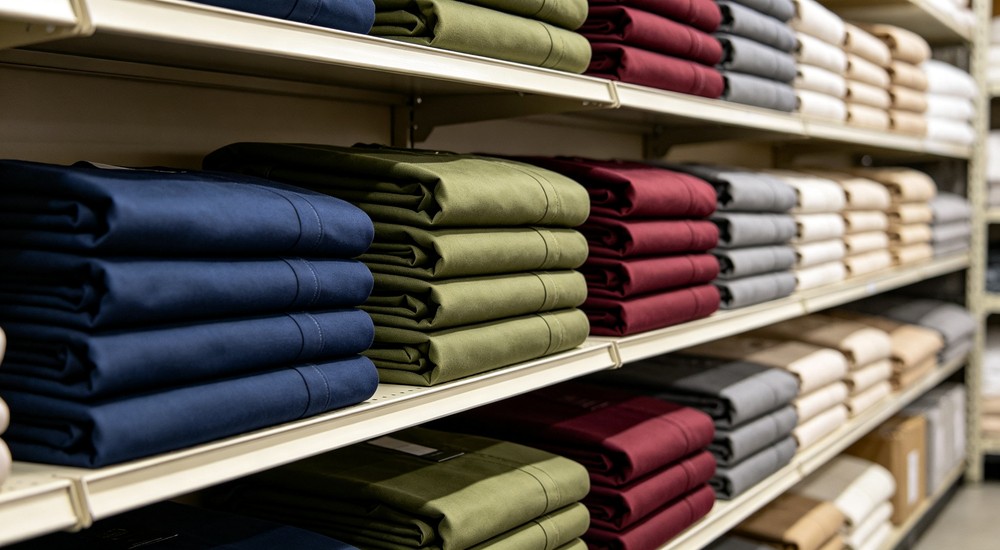
Your next step: Download the material selection checklist, request samples in all three materials with exact blend ratios and GSM, and run a 5-wash test in your facility before committing to a bulk order. The material that survives your actual conditions—not the one with the best marketing—is the right bedding material for your temporary accommodation project. Whether you choose cotton, polycotton, or polyester bedding, test before you commit to bulk orders.
Last updated: September 2025
Related articles:
Freundliche Links :
Urheberrechte © © Custom Disaster - Relief Bedding: Tents, Sleeping Bags, Blankets Alle Rechte vorbehalten
das professionelle Team zum Service !